







































Updated July 16, 2026

Dealer Open Lot Insurance in Boston
Property managers, floorplan lenders, and sellers leasing overflow parking around Dorchester, Roxbury, or the industrial edges near Chelsea often want current proof that your inventory is insured before keys change hands or a storage agreement starts. For your policy, satisfying that request usually means matching the certificate and schedule to how you actually store units here. That might be a primary frontage lot, a back-fence row, indoor overflow, or short-term spaces tied to reconditioning and transport. Local deals move through tight urban parcels, shared access lanes, and off-site parking arrangements more often than a suburban single-lot setup. If a landlord, lender, or auction partner asks for proof, check the named locations, reporting process, and any conditions tied to temporary storage before you hand over a certificate.
Dealer Open Lot Insurance Risk Factors in Boston
Boston's top risk factors include Winter storm damage, Ice dam damage, Frozen pipe bursts, and Snow load collapse.
Massachusetts has a moderate climate risk rating. Top hazards: Nor'easter (Very High), Hurricane (High), Flooding (High), Winter Storm (High). The state's expected annual loss from natural hazards is $1.2B, which influences dealer open lot insurance premiums and may affect coverage availability in high-risk areas.
What Dealer Open Lot Insurance Covers
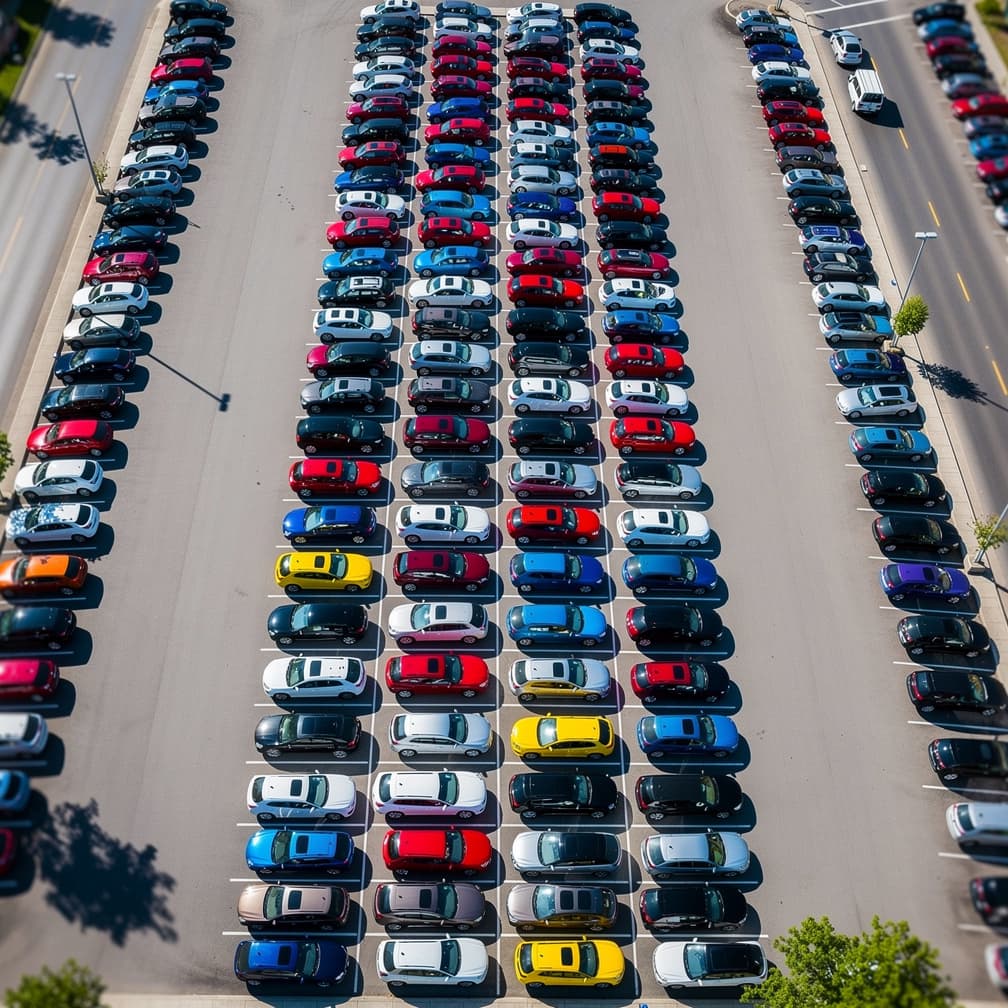
Many dealers keep sale units on a primary lot, shift overflow inventory to a secondary yard, bring vehicles back from auction, or stage units near service before delivery.
For a dealership here, weather exposure deserves a close read because coastal storms, heavy rain, winter ice, and wind can affect outdoor inventory differently from one town to the next. If part of your stock sits on low pavement, near drainage issues, or in an unsecured overflow area, ask how the policy responds to those conditions and what proof of loss the carrier will expect. The same applies if you use temporary storage during snow season or after a busy buying cycle.
You should also review how the policy treats ordinary dealership movement. That may include units being repositioned on the lot, moved between affiliated storage locations, taken to detail, or handled during customer demonstrations. A claim often turns on whether the vehicle was in a covered location, in normal dealership custody, and supported by inventory records that show when it arrived, where it was parked, and who last had the keys.
Your review should focus on key control procedures, camera placement, fencing, lighting, lot layout, and how quickly your team can produce stock numbers, photos, and acquisition records after a loss. Ask for endorsements and exclusions in plain language before you bind coverage, especially if your operation relies on offsite storage or frequent inventory transfers.
Coverage Included

Weather Damage
Covers hail, wind, flood, and storm damage to lot inventory.

Theft Protection
Covers vehicles stolen from your lot.

Fire Damage
Covers fire and explosion damage to inventory vehicles.

Vandalism
Covers intentional damage to vehicles on your lot.
Test Drive Coverage
Covers vehicles during customer and employee test drives.
Transit Coverage
Covers vehicles being moved between lot locations.
What Makes Boston Different
Off-site storage is the Boston issue. The buying decision here is less about a simple front-line display lot and more about whether your inventory spends time in borrowed, leased, stacked, indoor, or overflow space across several nearby addresses. A policy that fits one controlled lot can leave questions once units are parked behind another business, held in a garage while recon finishes, or staged temporarily before transport. Suffolk County has 21,968 business establishments, so your neighbor's fence line, parking agreement, or loading dock is probably closer to your inventory than you think. Expect counterparties to ask for clean proof of coverage before they release space or access. Map every place sale inventory can sit, even briefly, then compare that map against your location schedule, security assumptions, and any notice requirements for newly used premises.
Our Recommendation for Boston
Start with your storage map, not your vehicle count. List the main lot, every overflow address, any indoor holding space, and the places where units wait for detail, body work, transport, or title processing. Then ask whether your dealer open lot form treats each address as scheduled, automatically covered for a limited period, or outside the intended setup unless reported. If you sell into higher-income neighborhoods and want to carry newer or more expensive inventory, remember that Boston median household income is $94,755. That figure tells you a meaningful share of your buyers can qualify for the loan on a $40,000 pickup, not a $20,000 sedan. If your average unit value creeps up, your per-unit limit needs to keep pace even if your lot count stays the same. Keep certificates ready for landlords and lenders, but also confirm who is responsible for gates, lighting, keys, and after-hours access at each site. Those operational details often matter as much as the address itself when you request a quote.
Get Dealer Open Lot Insurance in Boston
Enter your ZIP code to compare dealer open lot insurance rates from carriers in Boston, MA.
Business insurance starting at $25/mo
FAQ
Frequently Asked Questions
Boston dealers usually should review any leased overflow area the same way they review the main lot. When sale inventory sits at a separate address, confirm whether that location must be scheduled, reported within a time window, or supported with separate proof for the landlord.
Boston certificates should match how your inventory is actually stored locally. When units move between a frontage lot, indoor overflow, and a temporary parking area, verify the named insured, listed locations, and any lender or landlord wording before sending proof.
Suffolk County has 21,968 business establishments, so your neighbor's fence line, parking agreement, or loading dock is probably closer to your inventory than you think. That makes accurate location scheduling and clear responsibility for access, fencing, and storage terms worth reviewing before binding coverage.
Boston median household income is $94,755, so a meaningful share of your buyers can qualify for the loan on a $40,000 pickup, not a $20,000 sedan. When your average inventory value rises, check whether your limit still matches the total value parked across all active locations.
List every place sale inventory can be stored, even if a location is used only during overflow periods. That gives the underwriter a clearer picture of your real exposure and can reduce disputes if a loss happens away from the main lot.
Coastal weather can change how you review lot layout, drainage, and inventory concentration. If vehicles are parked where wind or water can affect many units at once, ask the carrier to review those conditions before binding coverage.
The state regulates insurance through the Division of Insurance. That means your applications, endorsements, and renewal changes are subject to review by the agency, so keeping those records organized matters if policy terms or claim handling questions come up later.
You often can insure overflow space, but only if the quote and policy reflect how that location is actually used. Give the address, security details, and typical inventory values before coverage is bound.
Sources
- 1.U.S. Census Bureau, County Business Patterns, Suffolk County(In Suffolk County there are 21,968 business establishments, so commercial parking, mixed-use property arrangements, and third-party site control are common enough that you should expect counterparties to ask for clean proof of coverage before they release space or access.)
- 2.U.S. Census Bureau, ACS 5-Year Estimates, table B19013(Boston median household income is $94,755, so a shift in your average unit value can change how much limit you should review even if your footprint stays the same.)
Updated July 16, 2026





