







































Updated July 16, 2026

Inland Marine Insurance in Boston
A laptop kit disappears from a Back Bay hotel meeting room between setup and teardown, or a camera case sits curbside in Beacon Hill while your crew hunts for legal unloading space. This coverage exists for exactly those situations. Property here changes hands and locations fast, moving through shared buildings, elevators, loading zones, and temporary work areas. If you install AV gear, carry diagnostic equipment to client offices, move tools between renovations, or bring specialty property into events and hospitality spaces, your quote should match that street-level reality. Your schedule, limits, and valuation basis should reflect what actually leaves your shop, where it waits before use, and who signs for it on site. A policy built for a suburban warehouse routine can miss how often your property is in transit, staged, or temporarily unattended during ordinary workdays here.
Inland Marine Insurance Risk Factors in Boston
Local risk is concentration. Property often moves through tight commercial corridors, multi-tenant buildings, and short-duration stops where equipment is unloaded, staged, and carried through common areas before work starts. That creates more moments where a loss can happen between the vehicle, the freight elevator, the job floor, and the return trip. For inland marine, that means your review should focus less on a single address and more on **each transfer point in the workday**. Ask whether your policy language and item schedule fit property that is hand-carried, temporarily set down, or stored at a client site until pickup. If your crews split gear across vans or send high-value items with subcontractors, note that in the application. The more accurately you describe how property is transported, signed out, and supervised, the easier it is to test whether your limits and any deductible still make sense for local operations.
Massachusetts has a moderate climate risk rating. Top hazards: Nor'easter (Very High), Hurricane (High), Flooding (High), Winter Storm (High). The state's expected annual loss from natural hazards is $1.2B, which influences inland marine insurance premiums and may affect coverage availability in high-risk areas.
What Inland Marine Insurance Covers
Inland marine insurance is built for property that does not stay at one fixed address. That includes tools, equipment, materials, and goods in transit between job sites, customer locations, and temporary storage. The policy also commonly responds to contractor's equipment, mobile business property, goods in transit, installation floaters, and builders risk, depending on how it is written. The core idea is that the coverage follows the property while it is away from your main premises. That is especially useful for businesses working across Boston, the North Shore, the South Shore, central Massachusetts, or coastal counties exposed to storm disruption.
Massachusetts does not create a blanket state-mandated form, so the actual protection depends on the policy terms, scheduled property, deductibles, and endorsements you choose. Coverage can vary by industry and business size, and Massachusetts businesses are specifically advised to compare quotes from multiple carriers. A policy may help cover theft, damage, vandalism, and other perils while property is at a job site, in transit, or in temporary storage, subject to the specific terms, deductibles, and exclusions in your policy.
For builders risk and installation floaters, the timing and location of the project matter. For contractor's equipment, the schedule of tools and machinery matters. For temporary storage, the insurer may ask where the property is kept, how often it moves, and whether the location is protected from weather. That is especially important in a state with high risk from Nor'easters, flooding, and winter storms.
Coverage Included
Tools & Equipment
Can help repair or replace hand tools, power tools, and gear that are stolen or damaged on the job or in transit.

Goods in Transit
May cover products, materials, and merchandise while they are being shipped or hauled between locations in your care.
Contractors Equipment
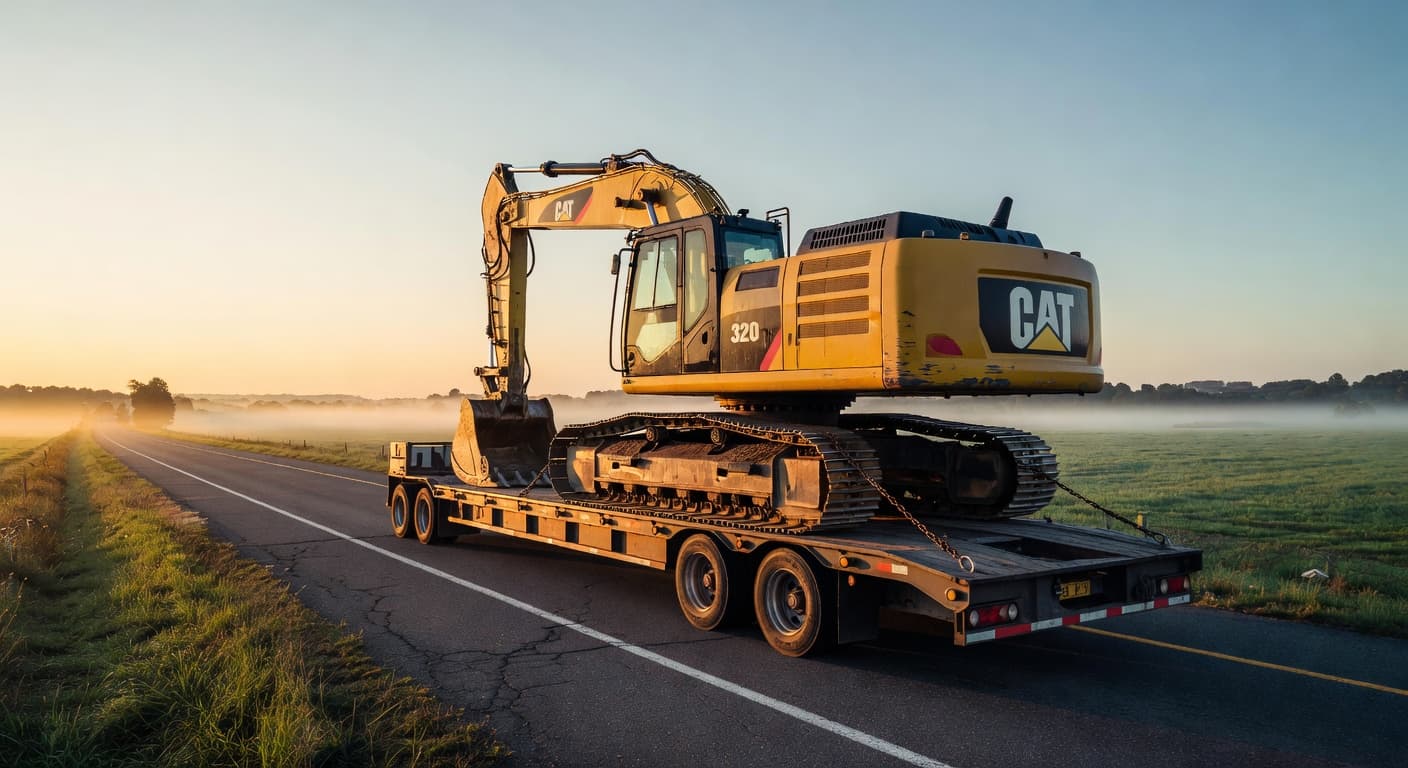
Typically covers heavy machinery like excavators, loaders, and generators against theft or damage at job sites and between them.

Installation Floater
Can help cover materials and fixtures from the moment you buy them until they are installed and accepted at a project.

Builders Risk
May cover a structure under construction, along with materials on site, against damage from fire, wind, theft, and vandalism.
Inland Marine Insurance Cost in Boston
Average Cost in Massachusetts
$25 - $120
per month
Businesses in Massachusetts typically see inland marine insurance premiums of $25 - $120 per month, which tends to run 21% above the national range of $20 - $100 per month.
- Total insured value of the scheduled property
- Type and age of the equipment
- Where it is stored and how far it travels
- Jobsite security and theft prevention
- Per-item limits and deductibles
- Prior theft and in-transit losses
Contact CPK Insurance for a personalized quote.
Prices shown are general estimates, not guaranteed rates or quotes. Your actual premium will depend on the insurer, coverage selected, business details, location, claims history, and other underwriting factors. Learn about our pricing methodology.
The cost of inland marine insurance varies based on the property you insure and how it moves. Pricing is shaped by the state's higher-than-average premium index, which generally signals a more expensive commercial insurance market. Insurers here are also pricing for active weather exposure, dense business activity, and varied job-site risk. The exact cost depends on your coverage limits and deductibles, your claims history, where you operate, your industry, and the specific endorsements you add.
Several Massachusetts-specific conditions can affect pricing. The state has a large base of small businesses, which means carriers are often evaluating smaller accounts with different equipment values and storage habits. The largest employment sector is Healthcare and Social Assistance, but inland marine buyers in Massachusetts often come from contractor, technical services, retail, and service industries that move property regularly. One account may be insuring hand tools and small equipment while another is insuring higher-value contractor equipment or installation materials, and premiums may reflect that difference.
Weather also matters. Massachusetts coastal counties and inland areas face regular exposure to Nor'easters, hurricanes, flooding, and winter storms that can damage staged property and disrupt transit routes. That exposure can affect how carriers underwrite temporary storage, job-site risk, and transit, so a business operating near coastal areas or flood-prone sites may see different pricing than one with limited movement and tightly controlled storage. Because many insurers compete in the market, the best way to understand pricing is to compare multiple carriers with the same schedule of property, limits, and deductible structure.
Industries & Insurance Needs in Boston
Suffolk County has 21,968 business establishments, and its largest establishment shares are professional, scientific, and technical services at 15.8%, accommodation and food services at 12.5%, and other services at 11.6%, so a lot of local work happens in offices, hospitality venues, and service settings where equipment is brought in temporarily rather than kept at your own premises. That changes the inland marine conversation for consultants with field gear, event vendors, repair firms, and specialty service businesses that move property into client-controlled spaces. If that sounds like your operation, ask for a quote built around mobile equipment, installation floaters, or customer property exposures that match your actual workflow. A basic property schedule can be too narrow if your tools, electronics, or materials spend much of the week offsite, in transit, or waiting for access inside another business's building.
What Makes Boston Different
Boston's density is what changes the calculus. In a spread-out market, your property may go from shop to site with fewer handoffs. Here, the same equipment can be parked, unloaded, checked in, moved through security, staged in a hallway, taken up an elevator, used for a few hours, then packed out after dark, all before it returns to your control. Each step adds a practical exposure that should shape how you buy this coverage. Pay close attention to where property sits between active use periods and whether the policy structure matches scheduled items, unscheduled tools, rented equipment, or materials awaiting installation. If your business serves higher-income households, Boston's median household income is $94,755, so the property you bring into homes or condos may be expensive to repair or replace if a jobsite loss delays work or damages specialized items. Rather than defaulting to a minimal blanket amount, take time to check whether your limits can absorb what replacement gear actually costs today.
Our Recommendation for Boston
Walk through a normal week for your property. Track what leaves your location, who transports it, where it is staged, and how long it stays off premises. That exercise usually reveals whether you need itemized scheduling for high-value gear, broader treatment for tools that rotate between crews, or clearer handling of materials before installation. If you work in offices, hotels, restaurants, labs, or occupied residential buildings, ask specifically about temporary storage at client locations and whether your deductible is realistic for the items most likely to be lost. Keep serial numbers, photos, and replacement values current so claims move more cleanly. If your contracts require evidence of coverage, make sure the named insured and business description match how you actually operate. Before renewing, compare your current form against this year's routes, venues, and equipment list.
Get Inland Marine Insurance in Boston
Enter your ZIP code to compare inland marine insurance rates from carriers in Boston, MA.
Business insurance starting at $25/mo
FAQ
Frequently Asked Questions
Boston businesses that carry tools, electronics, or materials into hotels and office buildings often need this coverage reviewed because property is unloaded, staged, and moved through shared spaces before use. A fixed-location policy may not address that off-premises exposure the same way.
Boston contractors and service firms should usually start with the items that leave most often, cost the most to replace, or would stop work if lost. Think diagnostic gear, specialty tools, cameras, laptops, and materials awaiting installation at a client site.
Suffolk County has 21,968 business establishments, so many local companies work inside client-controlled buildings and temporary venues rather than only at their own address. That means your mobile property, transit, and staging exposures deserve a closer look before renewal.
Boston service businesses often use equipment where they do not control the building, loading area, or storage conditions. When property spends much of the week in transit, temporarily stored, or waiting to be installed off premises, a standard property form may leave gaps that this coverage can help fill.
Boston's median household income is $94,755, which points to higher-value homes and contents in some neighborhoods. If you bring specialized tools or customer property into those settings, make sure your limits reflect both the replacement cost and the income you would lose while waiting for gear.
It is designed for property that travels with your business, including tools, equipment, materials, and goods in transit between Massachusetts job sites, customer locations, or temporary storage. The exact coverage depends on the policy, but it can respond to theft, damage, vandalism, and other covered perils away from the fixed business location.
If your property is stored at a job site or temporary location, the policy can be written to follow that property while it is away from your main premises. In Massachusetts, that matters because weather exposure and job-site movement are common, so you should ask how the carrier treats overnight storage, temporary staging, and offsite locations before you bind coverage.
Contractors, electricians, plumbers, landscapers, installers, photographers, caterers, IT service providers, and other businesses that use portable property are strong candidates. Massachusetts businesses that ship goods or hold customer property may also need goods in transit coverage or broader mobile business property insurance.
Sources
- 1.U.S. Census Bureau, County Business Patterns, Suffolk County(Suffolk County has 21,968 business establishments.; Suffolk County's largest establishment shares are professional, scientific, and technical services at 15.8%, accommodation and food services at 12.5%, and other services at 11.6%.)
- 2.U.S. Census Bureau, ACS 5-Year Estimates, table B19013(Boston's median household income is $94,755.)
Updated July 16, 2026





