







































Updated July 16, 2026

On-Hook Towing Insurance in Boston
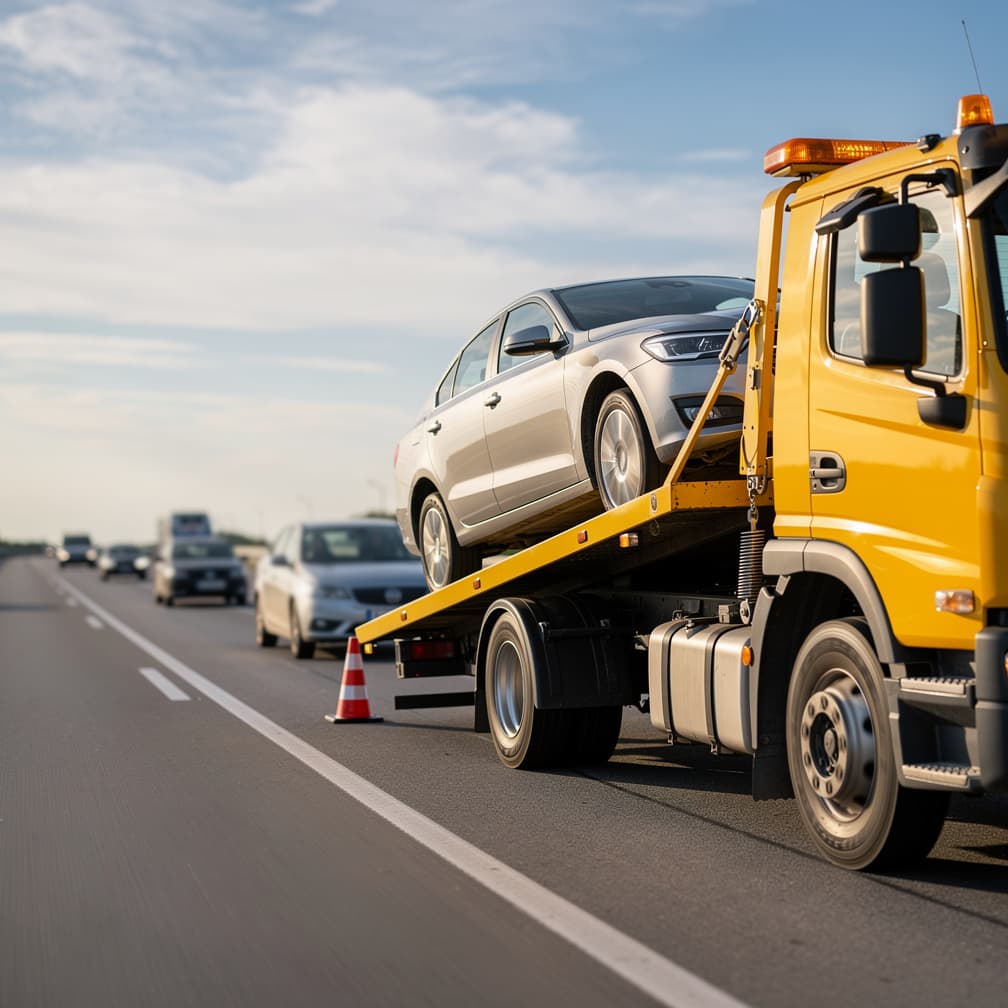
Running a tow truck in Boston means your on-hook risk looks different than it does in the suburbs or out on Route 495. The city's dense job mix means more low-speed handling exposure, tighter pickup conditions, and pricier customer vehicles in your care. A claim here rarely starts with a highway recovery. More often it involves a narrow-street relocation, a wheel-lift hookup in a crowded loading area, or a vehicle transfer inside an older parking structure with limited turning room. Your clients tend to own pricier cars, so they will scrutinize any damage that happens during transport. If your book leans toward apartment complexes, private property impounds, dealership moves, or municipal-style street work, look for a quote shaped around those assignments rather than a generic towing profile.
On-Hook Towing Insurance Risk Factors in Boston
Tight access is the local issue that changes claim handling here. A large share of your work can happen on short urban runs where the damage allegation is not a total loss event, but a scrape, suspension issue, wheel damage, fascia contact, mirror strike, or undercarriage problem discovered after delivery. That matters because older garages, narrow one-way streets, and dense curbside parking leave less room to load cleanly and document condition. The practical fix is operational: show underwriters how your drivers photograph vehicles before hookup, note pre-existing damage, handle low-clearance entries, and **decide when a location is too tight** for a standard approach. If you tow from campuses, medical areas, valet zones, or mixed-use blocks, spell that out. A clearer description of where vehicles are picked up and how they are secured gives an insurer a better basis to review on-hook limits, deductibles, and any restrictions tied to storage, impounds, or specialty units.
Massachusetts has a moderate climate risk rating. Top hazards: Nor'easter (Very High), Hurricane (High), Flooding (High), Winter Storm (High). The state's expected annual loss from natural hazards is $1.2B, which influences on-hook towing insurance premiums and may affect coverage availability in high-risk areas.
What On-Hook Towing Insurance Covers
The practical question is not the basic definition of on-hook coverage. The real issue is where damage allegations tend to arise in your daily work and how your policy language responds to those moments. A tow through dense city blocks, a recovery from a snow-lined shoulder, or a removal from a narrow garage creates different contact points than a straightforward daytime transport from one open lot to another. You should review how the policy treats loading angle, wheel-lift use, bed approach, low-clearance vehicles, modified suspensions, and vehicles with pre-existing body damage that can be blamed on the tow after the fact.
This matters because operators often work in places where a customer is not standing beside the truck when the vehicle is picked up. That makes condition evidence and dispatch notes more important. Ask whether your form is written in a way that fits unattended tows, police-directed removals, dealer handoffs, and after-hours apartment or condominium calls. If your operation handles accident scenes, review whether the same procedures apply when a vehicle already has collision damage and the dispute later centers on what happened during winching, loading, or unloading.
A quote that works for older commuter cars may not fit late-model SUVs, electric vehicles, work vans with equipment inside, or specialty vehicles with low ground clearance. If your drivers switch between flatbeds and wheel-lift units, make sure the application and policy reflect that mix clearly.
Coverage Included
Collision on Hook
Covers damage to towed vehicles from collisions during transport.
Comprehensive on Hook
Covers theft, fire, and weather damage to vehicles being towed.
Loading & Unloading
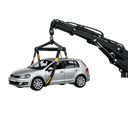
Covers damage during the process of loading and unloading vehicles.
Winching Coverage
Covers damage to vehicles during winching and recovery operations.
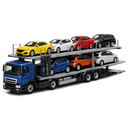
Multiple Vehicle
Covers all vehicles on multi-car carriers and rollback flatbeds.
Industries & Insurance Needs in Boston
Suffolk County has 21,968 business establishments, with professional, scientific, and technical services at 15.8%, accommodation and food services at 12.5%, and other services at 11.6%. That county mix matters for a towing operation because it points to dense commercial districts, employee parking demand, restaurant loading conflicts, service calls, and private property enforcement around offices and hospitality uses. In practice, that can mean more short-notice tows, more after-hours pickups, and more customer vehicles moved from garages, alleys, and managed lots rather than open roadside scenes. If that sounds like your book, your quote request should separate private property towing, commercial account work, and any relocation or impound activity. Underwriters usually need that detail to judge how often your truck has another person's vehicle on the hook in confined commercial settings.
What Makes Boston Different
Where you load and unload matters more than how far you drive. The real questions are which vehicles you accept, where pickups happen, whether you enter garages, and how you document condition before transport. Local buyers should think in terms of claim scenarios, not just policy labels. If your work centers on private property tows, apartment complexes, commercial lots, or downtown relocations, ask how the policy responds while a customer's vehicle is attached, lifted, and moving through confined access points. If your operation also handles higher-value sedans, SUVs, or EVs, review whether your limit is realistic for the vehicles you actually touch on a normal week.
Our Recommendation for Boston
When you request a quote, lead with your dispatch reality. Note the neighborhoods or property types you serve most, your common call types, and whether your trucks enter parking garages or tight service alleys. Include a current unit schedule and describe the vehicles you tow most often, including any luxury models, low-clearance cars, or EVs that change loading technique. If you use wheel-lift, flatbed, dollies, or mixed equipment, say so plainly. Ask how the insurer wants losses documented, because photo routines, driver notes, and signed condition records can matter when a customer alleges damage after delivery. If any part of the wording is unclear, confirm it before binding. For complaint or licensing questions, the Massachusetts Division of Insurance is the state agency to check.
Get On-Hook Towing Insurance in Boston
Enter your ZIP code to compare on-hook towing insurance rates from carriers in Boston, MA.
Business insurance starting at $25/mo
FAQ
Frequently Asked Questions
Because a garage, alley, hospital zone, or dense curb lane creates a different on-hook damage profile than an open roadside recovery. Your quote should describe those assignments clearly so the underwriter can price the real risk.
Boston's vehicle mix tends to carry higher replacement values, which means a single on-hook claim can cost more than your limit allows. Review your usual vehicle mix and ask whether your on-hook limit matches it.
Steady commercial parking, service, and property-management work creates different tow volumes and pickup settings than roadside calls. If you handle those accounts, separate them from roadside work so the insurer can review the exposure accurately.
Apartment lots, restaurant corridors, and office garages create different loading conditions, traffic patterns, and damage allegations. Separating those accounts by pickup setting gives the underwriter a clearer picture of how your on-hook exposure actually arises.
A driver list, truck schedule, equipment details, and sample photos of how you document condition before hookup. That gives the insurer a workable picture of your local handling risk instead of a generic towing description.
Private property towing can still create the same damage dispute as any other tow. If a customer vehicle is alleged to be damaged during loading, transport, or unloading, you should review on-hook coverage based on that exposure, not on how the job was dispatched.
Winter towing can make claims harder because snowbanks, ice, and poor shoulder conditions change loading angles and visibility. You should ask how your documentation process handles those jobs and whether your drivers record pre-existing damage consistently before hookup.
Insurance carriers operate within the state's insurance oversight framework. That matters when you compare policy forms and complaint handling, but your quote still depends on your trucks, services, limits, deductibles, and claims history.
Sources
- 1.U.S. Census Bureau, ACS 5-Year Estimates, table B19013(Boston median household income is $94,755, so you should expect more scrutiny around the value of vehicles you handle and whether your requested limits match that exposure.)
- 2.U.S. Census Bureau, County Business Patterns, Suffolk County(Suffolk County has 21,968 business establishments, with professional, scientific, and technical services at 15.8%, accommodation and food services at 12.5%, and other services at 11.6%.)
- 3.Massachusetts Division of Insurance(The Massachusetts Division of Insurance is the state agency to check)
Updated July 16, 2026





