







































Updated July 10, 2026

Septic Service Insurance in Massachusetts
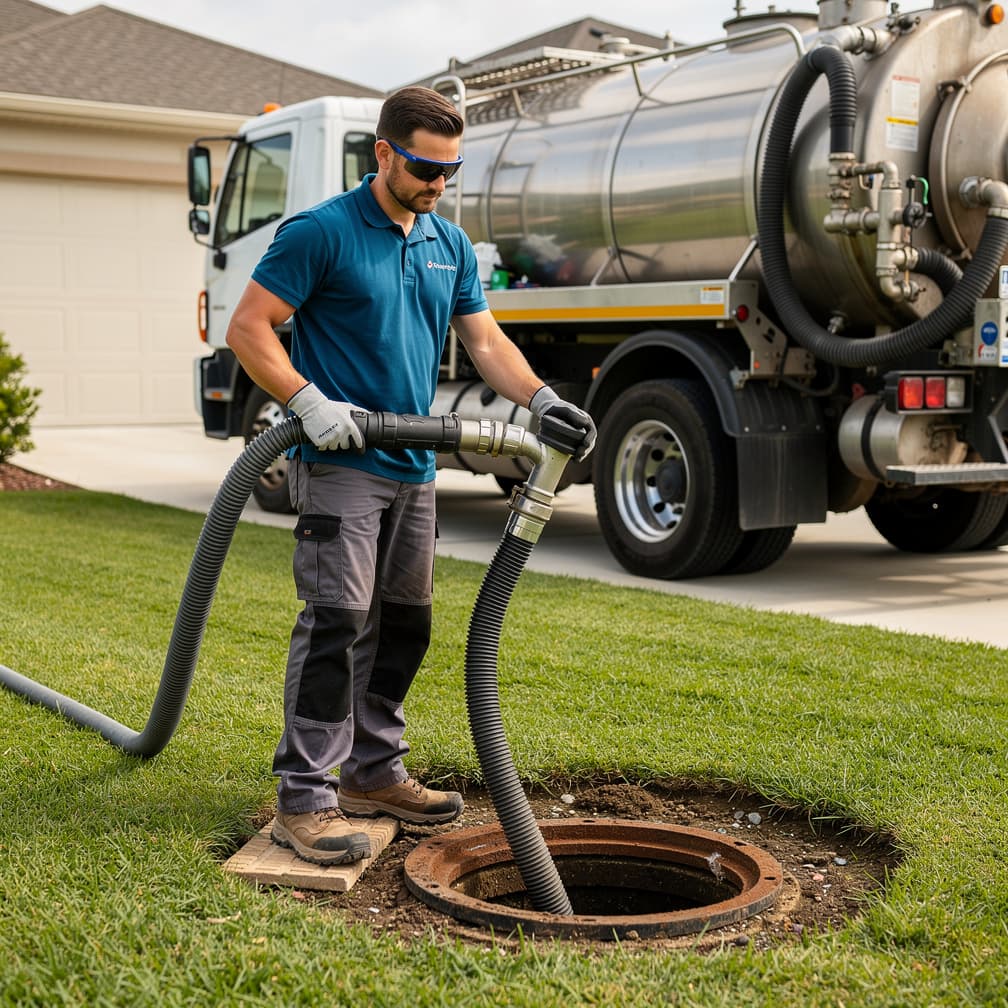
Running septic work in Massachusetts means dealing with tight residential access, changing weather, and service calls that can shift from Boston-area neighborhoods to rural job sites in the same day. A septic service insurance quote in Massachusetts should reflect how your crews actually work: pumping tanks, moving tools, transporting hoses, and installing systems on properties where driveways, walkways, and landscaping are close to the work area. That is why coverage decisions here usually center on bodily injury, property damage, slip and fall, third-party claims, legal defense, and the protection of mobile property and equipment in transit. Massachusetts also has a workers' compensation rule for businesses with 1 or more employees, plus commercial auto minimums that matter if your trucks are on the road every day. If you handle septic pumping, septic installation, or both, the right policy setup should match your service mix, your vehicles, and the way you store and move tools across the state.
Climate Risk Profile
Natural Disaster Risk in Massachusetts
Understanding climate-related risks helps determine appropriate insurance coverage levels.
Nor'easter
Very High
Hurricane
High
Flooding
High
Winter Storm
High
Expected Annual Loss from Natural Hazards
$1.2B
estimated economic loss per year across Massachusetts
Source: FEMA National Risk Index
Risk Factors for Septic Service Businesses in Massachusetts
- Massachusetts Nor'easters can interrupt septic pumping routes and increase the chance of property damage during service calls.
- Hurricane-related wind and rain can create access issues for septic installation sites and raise third-party claims exposure on wet, unstable job locations.
- Flooding in Massachusetts can affect equipment in transit, mobile property, and contractors equipment used for septic service work.
- Winter storm conditions can increase slip and fall risk at customer sites and make vehicle accident losses more likely for crews driving between jobs.
- Customer injury and bodily injury concerns can rise on tight residential lots, especially when hoses, pumps, or tools are staged near driveways and walkways.
- Tools and mobile property are especially exposed in Massachusetts because service work often happens on-site, in changing weather, and across a wide service area.
How Massachusetts compares with the national baseline
Uninsured drivers
6.2% vs 11.6% baseline
About 6.2% of Massachusetts drivers are estimated to be uninsured, below the 11.6% average across states.
Fatal crashes per 100 million miles
0.72 vs 1.33 baseline
Massachusetts sees about 0.72 fatal crashes per 100 million miles driven, below the national average of 1.33.
Property crime per 100,000 residents
1,340 vs 2,200 baseline
Property crime in Massachusetts runs below the national average, at 1,340 vs 2,200 incidents per 100,000 residents.
Blue bar: Massachusetts. Gray line: national baseline.
How Much Does Septic Service Insurance Cost in Massachusetts?
Septic Service Insurance is a bundle of separate policies, priced separately. The ranges below are typical figures for Massachusetts for each line, except workers compensation, which is rated per $100 of payroll; a quote prices each one against your own operations.
| Coverage | Typical range | What moves your price |
|---|---|---|
| General Liability Insurance | $190 - $650 per month | Industry and risk classification, annual revenue, number of employees |
| Commercial Auto Insurance | $650 - $1,725 per month | Fleet size and vehicle types, driver records and experience, coverage limits and deductibles |
| Workers Compensation Insurance | $0.75 - $2.74 per $100 of payroll | Employee classification codes, total annual payroll, experience modification rate |
| Inland Marine Insurance | $75 - $280 per month | Total insured value of the scheduled property, type and age of the equipment, where it is stored and how far it travels |
Prices shown are general estimates, not guaranteed rates or quotes. Your actual premium will depend on the insurer, coverage selected, business details, location, claims history, and other underwriting factors. Learn about our pricing methodology.
What Massachusetts Requires for Septic Service Insurance
Non-compliance can result in fines, loss of contracts, and personal liability:
- Workers' compensation is required in Massachusetts for businesses with 1 or more employees, with exemptions for sole proprietors and partners.
- Commercial auto coverage in Massachusetts must meet the stated minimum liability limits of $25,000/$50,000/$30,000 (raised effective July 1, 2025) for covered vehicles.
- Many commercial leases in Massachusetts require proof of general liability coverage before a septic contractor can sign or renew a space or yard agreement.
- When requesting a septic service insurance quote in Massachusetts, be ready to show how you handle hired auto and non-owned auto use for service calls.
- Massachusetts buyers often ask for proof of liability coverage and policy certificates during contract setup, permit-related work, or before starting on-site service.
- Coverage choices may need to reflect the business mix, such as septic pumping insurance, septic installation insurance, and inland marine protection for tools and equipment in transit.
| Requirement | What Massachusetts law says |
|---|---|
| Auto liability minimums | $25,000/$50,000/$30,000 (bodily injury per person / per accident / property damage). These floors apply to personal and business vehicles alike; lenders and contracts often require more. |
| Workers compensation | Generally required once you have your first employee. Some roles are exempt, so confirm current thresholds before you hire. |
| Where to verify | Massachusetts Division of Insurance publishes current requirements, consumer guides, and license lookups. |
Get Your Septic Service Insurance Quote in Massachusetts
Compare rates from multiple carriers. Free quotes, no obligation.
Common Claims for Septic Service Businesses in Massachusetts
A crew pumps a septic tank in a wet yard near Worcester, slips on a muddy access path, and the policy needs to respond to a customer injury or slip and fall claim.
During a septic installation near the South Shore, a truck backs into a retaining wall or driveway edge, creating a property damage claim and potential legal defense costs.
A pump, hose set, or portable tool is damaged while moving between Cape Cod and the Boston area, and inland marine coverage is used to address equipment in transit losses.
Preparing for Your Septic Service Insurance Quote in Massachusetts
A list of services you perform, such as septic pumping, septic installation, repairs, and any work done on commercial or residential properties.
Vehicle details for every truck, trailer, or service vehicle, including whether employees use hired auto or non-owned auto for Massachusetts jobs.
A summary of tools, mobile property, and contractors equipment you carry, store, or move between sites.
Your employee count, payroll, job territory, and any lease or contract requirements that ask for proof of liability coverage.
Coverage Considerations in Massachusetts
- General liability for bodily injury, property damage, slip and fall, advertising injury, and third-party claims tied to on-site septic service work.
- Commercial auto with Massachusetts minimum liability limits, plus hired auto and non-owned auto if employees drive personal or rented vehicles for jobs.
- Inland marine for tools, mobile property, contractors equipment, and equipment in transit between service locations.
- Workers' compensation for Massachusetts employees, with attention to medical costs, lost wages, rehabilitation, and workplace injury exposure.
What Happens Without Proper Coverage?
Septic service creates claims in places where customers expect careful control: driveways, yards, utility areas, and occupied commercial lots. Small mistakes get expensive there. A hose laid across a walkway becomes a bodily injury allegation. An excavator bucket finds an unmarked irrigation line. A transfer spill during pumping turns into a cleanup demand, and then into an argument over whether the loss falls inside your policy terms. Generic quotes tend to hide those gaps until a claim is already in motion.
The equipment side deserves equal attention because the gear is the business. A stolen camera system or a vac pump damaged in transit does not just cost its replacement price; it costs route capacity, missed emergency calls, and strained customer relationships while you wait on a substitute. Any policy comparison should ask what happens the morning after a truck break-in.
Crew injuries follow a pattern specific to this trade: lifting concrete lids, managing pressurized hoses, working beside open excavations, slipping on wet ground, and the occupational illness questions that come with sewage handling. Those events produce medical costs and lost wages whether or not anyone was careless, which is why the employee side of the program has to match who actually performs field work, including owners who still ride the routes.
Growth changes the math quickly. A pumping company that adds inspections, tank replacements, or drain field projects picks up new completed-operations questions, more valuable equipment in transit, and partially finished work sitting exposed to weather and theft. It also faces new certificate demands from general contractors, property managers, and municipalities. Line up your policies against your actual service mix before renewal, and ask for revisions anywhere the paperwork still describes the business you used to be.
Recommended Coverage for Septic Service Businesses
Based on the risks and requirements above, septic service businesses need these coverage types in Massachusetts:

General Liability
Essential coverage for every business, protect against third-party bodily injury, property damage, and advertising claims.

Commercial Auto
Protect your business vehicles and drivers with comprehensive commercial auto coverage.

Workers Compensation
Help cover your employees' medical expenses and lost wages for work-related injuries and illnesses.

Inland Marine
Protect tools, equipment, and goods in transit or stored at locations away from your primary premises.
Septic Service Insurance by City in Massachusetts
Insurance needs and pricing for septic service businesses can vary across Massachusetts. Find coverage information for your city:
Insurance Tips for Septic Service Owners
Separate pumping, repair, and installation operations in your application so the quote reflects the actual mix of route service, excavation, and completed work exposure.
Review every truck, trailer, and driver assignment before binding because septic losses often involve backing, towing, private property access, and rotating operators.
Build an equipment schedule for pumps, cameras, jetting tools, generators, and other mobile property so inland marine insurance matches what leaves the yard each day.
Ask how the policy treats employees using personal vehicles for estimates, parts pickups, or emergency errands, and confirm any related liability exposure is accounted for.
Match workers compensation classifications and payroll to real field duties, especially if owners, family members, or office staff sometimes help on job sites.
For tank replacement or drain field projects, account for materials in transit and partially completed work so installation-related property exposures are not overlooked.
Check certificate requirements before signing commercial or municipal work because contract language can demand specific limits, additional insured wording, or liability evidence.
Document spill response procedures, driver training, and site safety practices because clear operating controls can support underwriting discussions and improve claim handling.
FAQ
Frequently Asked Questions About Septic Service Insurance in Massachusetts
For Massachusetts septic businesses, coverage commonly centers on bodily injury, property damage, slip and fall, third-party claims, legal defense, and protection for tools or equipment in transit. The exact mix varies by policy and by whether you do septic pumping, septic installation, or both.
The average premium range provided for this market is $118 to $475 per month, but actual septic service insurance cost in Massachusetts varies based on your vehicles, payroll, services, job site exposure, and the coverage limits you choose.
Massachusetts requires workers' compensation for businesses with 1 or more employees, unless an exemption applies, and commercial auto must meet the state minimum liability limits. Many landlords and project partners also ask for proof of general liability coverage before work starts.
These protections may be available, but they are policy-specific. If your work creates exposure around pumping, tank access, or site disturbance, ask how contamination liability coverage in Massachusetts and environmental spill coverage in Massachusetts are handled in the quote.
It can be structured to address property damage coverage in Massachusetts and, in some cases, equipment breakdown coverage in Massachusetts. Whether those protections apply depends on the policy forms, limits, and endorsements you select.
Four policies anchor most programs: general liability, commercial auto, workers compensation, and inland marine. The balance shifts depending on whether you only pump tanks or also handle repairs, installations, and emergency calls with mobile equipment.
Yes, installation work broadens the picture beyond a pumping-only quote. It adds excavation damage exposure, materials and equipment staged on site, and completed-work questions that surface after the crew leaves.
It usually carries more weight, because your trucks are part of the operation rather than just transportation. Route driving, backing on private property, towing, and rotating drivers all shape how the policy should be structured.
Updated March 31, 2026