







































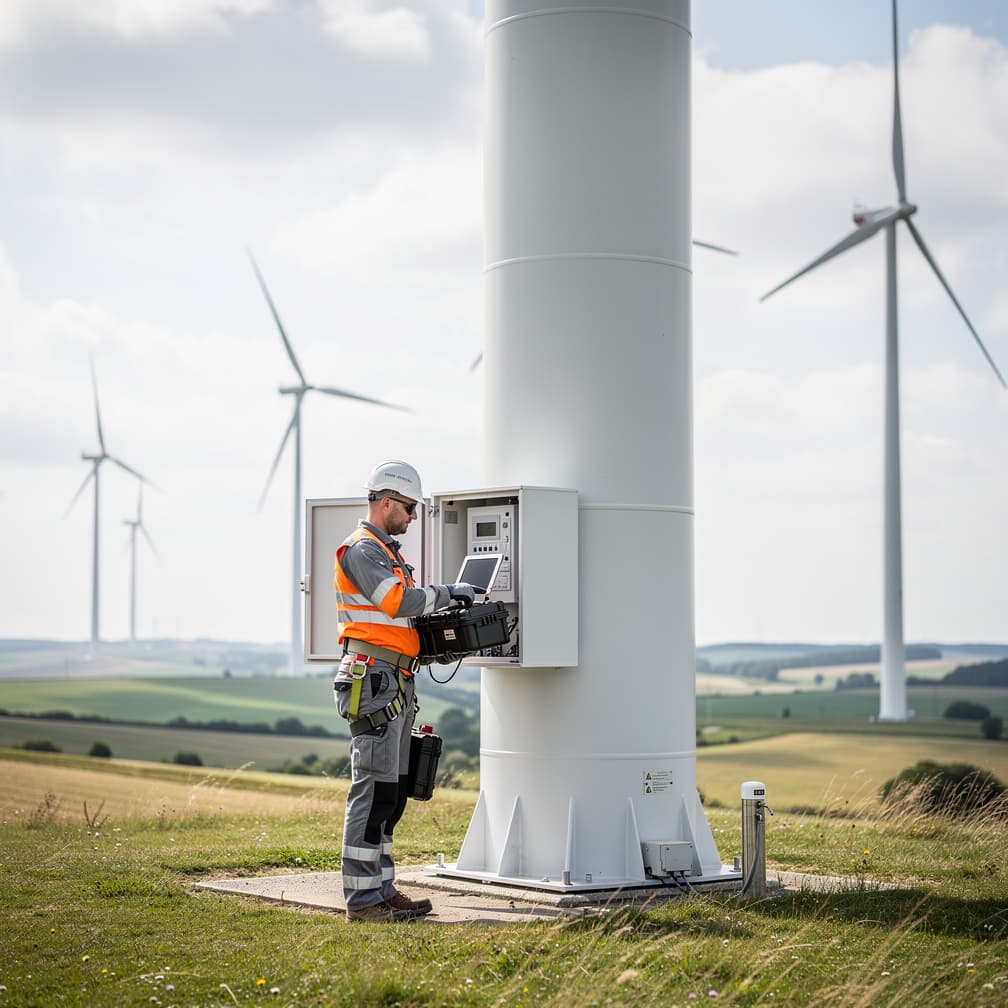

General liability for a wind energy contractor commonly starts from $35 a month, which is small next to one dropped tool claim from a hundred feet up. A low entry price tells you nothing about whether the limit fits the contract you already signed. What drives your number is payroll at height, the fleet of service trucks and trailers, the value of tools moving between sites, and the claims sitting behind you. Wind energy contractor insurance in Lowell gets quoted off those inputs, so the figures move when your job mix moves. Participating carriers in Massachusetts weigh the same inputs differently, which is why two quotes on one submission rarely land close. Get the exposure data straight before comparing anything, or you are comparing guesses.
What Makes Lowell Different
Before a crane leaves the yard, somebody on the project side reviews your coverage line by line. On a large site that reviewer is a full-time risk manager with a checklist and no flexibility. Missing endorsements do not get waived; they get you rescheduled behind whoever has their file complete. Working several large projects at once out of Lowell means juggling insurance exhibits from several different owners. Those lists rarely agree with each other, and none of them was written with your policy in mind. Building one policy that satisfies the strictest of them beats amending coverage project by project. Endorsements added midterm can trigger premium adjustments you never budgeted when you bid the work. Price the strictest exhibit you expect to sign in Massachusetts, then let easier sites ride underneath.
Local Risk Factors in Lowell
Freezing conditions in Massachusetts make tower work slower and more dangerous, since ice on a ladder or a work platform turns a routine climb into a fall. Cold also thickens hydraulics, stiffens rigging, and makes torque readings behave differently than the manual promised. Workers Compensation is generally the line that responds when a worker is injured on ice, and injury claims dominate this trade's loss history anyway. Cold has a payroll side too: a crew standing down for a freeze still costs money while producing nothing. That expense is a business problem rather than an insurance one. Plan the season around it before it plans your season in Lowell.
What Coverage Does a Wind Energy Contractor in Lowell Need?
General Liability
Project owners and landowners demand it before a crew reaches the gate, and it is the line their contracts name by default. It can help cover bodily injury and property damage your work causes to other people, along with the defense costs that arrive with a complaint. Property in your care, custody, and control is typically excluded, so the component you are lifting sits outside it.
Example: A tag line slips during a pick and a tower section swings into a subcontractor's parked truck. The damage claim and the defense that follows it may fall to this line.
Workers Compensation
Falls, struck-by injuries, and heat illness dominate a wind crew's loss history, and this is the line built for them. It is rated per hundred dollars of payroll, with uptower hours classified apart from ground work. Medical costs and lost wages for an injured employee are what it is intended to address; an injured subcontractor's employee is a separate question. Requirements vary by state.
Example: A technician slips on an iced work platform at hub height and fractures a wrist. The treatment and the wages missed while it heals are generally what this coverage takes on.
Commercial Auto
Service trucks, boom trucks, and trailers run gravel access roads to remote parcels, and a personal auto policy generally excludes that use outright. This line is meant for owned vehicles in business use, rated on vehicle type, radius, and the records of whoever drives. Cargo strapped behind the truck usually sits under a separate form rather than this one.
Example: A loaded trailer slides off a thawing access road outside Lowell and takes the pickup with it. Liability for the damage and, subject to your terms, the truck itself can land here.
Tools & Equipment (Inland Marine)
A building policy stops at the yard gate, and a wind contractor's property spends its working life past that gate. This line follows tensioners, torque tools, rigging, and testing gear between remote sites, responding to what your schedule declares at the values you stated. Storage and security conditions apply, and unscheduled items are the ones that turn into arguments.
Example: Someone cuts the fence on a laydown yard overnight and clears out two cases of hydraulic tensioners. Scheduled equipment with serial numbers already on file gives a claim like that somewhere to go.
Commercial Umbrella
When a wind contract demands limits past what your primary carries, this is usually how you reach them. It sits above General Liability and the auto line, extending the ceiling once an underlying limit is exhausted. It follows the terms underneath it, so a gap in the primary form stays a gap: this raises the roof rather than repairing the floor.
Example: One tower accident injures three people, and the settlement plus defense runs past the primary limit. Whatever sits above that limit is the exposure this layer is designed to absorb.
How Much Does Wind Energy Contractor Insurance Cost in Lowell?
Wind Energy Contractor Insurance is a bundle of separate policies, priced separately. The ranges below are typical figures for Lowell for each line, except workers compensation, which is rated per $100 of payroll; a quote prices each one against your own operations.
| Coverage | Typical range | What moves your price |
|---|---|---|
| General Liability Insurance | $575 - $1,925 per month | Industry and risk classification, annual revenue, number of employees |
| Workers Compensation Insurance | $0.75 - $2.74 per $100 of payroll | Employee classification codes, total annual payroll, experience modification rate |
| Commercial Auto Insurance | $490 - $1,575 per month | Fleet size and vehicle types, driver records and experience, coverage limits and deductibles |
| Inland Marine Insurance | $190 - $900 per month | Total insured value of the scheduled property, type and age of the equipment, where it is stored and how far it travels |
| Commercial Umbrella Insurance | $280 - $1,100 per month | Umbrella limit requested, limits carried on the underlying policies, loss history on those underlying policies |
Prices shown are general estimates, not guaranteed rates or quotes. Your actual premium will depend on the insurer, coverage selected, business details, location, claims history, and other underwriting factors. Learn about our pricing methodology.
What Are the Insurance Requirements for a Wind Energy Contractor in Lowell?
Workers' comp is generally required once you have your first employee. Massachusetts generally requires employers to carry workers' compensation at that point. Common exemptions include sole proprietors and partners. Confirm current thresholds with your state's workers' compensation agency before you hire.
State auto liability minimums apply to business vehicles. Massachusetts's minimum auto liability limits are $25,000/$50,000/$30,000 (bodily injury per person / per accident / property damage). Contracts and lenders often require more than the state floor.
Where to verify licensing and coverage rules. The Massachusetts Division of Insurance publishes consumer guidance and current insurance requirements for Massachusetts businesses. When a contract or lease demands specific wording, the Massachusetts Division of Insurance's guidance is the authoritative place to check.
Get Your Wind Energy Contractor Quote in Lowell
Compare rates from multiple carriers. Free quotes, no obligation.
Operating in Lowell
- A new hire on a tower is the most expensive employee you have, because inexperience and elevation combine badly. Training records are the argument you bring to renewal when a loss run looks unflattering.
- Access roads to a wind parcel in Middlesex County are gravel, and gravel eats tires, windshields, and suspension on service trucks. Vehicle claims off a job site often involve no other driver at all.
- Turbine components arrive on schedules set by somebody else and sit in your yard until the crane is ready. Custody of a nacelle you did not buy becomes an insurance question long before it is lifted.
- The landowner whose easement crosses your access road can be a different party from the project owner, with a separate demand for proof. Two certificates, two sets of wording, and one crew waiting on both.
How to Buy: Advice for Lowell Owners
The insurance exhibit is only half the job; the other half is the equipment list nobody wants to write. Tensioners, torque tools, rigging, and testing gear move between a yard in Lowell and remote sites, and Inland Marine is rated off what you declare. An item left off the schedule is an item you argue about later, at the worst possible moment. Do the same exercise for vehicles, because Commercial Auto pricing follows the trucks and trailers you actually run and the radius you actually drive. Check the Massachusetts Division of Insurance's guidance before deciding how much detail a submission needs. Then hand identical lists to everyone quoting, so the numbers coming back mean something. CPK's marketplace collects those quotes from participating carriers in Massachusetts against the one exposure picture you built.
FAQ
Wind Energy Contractor Insurance in Lowell: FAQ
Commercial Auto is the line built for owned trucks and trailers in business use, rated on vehicle type, radius, and driver records. Long hauls down gravel access roads outside Lowell are exactly the exposure it is meant for. What it typically does not answer for is the cargo strapped behind the truck, since components and equipment usually sit under a different form. Confirm which form owns which object before the load moves.
Every certificate you handed out becomes worthless the moment the underlying policy ends, and nobody calls to warn the parties holding them. A project owner near Lowell who discovers the lapse can stop your work that day, and an incident occurring during the gap has nothing behind it. Put renewal on the calendar well ahead of the date, and keep it away from your busiest mobilization window.
Carriers in Massachusetts weight height work, crane involvement, fleet radius, and claims history differently, and some simply do not want this class at any price. A number that comes back unusually light often assumed something you never described. The spread is useful information: read the terms sitting behind each number rather than the number alone, and compare at identical limits and deductibles.
You need their certificates on file before they start, and the limits they carry need to be worth something. An uninsured sub's injury or mistake tends to find its way back to your policy, because the party who got hurt sues everyone with a name on the site. Contracts usually require you to flow down the same insurance terms you agreed to. Collect the paperwork before work begins on any Middlesex County parcel.
Payroll split by classification, annual revenue, a vehicle list with use and radius, an equipment schedule with current values, and your loss run for the past several years. Wind work loads every one of those, so an incomplete packet gets priced defensively. Assemble it once and each renewal becomes an update rather than a scramble. Hand identical figures to everyone quoting Lowell work so the answers are comparable.
Usually not. A liability policy is built around damage and injury, not a schedule that slips because the gauge stayed above the limit for the pick. Standing crews and a rented crane keep costing money through a hold, and that expense generally lands on you or wherever the contract's delay clause puts it. Find that clause before the season starts, because it is the real answer to this question.
Sources
- 1.Massachusetts Division of Insurance(Massachusetts Division of Insurance publishes consumer guidance for insurance buyers.)


