
Updated July 5, 2026

Builders Risk Insurance in Springfield
Projects here often move between small commercial rehabs, tenant improvements, and residential work where materials arrive in stages and sit on site before installation. If you are comparing builders risk insurance in Springfield, your coverage review should follow that operating reality: partial deliveries, short-term storage, and jobs that may shift from interior work to exterior envelope work as schedules change. A contractor renovating a storefront corridor, an owner improving a mixed-use property, and an investor updating a house for resale do not present the same exposure, even if the contract value looks similar. Local buyers also need to match limits to the property they are improving, not just the bid amount. With Springfield median home value at $222,700, underinsuring a residential renovation can leave a meaningful gap if materials in place, temporary works, or a partially completed structure are damaged before handoff. Bring your construction contract, draw schedule, and any lender insurance requirements into the quote request so the policy can be reviewed around the actual job instead of a generic form.
Builders Risk Insurance Risk Factors in Springfield
Springfield's top risk factors include Winter storm damage, Ice dam damage, Frozen pipe bursts, and Snow load collapse.
Massachusetts has a moderate climate risk rating. Top hazards: Nor'easter (Very High), Hurricane (High), Flooding (High), Winter Storm (High). The state's expected annual loss from natural hazards is $1.2B, which influences builders risk insurance premiums and may affect coverage availability in high-risk areas.
What Builders Risk Insurance Covers
Massachusetts projects often turn on where property is located at the moment a loss happens. Materials may move from a supplier yard to temporary storage, then to the site, and finally into the structure in stages. If your job depends on long-lead items, custom windows, mechanical equipment, finish materials, or owner-furnished products, ask how each category is treated before installation and after delivery. That review matters more on projects with tight urban staging, limited laydown space, or renovation work where materials arrive in smaller batches.
You also want the policy reviewed against the way the job is actually built. A coastal build, a multifamily renovation, and an interior fit-out in an occupied property can present very different exposures even if the completed values look similar. Water intrusion, theft of stored materials, damage during transit, and loss tied to temporary protection measures should be discussed in plain language with the quoting team. If the project uses scaffolding, temporary enclosures, or specialty equipment that is critical to keeping the schedule moving, ask whether those items belong in the builders risk conversation or under another policy.
For renovations, the line between existing structure and new work deserves special attention. If a loss starts in the work area and affects undisturbed portions of the building, you need to know how the policy responds. You should understand what property is actually scheduled and whether soft-cost or delay-related options are worth reviewing. The practical move is to mark up the site plan and scope of work, then match each exposure to the policy wording.
Coverage Included

Structure Coverage
Covers the building or structure under construction.

Materials on Site
Covers building materials stored at the construction site.

Materials in Transit
Covers materials being transported to the job site.
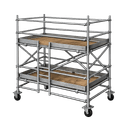
Temporary Structures
Covers scaffolding, fencing, and temporary buildings.

Soft Costs
Covers additional expenses from construction delays due to covered losses.

Equipment Coverage
Covers permanently installed fixtures and equipment.
Industries & Insurance Needs in Springfield
Hampden County's business mix changes how many local projects are framed and who may ask for proof of coverage before work starts. The county has 9,398 business establishments, with retail trade at 15.6%, health care and social assistance at 13%, and other services at 10.4%, so a large share of work can involve occupied commercial spaces, phased renovations, and tenant-facing schedules rather than only ground-up construction. That matters for builders risk because the job often has tighter delivery windows, more materials moving in smaller batches, and less room for delays after a loss. If your project touches a shop, clinic, or service business, ask your agent to review how the policy handles materials on site, temporary protection, and the point where one phase is complete but the whole job is not yet turned over.
What Makes Springfield Different
Existing-building renovation is the main thing that changes the calculus here. In this market, many buyers are not insuring a clean, empty site. They are improving a house, refreshing a mixed-use property, or reworking a commercial space where the project value and the property value can diverge. Springfield median household income is $51,339, so budget pressure can push owners to insure only the contract amount or to skip optional extensions that seem secondary at binding. That is where claims problems start. If a loss affects materials already installed, temporary structures, or a paused project waiting on the next draw, a thin limit can become expensive quickly. The practical move is to build the quote around completed value, project phase, and who is carrying the financial risk at each stage, then compare that against lender or contract requirements before work begins.
Our Recommendation for Springfield
Start with the job schedule, not the application form. If your project involves phased work, partial occupancy, or materials delivered over several weeks, note that clearly so the policy can be reviewed for the way the site actually operates. For residential rehabs, compare the planned completed value against the current property value before choosing a limit. For commercial renovations, line up the construction agreement, any lease obligations, and the owner-contractor allocation of risk so there is less ambiguity if damage happens mid-project. It is also worth asking how the policy treats change orders, soft cost needs tied to financing, and the date coverage should end if punch-list work stretches beyond the original timeline. Before you bind, request a quote review that lists covered property, major exclusions, and any conditions for vacant or partially occupied structures in plain language.
Get Builders Risk Insurance in Springfield
Enter your ZIP code to compare builders risk insurance rates from carriers in Springfield, MA.
Business insurance starting at $25/mo
FAQ
Frequently Asked Questions
Springfield projects often need a limit tied to the value at risk during construction, not just the contractor's price. With local median home value at $222,700, a residential renovation can be underinsured if you only match the labor contract and ignore materials in place.
Springfield lenders usually want evidence that the structure and covered materials are insured while work is underway. That matters most when draws are funding improvements over time and a loss could interrupt the project before completion or sale.
Hampden County does. The county has 9,398 business establishments, with retail trade at 15.6%, health care and social assistance at 13%, and other services at 10.4%, so many projects involve occupied, customer-facing spaces where delays and phased work need closer policy review.
Springfield quote requests go more smoothly when you bring the purchase details, scope of work, construction budget, timeline, and any lender requirements. That gives the agent enough detail to review limits, vacancy concerns, and when coverage should begin and end.
Massachusetts builders risk insurance falls under the Massachusetts Division of Insurance, which means you have a state resource for policy questions and complaint resolution if a dispute arises during your project.
Renovation projects often warrant a closer review because the key issue is how the policy treats new work versus existing structure, especially if the building stays occupied during construction.
Tight sites and phased deliveries can leave materials in temporary storage before installation. Your policy can help cover off-site storage depending on specific terms and forms, so ask for a clear review of where property is covered at each stage.
The right buyer is usually the party that carries the financial risk if work in place is damaged before completion, and that responsibility is typically assigned through the construction contract or lender documents.
Sources
- 1.U.S. Census Bureau, ACS 5-Year Estimates, table B25077(Springfield median home value)
- 2.U.S. Census Bureau, County Business Patterns, Hampden County(Hampden County has 9,398 business establishments, with retail trade at 15.6%, health care and social assistance at 13%, and other services at 10.4%)
- 3.U.S. Census Bureau, ACS 5-Year Estimates, table B19013(Springfield median household income)
Updated July 5, 2026