Updated July 16, 2026

On-Hook Towing Insurance in Worcester
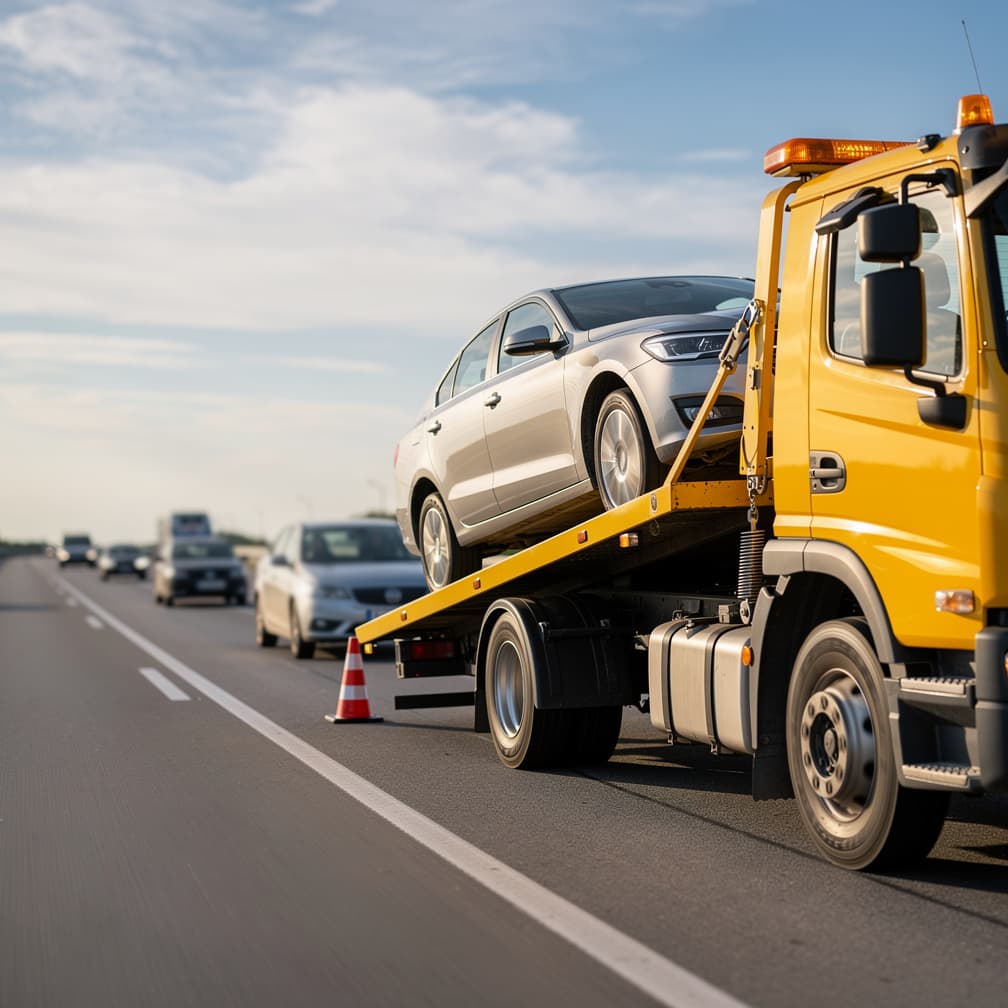
A local tow operator in Worcester typically runs out of a small yard or mixed-use industrial bay, moving between apartment complexes, repair shops, hospital areas, and campus-adjacent streets throughout the day. Calls feed in from I-290 and nearby connectors during every shift. That operating pattern is why on-hook towing insurance should be reviewed around how vehicles are actually picked up, secured, transported, and released, not just around a generic truck schedule. A claim can start with a routine relocation tow, a police-ordered removal, or a disabled vehicle headed to a body shop across town. The exposure changes when your drivers load in cramped lots, handle low-clearance garages, or deliver into busy commercial corridors where customers inspect the vehicle immediately.
On-Hook Towing Insurance Risk Factors in Worcester
Worcester's top risk factors include Winter storm damage, Ice dam damage, Frozen pipe bursts, and Snow load collapse.
Massachusetts has a moderate climate risk rating. Top hazards: Nor'easter (Very High), Hurricane (High), Flooding (High), Winter Storm (High). The state's expected annual loss from natural hazards is $1.2B, which influences on-hook towing insurance premiums and may affect coverage availability in high-risk areas.
What On-Hook Towing Insurance Covers
The practical question is not the basic definition of on-hook coverage. The real issue is where damage allegations tend to arise in your daily work and how your policy language responds to those moments. A tow through dense city blocks, a recovery from a snow-lined shoulder, or a removal from a narrow garage creates different contact points than a straightforward daytime transport from one open lot to another. You should review how the policy treats loading angle, wheel-lift use, bed approach, low-clearance vehicles, modified suspensions, and vehicles with pre-existing body damage that can be blamed on the tow after the fact.
This matters because operators often work in places where a customer is not standing beside the truck when the vehicle is picked up. That makes condition evidence and dispatch notes more important. Ask whether your form is written in a way that fits unattended tows, police-directed removals, dealer handoffs, and after-hours apartment or condominium calls. If your operation handles accident scenes, review whether the same procedures apply when a vehicle already has collision damage and the dispute later centers on what happened during winching, loading, or unloading.
A quote that works for older commuter cars may not fit late-model SUVs, electric vehicles, work vans with equipment inside, or specialty vehicles with low ground clearance. If your drivers switch between flatbeds and wheel-lift units, make sure the application and policy reflect that mix clearly.
Coverage Included

Collision on Hook
Covers damage to towed vehicles from collisions during transport.

Comprehensive on Hook
Covers theft, fire, and weather damage to vehicles being towed.
Loading & Unloading
Covers damage during the process of loading and unloading vehicles.
Winching Coverage
Covers damage to vehicles during winching and recovery operations.

Multiple Vehicle
Covers all vehicles on multi-car carriers and rollback flatbeds.
Industries & Insurance Needs in Worcester
Worcester County business mix changes who calls you and what kinds of vehicles you are more likely to move. County Business Patterns reports 19,038 establishments in the county, with construction at 13.3%, retail trade at 12.8%, and health care and social assistance at 12.1%. That matters because each segment creates a different on-hook profile. Construction accounts can mean pickups, vans, and equipment-adjacent towing from job sites or supplier lots. Retail work can involve private property removals from busy parking areas where condition disputes start quickly. Health care and social assistance locations can bring tighter access, time pressure, and more scrutiny around where a vehicle is dropped. If those are meaningful parts of your book, ask for terms that match your actual dispatch mix, after-hours activity, and the kinds of vehicles you most often load.
What Makes Worcester Different
A local towing company is not just handling one clean lane of work. You may move from a residential impound call to a retail lot tow, then to a contractor pickup, and finally to a delivery at a repair facility, all in the same shift. That variety matters for your policy because the loss story often turns on where the vehicle sat, who authorized the tow, how it was loaded, and what condition evidence exists before transport. Worcester households operate on a median household income of $67,544, which means a $400 scratch allegation can feel worth fighting to a customer who is already stretched thin. That makes documentation discipline more important, not less. If your operation handles a wide spread of call types, make sure your insurer understands that mix before you bind coverage.
Our Recommendation for Worcester
Start with your dispatch reality and break out your work by source: apartment complexes, police rotation if applicable, repair shops, commercial accounts, and private property management. An underwriter can price and structure coverage more cleanly when your operation is organized that way. Next, show how your drivers document condition at pickup and delivery. Photos with timestamps, signed releases where practical, and notes on wheel position, body damage, and key status can matter as much as truck specs when a claim is disputed. If you tow for contractors, retailers, or medical facilities, identify the vehicle types and the tightest loading environments you deal with regularly. It is also worth reviewing whether your storage setup, subcontracted work, and after-hours procedures create handoff gaps. Bring those details into a quote request so the policy review is built around your actual exposures, not assumptions.
Get On-Hook Towing Insurance in Worcester
Enter your ZIP code to compare on-hook towing insurance rates from carriers in Worcester, MA.
Business insurance starting at $25/mo
FAQ
Frequently Asked Questions
Lead with your dispatch mix, truck list, operating radius, storage locations, and photo procedures. If your accounts include commercial properties or repair shops, include that too, because local operations often handle several tow types in the same week.
Worcester County has a broad business mix, with construction, retail trade, and health care among the leading sectors, so your book of business may include job sites, parking lots, and facility calls that create different loading and release exposures.
Private property tows can create fast disputes because the vehicle owner often sees the car soon after release and may question pre-existing damage. Clear authorization records and pickup photos usually deserve extra attention on those accounts.
Worcester has a median household income of $67,544, which means a customer may push back on a repair bill that another market might absorb quietly. Good photos, dispatch notes, and release records can help you respond when a customer challenges damage timing.
Worcester operators should absolutely describe whether they tow for apartments, retailers, contractors, hospitals, or repair facilities. That account mix affects how vehicles are accessed, loaded, and inspected, which is central to an on-hook underwriting review.
Private property towing can still create the same damage dispute as any other tow. If a customer vehicle is alleged to be damaged during loading, transport, or unloading, you should review on-hook coverage based on that exposure, not on how the job was dispatched.
Winter towing can make claims harder because snowbanks, ice, and poor shoulder conditions change loading angles and visibility. You should ask how your documentation process handles those jobs and whether your drivers record pre-existing damage consistently before hookup.
Insurance carriers operate within the state's insurance oversight framework. That matters when you compare policy forms and complaint handling, but your quote still depends on your trucks, services, limits, deductibles, and claims history.
Sources
- 1.U.S. Census Bureau, County Business Patterns, Worcester County(County Business Patterns reports 19,038 establishments in the county, with construction at 13.3%, retail trade at 12.8%, and health care and social assistance at 12.1%.)
- 2.U.S. Census Bureau, ACS 5-Year Estimates, table B19013(Worcester households also operate on a median household income of $67,544, so customers may challenge even moderate repair allegations instead of absorbing them out of pocket.)
Updated July 16, 2026