








































Updated July 16, 2026

Business Owners Policy Insurance in Ann Arbor
Washtenaw County supports 8,209 business establishments, which means you compete in a dense local market where landlords, clients, and lenders often expect clean proof of coverage before signing contracts. If you are shopping for a business owners policy in Ann Arbor, that density matters because underwriters see everything from small professional offices near downtown to retail storefronts and health-related practices spread across the county. A bundled package usually gets reviewed less on broad state assumptions and more on your occupancy, customer traffic, equipment values, and whether lost income would interrupt payroll or lease obligations. That is especially true in a market where many businesses work in close proximity, share mixed-use buildings, or depend on steady foot traffic and appointment volume. You get a better quote when you bring a current lease, a property schedule, estimated annual revenue, and a realistic business income figure instead of guessing.
Business Owners Policy Insurance Risk Factors in Ann Arbor
Ann Arbor's top risk factors include Severe weather, Property crime, Flooding, and Vehicle accidents. 14% of Ann Arbor is in a flood zone, commercial property policies should include flood endorsements or separate flood insurance.
Michigan has a moderate climate risk rating. Top hazards: Severe Storm (High), Winter Storm (High), Flooding (Moderate), Tornado (Moderate). The state's expected annual loss from natural hazards is $1.4B, which influences business owners policy insurance premiums and may affect coverage availability in high-risk areas.
What Business Owners Policy Insurance Covers
In Michigan, a BOP is still built around the same core protections, but the way you structure it should reflect local conditions and carrier underwriting. The base package combines commercial property and general liability, and it often includes business income coverage for a temporary shutdown after a covered loss. That is especially relevant in Michigan because severe storm and winter storm exposure is high, and recent disaster history includes tornado outbreaks, derecho events, river flooding, and a polar vortex. Those events can damage roofs, siding, inventory, refrigeration, and equipment in a way that interrupts revenue even when the business itself is otherwise healthy.
Michigan does not require a BOP as a standalone policy, but the state does require workers compensation for businesses with at least one employee, so your policy is usually part of a broader small business insurance bundle rather than the only coverage you buy. Common BOP options in this market include equipment breakdown coverage and, in some cases, hired and non-owned auto coverage, though those add-ons vary by carrier.
A Michigan BOP generally can help cover the building you own or lease improvements to, plus furniture, fixtures, equipment, and inventory. Liability protection addresses third-party claims tied to your premises or operations. What it does not automatically include can vary, so you should confirm whether your quote includes business income coverage, equipment breakdown coverage, and any endorsements your location needs after reviewing your carrier forms and the Michigan Department of Insurance and Financial Services guidance.
Coverage Included
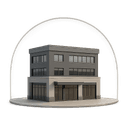
Commercial Property
Can help repair or replace your building, equipment, inventory, and furnishings after covered events like fire, wind, or theft.

General Liability
Can help cover customer injuries, damage to property owned by others, and related legal costs your business becomes responsible for.
Business Income
May replace lost income and help pay rent, payroll, and other continuing expenses while covered damage forces a temporary shutdown.

Equipment Breakdown
Typically covers repair or replacement when equipment like air conditioning, refrigeration, or computers fails from a sudden mechanical or electrical breakdown.
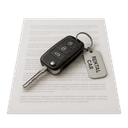
Hired & Non-Owned Auto
May respond when vehicles your business rents or employees' personal cars are used for work and cause an accident.
Business Owners Policy Insurance Cost in Ann Arbor
Average Cost in Michigan
$50 - $170
per month
Businesses in Michigan typically see business owners policy insurance premiums of $50 - $170 per month, which tends to run 5% above the national range of $50 - $160 per month.
- Annual revenue and industry class
- Building and contents values
- Square footage and building age
- Catastrophe exposure at your address
- Liability limits and property deductibles
- Claims history
Contact CPK Insurance for a personalized quote.
Prices shown are general estimates, not guaranteed rates or quotes. Your actual premium will depend on the insurer, coverage selected, business details, location, claims history, and other underwriting factors. Learn about our pricing methodology.
For Michigan businesses, your BOP cost is shaped by a mix of statewide market pressure and property-specific underwriting. Premiums reflect a market where insurance costs are above the national average and where carriers are balancing storm exposure, burglary trends, and the concentration of small businesses across the state. Coverage limits and deductibles matter most, especially if you want higher property limits for equipment or inventory in a warehouse, storefront, or production space.
Claims history is another major factor, and Michigan carriers may also look at location, industry or risk profile, and policy endorsements. A business in a storm-prone part of the state, or one with more valuable contents, usually needs more careful quoting than a low-hazard office operation. Because Michigan has 440 active insurance companies, pricing can vary meaningfully from one carrier to another, even for the same business profile.
In Michigan, the best quote conversation is one that includes your building details, square footage, payroll or revenue context if relevant to underwriting, inventory value, and whether you need endorsements. A BOP quote can also shift based on whether the business is in manufacturing, retail trade, accommodation and food services, or professional services, because those sectors are common in the state and carry different property and liability profiles.
Industries & Insurance Needs in Ann Arbor
Washtenaw County's business mix changes what a strong BOP submission looks like. Professional, scientific, and technical services account for 15.7% of establishments, retail trade 12.8%, and health care and social assistance 12.6%, so local demand is not centered on one storefront model. Office-based firms often need careful attention to tenant improvements, computers, records, and business income tied to billable work. Retail operations usually need tighter inventory values, seasonal stock updates, and liability limits that fit customer traffic. Health-related businesses often need a clear separation between property and premises liability needs inside the BOP and any other policies that may be reviewed separately. That mix matters because carriers want the application to match the actual operation, not a generic class code chosen for speed. Before you request terms, list what property you own, what you lease, how clients or patients enter the space, and what a short shutdown would cost in revenue.
What Makes Ann Arbor Different
Professional and client-facing occupancy is the main thing that changes the calculus here. In a market with many offices, practices, and service firms working out of leased space, the BOP decision often turns less on heavy property exposure and more on how your lease, improvements and betterments, electronics, signage, and interruption risk fit together. Ann Arbor buyers can miss that because the space may look simple. A suite, a reception area, a few exam rooms, a small retail floor, or shared office space can hide real exposure. The insurance review is not simple if you paid for buildout, rely on appointments, or need income to continue during a temporary shutdown. Ann Arbor's median household income is $81,089, so your customers likely expect a polished physical environment and consistent service. That raises the stakes if a property loss interrupts operations or damages a customer-facing space. Review whether your limit reflects what it would take to restore the premises you actually use, not just the furniture you can count quickly.
Our Recommendation for Ann Arbor
Your lease is the best place to start. In local office and mixed-use space, check who insures glass, interior improvements, exterior signs, and any equipment attached to the building before you assume the landlord carries it. From there, build a property list that separates owned contents from landlord property, including computers, specialized tools, point of sale equipment, and any stock that changes during the year, then pressure-test your business income figure against that inventory. If your operation depends on appointments, recurring clients, or a walk-in location, estimate what a short closure would do to revenue, payroll, and rent rather than choosing a number that only feels affordable. If you operate in a professional or health-related setting, ask whether your policy classification matches your actual services and whether any exposures sit outside the package and need separate review. Bring your lease, recent revenue figures, and a current equipment list to a quote request so the coverage can be reviewed around your real operation.
Get Business Owners Policy Insurance in Ann Arbor
Enter your ZIP code to compare business owners policy insurance rates from carriers in Ann Arbor, MI.
Business insurance starting at $25/mo
FAQ
Frequently Asked Questions
Ann Arbor sits in Washtenaw County, where 8,209 business establishments compete for space and contracts. Underwriters in a market this active tend to look closely at occupancy, lease terms, customer traffic, and business income rather than relying on a generic small-business profile.
Before you sign, find out who insures improvements and betterments, glass, signs, and attached equipment. In a market with many professional firms, lease language can shift property responsibility in ways a quick quote does not capture.
Ann Arbor buyers often serve households in a city with median household income of $81,089. Customers at that income level tend to expect a well-maintained storefront, so damage to your interior or displays may cost more to fix than a generic policy assumes. Review limits for buildout, displays, furnishings, and income loss if a covered property claim interrupts sales.
Washtenaw County is led by professional, scientific, and technical services at 15.7%, retail trade at 12.8%, and health care and social assistance at 12.6%, so your underwriter likely sees a wide mix of risk profiles in one market. Those three sectors drive very different exposures, which is why a one-size package rarely fits an office, a storefront, and a practice the same way.
In Michigan, a BOP usually bundles commercial property and general liability, and it often includes business income coverage for temporary shutdowns after a covered loss. You should still confirm whether equipment breakdown coverage or other endorsements are part of the quote because those are not automatic on every form.
Your final cost depends on limits, deductibles, claims history, location, industry, and endorsements.
Michigan does not require every business to buy a BOP, but it does require workers compensation for businesses with at least one employee, subject to the listed exemptions. Your requirements will also vary by carrier, industry, building size, and whether you need specific property or liability limits.
Business income coverage can help replace lost income and certain ongoing expenses if a covered event forces a temporary closure. In Michigan, that can be especially relevant after severe storms or winter storm damage that interrupts operations while repairs are being made.
Sources
- 1.U.S. Census Bureau, County Business Patterns, Washtenaw County(Washtenaw County supports 8,209 business establishments.; Professional, scientific, and technical services account for 15.7% of establishments, retail trade 12.8%, and health care and social assistance 12.6% in Washtenaw County.)
- 2.U.S. Census Bureau, ACS 5-Year Estimates, table B19013(Ann Arbor's median household income is $81,089.)
Updated July 16, 2026





