








































Updated July 16, 2026

Commercial Truck Insurance in Ann Arbor
The decision usually lands here when you add a truck to a service schedule, sign a downtown lease that requires proof of auto liability, or start making regular deliveries around campus, medical offices, and retail corridors. Commercial truck insurance in Ann Arbor should be quoted around those actual movements, not just the truck class on a form. A plumber running short hops between Kerrytown and the west side has a different exposure than a box truck making timed retail drops or a contractor towing equipment to jobs across the county.
Washtenaw County has 8,209 business establishments. That density puts your trucks on client properties often, where loading rules and certificate requests shape the job. The county mix also leans toward professional, scientific, and technical services at 15.7%, retail trade at 12.8%, and health care and social assistance at 12.6%. In plain terms, your routes probably involve repeat visits to offices and clinics rather than long-haul freight runs. When you ask for quotes, bring your garaging address, radius, driver list, and trailer details along with a plain-language description of the stops you make in a normal week.
Commercial Truck Insurance Risk Factors in Ann Arbor
Ann Arbor's top risk factors include Severe weather, Property crime, Flooding, and Vehicle accidents.
Michigan has a moderate climate risk rating. Top hazards: Severe Storm (High), Winter Storm (High), Flooding (Moderate), Tornado (Moderate). The state's expected annual loss from natural hazards is $1.4B, which influences commercial truck insurance premiums and may affect coverage availability in high-risk areas.
What Commercial Truck Insurance Covers
Michigan commercial truck insurance is built around the way your trucks actually operate, not just the vehicle type. For interstate and intrastate hauling, motor carrier liability is the core protection. The state's commercial auto minimums apply, while federal freight rules may require higher liability limits depending on the load. Cargo coverage can be added to protect freight in transit, which matters for carriers moving manufacturing goods, retail freight, refrigerated loads, or equipment through storm-prone areas and busy freight lanes. Physical damage coverage is commonly used to help with repair or replacement after collision losses, theft-related damage, or weather-related impacts. Given the state's history of harsh weather, reviewing these terms before binding is time well spent. Trailer interchange can matter if you haul under agreements that include non-owned trailers. Bobtail coverage or non-trucking liability can be relevant for owner-operators when the truck is being used outside dispatch. The Department of Insurance and Financial Services regulates the market, so endorsements, limits, and certificates should be reviewed carefully before binding.
Coverage Included

Motor Carrier Liability
Can help cover injuries and property damage your truck causes to others, a coverage federal regulators require most for-hire carriers to maintain.
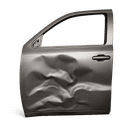
Physical Damage
Can help pay to repair or replace your own truck after an accident, fire, theft, or vandalism.
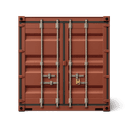
Cargo Coverage
May pay for damage to or theft of the freight you are hauling while it is in your care.
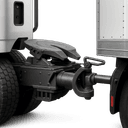
Trailer Interchange
Can help cover damage to trailers you haul under an interchange agreement but do not own.
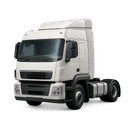
Bobtail Coverage
May provide liability protection when you drive your tractor without a trailer attached, such as after dropping off a load.

Non-Trucking Liability
Can help cover accidents that happen when you use your truck for personal errands rather than dispatched work.
Commercial Truck Insurance Cost in Ann Arbor
Average Cost in Michigan
$430 - $1,225
per month
Businesses in Michigan typically see commercial truck insurance premiums of $430 - $1,225 per month, which tends to run 9% above the national range of $400 - $1,125 per month.
- Radius of operation
- Commodities hauled and cargo value
- Number and value of power units
- Driver motor vehicle records and CDL experience
- DOT safety record, inspections, and FMCSA scores
- Liability limits and physical damage deductibles
Contact CPK Insurance for a personalized quote.
Prices shown are general estimates, not guaranteed rates or quotes. Your actual premium will depend on the insurer, coverage selected, business details, location, claims history, and other underwriting factors. Learn about our pricing methodology.
Commercial truck insurance cost in Michigan is shaped by both the state market and your trucking profile. Average premiums run from $430 to $1,225 per month per truck, so shopping around is worth the effort. Factors that move the quote include coverage limits, deductibles, claims history, location, industry or risk profile, and policy endorsements. Severe weather can drive up physical damage and cargo claims, which directly affects your premium. If your operation runs through higher-traffic metro areas, near industrial zones, or on longer routes that face more exposure time, the quote may reflect that added risk. Premiums can also vary by truck type, whether you are an owner-operator or a fleet, and whether you need motor carrier liability, trailer interchange, or bobtail coverage. A personalized quote is the only way to see how these factors combine for your operation.
Industries & Insurance Needs in Ann Arbor
Washtenaw County's business mix changes what many local truck policies need to contemplate day to day. Professional, scientific, and technical services account for 15.7% of establishments, retail trade 12.8%, and health care and social assistance 12.6%, so a lot of commercial driving here supports office moves, supply runs, retail replenishment, medical deliveries, maintenance calls, and contractor work tied to those clients. That usually means more frequent stops, tighter delivery windows, and more certificate requests than a fleet built mainly around open-road mileage.
The county also has 8,209 business establishments, so your truck often operates in a dense network of landlords, vendors, and commercial customers that may ask for higher liability limits, hired and non-owned auto review, or faster proof of coverage before access is granted. If your work depends on recurring service calls rather than one weekly route, ask for a quote built around stop frequency, parking arrangements, trailer use, and whether employees ever use personal vehicles for errands.
What Makes Ann Arbor Different
How often your vehicle enters business properties, backs into tight loading areas, and parks between calls drives the buying calculus here. In many markets, truck insurance is driven mostly by distance and cargo. Around Ann Arbor, a lot of exposure comes from satisfying contract requirements for commercial clients who need proof of coverage before work starts. That is a different underwriting conversation than simply naming a vehicle class, because underwriters want to understand site access and stop frequency.
The real question is how your truck is used between the first stop and the last. If your operation runs on repeat local routes, sit down with your agent and walk through liability limits, physical damage deductibles, any attached equipment, and whether your policy actually matches the way drivers access customer sites.
Our Recommendation for Ann Arbor
List every vehicle and describe what each one actually does for your business. A service van carrying tools, a pickup towing equipment, and a box truck making deliveries are three different underwriting stories, and local pricing can turn on use more than appearance. If you rotate drivers, confirm who is regularly assigned and who only drives occasionally.
Then lay out your real operating pattern. Where are trucks garaged, do they stay on site overnight, how often do they enter downtown properties, and do they cross county lines for jobs? If customers ask for certificates before work starts, review requested liability limits early so you are not revising coverage after a contract is signed.
Think about the clients you serve, too. Ann Arbor's median household income is $81,089. Translation: the homes, offices, and parked vehicles your drivers encounter tend to carry higher repair costs after an accident. Ask for quote options that let you compare deductible choices and physical damage terms side by side before renewal.
Get Commercial Truck Insurance in Ann Arbor
Enter your ZIP code to compare commercial truck insurance rates from carriers in Ann Arbor, MI.
Business insurance starting at $25/mo
FAQ
Frequently Asked Questions
Before you call, gather your vehicle details, garaging address, driver list, radius of operation, trailer information, and a clear description of stops and job types. Here, frequent service calls and property access rules can matter as much as the truck itself.
Yes. With thousands of businesses operating in the county, many trucks here work around vendor requirements, loading areas, and certificate requests. That makes it smart to review liability limits, driver use, and how often your vehicles enter customer properties.
Ann Arbor local driving is not automatically simpler. Short routes can still involve repeated stops, backing, parking, and customer-site exposure, so your quote should match route density, towing, tools or cargo carried, and who drives each vehicle.
The county's concentration of professional services, retail, and health care means trucks here tend to support appointments, deliveries, and service calls rather than freight hauling. Stop frequency and client requirements deserve close review because they shape your exposure differently than highway mileage.
Ann Arbor service businesses usually should compare deductible options side by side. If your truck is essential to daily calls, a lower deductible may reduce disruption after a loss, while a higher deductible can change the monthly premium tradeoff.
It can be tailored to your trucking setup with motor carrier liability, physical damage, cargo coverage, trailer interchange, bobtail coverage, and non-trucking liability, depending on your specific operations.
Michigan's commercial auto minimums are listed at $50,000/$100,000/$10,000, and the policy must also fit your industry, business size, and any federal freight requirements that apply.
The average range is $430 to $1,225 per month per truck, and the final price depends on limits, deductibles, claims history, location, risk profile, and endorsements.
Sources
- 1.U.S. Census Bureau, County Business Patterns, Washtenaw County(Washtenaw County has 8,209 business establishments, so a lot of truck use here is tied to vendor access, property rules, loading areas, and certificate requests before work starts.; The county mix also leans toward professional, scientific, and technical services at 15.7%, retail trade at 12.8%, and health care and social assistance at 12.6%, so many fleets are supporting offices, stores, clinics, and related vendors rather than only long-haul freight.)
- 2.U.S. Census Bureau, ACS 5-Year Estimates, table B19013(Ann Arbor's median household income is $81,089, which often supports higher-value homes, offices, and service expectations, so property damage claims can become expensive if a truck hits a structure, gate, or parked vehicle.)
Updated July 16, 2026





