Updated July 16, 2026

On-Hook Towing Insurance in Ann Arbor
Washtenaw County has 8,209 business establishments. For you, that means property managers, fleet contacts, and repair shops here routinely demand clean proof of coverage before handing over keys. Your exposure runs well beyond the tow itself, reaching into the handoff, the storage move, the short relocation across a crowded lot, and the paperwork that follows if a customer claims damage happened while their vehicle was attached to your truck. You should be ready to show how you dispatch, what equipment you use, and whether your work spans private passenger cars, service vans, or higher-value units tied to local employers.
On-Hook Towing Insurance Risk Factors in Ann Arbor
Ann Arbor's top risk factors include Severe weather, Property crime, Flooding, and Vehicle accidents.
Michigan has a moderate climate risk rating. Top hazards: Severe Storm (High), Winter Storm (High), Flooding (Moderate), Tornado (Moderate). The state's expected annual loss from natural hazards is $1.4B, which influences on-hook towing insurance premiums and may affect coverage availability in high-risk areas.
What On-Hook Towing Insurance Covers
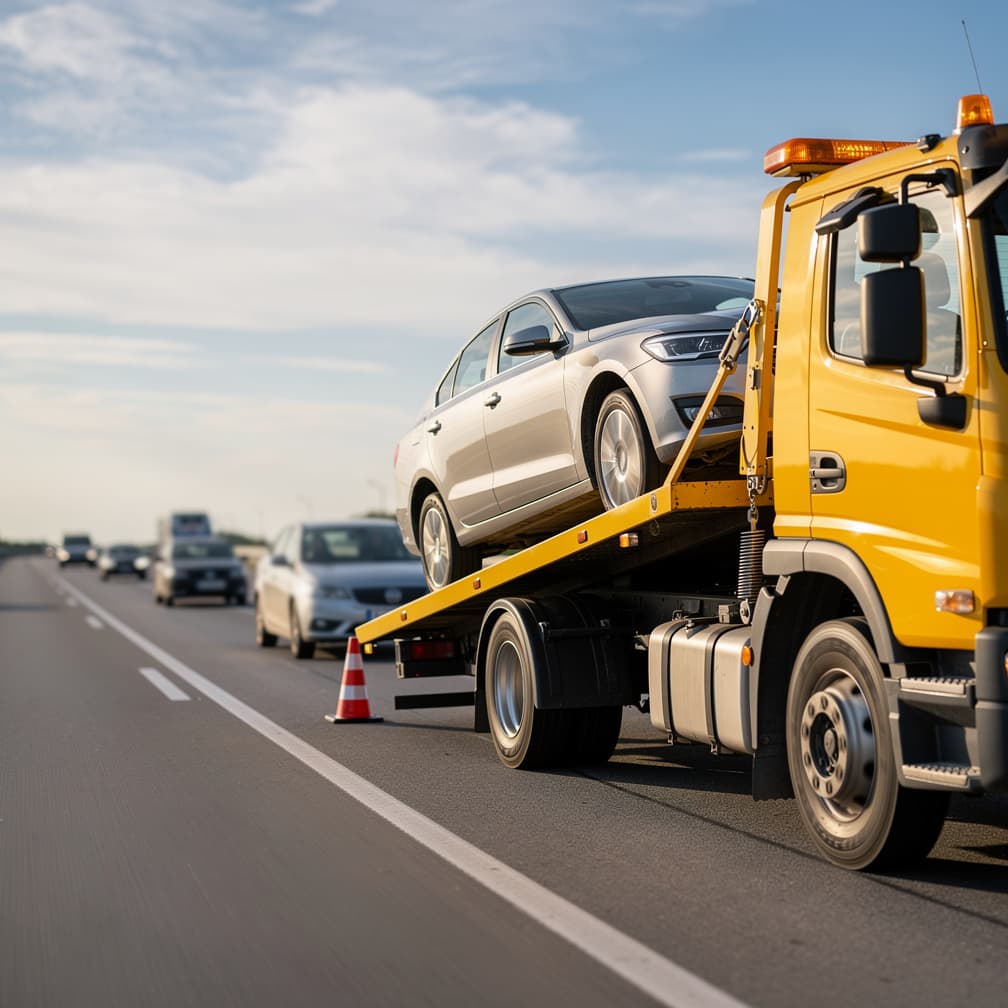
What matters is how carefully your policy terms line up with the jobs your trucks actually accept. That means reviewing how the insurer treats wheel-lift work versus flatbed work, whether loading and unloading language is clear, and how claim handling may differ when a vehicle is disabled, already damaged, stuck, or recovered from a difficult position.
In practice, many disputes start with condition questions. What damage existed before hookup, what happened during winching, and whether the driver followed a documented securement routine all come into play. Your policy review should focus on those operational pressure points.
Winter weather adds another layer. Snow, ice, standing water, and reduced visibility can turn a routine tow into a higher-severity claim if a vehicle shifts, slides, or makes contact during loading or unloading. Your procedures, driver training, and documentation matter more when you ask an agent to structure limits and deductibles.
You should also review how on-hook terms fit with the rest of your towing package so there are fewer surprises between roadside work, storage exposures, and liability claims. Ask for specimen wording or a plain-language explanation of what situations are included, what conditions apply, and what records you should keep in every truck before the next renewal decision.
Coverage Included
Collision on Hook
Covers damage to towed vehicles from collisions during transport.
Comprehensive on Hook
Covers theft, fire, and weather damage to vehicles being towed.
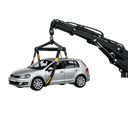
Loading & Unloading
Covers damage during the process of loading and unloading vehicles.
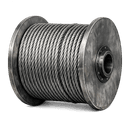
Winching Coverage
Covers damage to vehicles during winching and recovery operations.
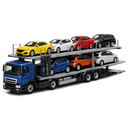
Multiple Vehicle
Covers all vehicles on multi-car carriers and rollback flatbeds.
Industries & Insurance Needs in Ann Arbor
Washtenaw County's establishment mix leans toward professional, scientific, and technical services at 15.7%, retail trade at 12.8%, and health care and social assistance at 12.6%, so local tow work often involves more than roadside breakdowns. You may be moving employee vehicles from office lots, clearing customer cars from retail properties, or handling calls connected to clinics and care facilities where access, timing, and documentation matter. That changes the insurance conversation because the claim is often about condition at pickup, not just what happened on the road. If your book includes private property impounds, lot enforcement, or vendor relationships with commercial sites, ask for wording and limits that match those assignments. A quote is more useful when it reflects who calls you, where vehicles are collected, and how often your drivers work around busy parking areas with cameras, witnesses, and tight maneuvering space.
What Makes Ann Arbor Different
A tow operator here often works around office parking, retail access lanes, medical buildings, and managed lots. The operating environment creates more opportunities for condition disputes than you might expect, especially on short tows and relocations where the customer assumes little could have happened. Customers, property managers, and fleet contacts may all want a clear account of the vehicle's condition before transport. If your work includes patrol towing, apartment enforcement, or vendor-driven dispatches, review whether your on-hook limit fits the kinds of vehicles you actually move and whether your procedures support the claim file if damage is alleged after release.
Our Recommendation for Ann Arbor
Start with your dispatch mix, not a generic towing application. Roadside recoveries, private property impounds, dealer or shop moves, and commercial lot calls each create a different pattern of attached-vehicle exposure, so break them out clearly. Ann Arbor's median household income is $81,089, which often means newer vehicles on the road and less tolerance for damage disputes. Ask how the policy responds to short-distance relocations, after-hours releases, and storage-yard transfers, since those are the moments when condition disputes often surface. Consistent photo procedures, pre-existing-damage notes before hookup when possible, and a standard release and notation routine for every driver will all support your position if a claim surfaces.
Get On-Hook Towing Insurance in Ann Arbor
Enter your ZIP code to compare on-hook towing insurance rates from carriers in Ann Arbor, MI.
Business insurance starting at $25/mo
FAQ
Frequently Asked Questions
With 8,209 business establishments in the county, local accounts manage vendors closely and want documentation before assigning work. If you tow for lots, shops, or property managers, bring your current policy details and ask whether your on-hook terms match those contracts.
Ann Arbor area towing often happens in managed parking areas where vehicle condition can be questioned by customers, tenants, or property staff. That makes photo documentation, driver notes, and a policy review for attached-vehicle claims more important than a generic limit discussion.
Washtenaw County's leading sectors are professional services, retail, and health care, so your agent should know if your calls come from office lots, stores, or care facilities. Those assignments can change how often you face short relocations and condition disputes.
Higher household earnings in the area often mean customers drive newer cars and expect careful handling. If you regularly move late-model vehicles, ask whether your on-hook limit and deductible still fit your actual exposure.
Yes. Towing liability and on-hook coverage address different loss scenarios. Liability responds to third-party claims, while on-hook may cover damage of the customer vehicle while it is in your care.
Snow and ice can change how underwriters look at loading, securement, visibility, and driver procedures. If your crews work in those conditions, provide clear documentation practices and service details so the quote reflects how claims are more likely to develop.
Buyers should send a truck schedule, service breakdown, driver list, loss history, and written loading and photo procedures. That gives the agent enough detail to separate flatbed transport from wheel-lift roadside work and ask for terms that fit each exposure.
Fleets often benefit from a closer review when flatbeds and wheel-lifts handle different job types. If one unit moves dealer vehicles and another handles urgent roadside or recovery work, ask whether your limits and deductibles still fit the vehicles each truck actually moves.
Sources
- 1.U.S. Census Bureau, County Business Patterns, Washtenaw County(Washtenaw County has 8,209 business establishments.; Washtenaw County's establishment mix leans toward professional, scientific, and technical services at 15.7%, retail trade at 12.8%, and health care and social assistance at 12.6%.)
- 2.U.S. Census Bureau, ACS 5-Year Estimates, table B19013(Ann Arbor's median household income is $81,089.)
Updated July 16, 2026