







































Updated July 16, 2026

Commercial Truck Insurance in Detroit
If you are shopping for commercial truck insurance in Detroit, the city's day-to-day operating conditions matter as much as your truck list and cargo. Detroit's economy runs on manufacturing, healthcare, retail, food service, and professional services. That mix generates constant short-haul freight movement, frequent dock activity, and tight delivery windows. The city saw 28,374 annual crashes in 2023, which means a single truck logging local miles passes through more high-risk intersections in a week than many interstate rigs see in a month. Detroit also carries a 24.2% uninsured driver rate, so your trucks regularly share the road with drivers who lack coverage of their own. An average commute of 29.4 minutes adds to the time your assets spend in dense traffic. That extra half-hour per trip compounds across a fleet, meaning more hours on the road and more chances for an incident per delivery. With an overall crime index of 123 and property crime above the national average, where trucks park and how often they stop can also affect what you should review before binding a policy. One overnight theft can wipe out months of premium savings, so parking location is a financial decision, not just a logistics one. For Detroit fleets and owner-operators, the right setup usually depends on routes, loading patterns, trailer use, and whether the truck is in dispatch or moving outside it.
Commercial Truck Insurance Risk Factors in Detroit
Detroit’s risk profile is shaped by heavy traffic exposure, frequent stop-and-go driving, and a high volume of crash activity. In 2023, the city recorded 28,374 annual crashes and 44 fatal crashes, which makes collision risk a practical issue for trucks running urban routes, yard moves, and delivery schedules. Weather also matters: local top risks include severe weather and flooding, and even a 5% flood-zone share can matter for vehicles, trailers, and cargo staged in low-lying areas. The city’s 24.2% uninsured driver rate raises the importance of truck liability insurance in Detroit because not every road user carries the same financial protection. Property crime is another factor, with an overall crime index of 123 and property crime rate of 2,157, so **physical damage coverage** for trucks in Detroit and cargo insurance for trucks in Detroit deserve close review when vehicles are parked overnight or left in busy industrial areas. For routes that cross dense corridors, downtime and repair exposure can be just as costly as the initial loss.
Michigan has a moderate climate risk rating. Top hazards: Severe Storm (High), Winter Storm (High), Flooding (Moderate), Tornado (Moderate). The state's expected annual loss from natural hazards is $1.4B, which influences commercial truck insurance premiums and may affect coverage availability in high-risk areas.
What Commercial Truck Insurance Covers
Michigan commercial truck insurance is built around the way your trucks actually operate, not just the vehicle type. For interstate and intrastate hauling, motor carrier liability is the core protection. The state's commercial auto minimums apply, while federal freight rules may require higher liability limits depending on the load. Cargo coverage can be added to protect freight in transit, which matters for carriers moving manufacturing goods, retail freight, refrigerated loads, or equipment through storm-prone areas and busy freight lanes. Physical damage coverage is commonly used to help with repair or replacement after collision losses, theft-related damage, or weather-related impacts. Given the state's history of harsh weather, reviewing these terms before binding is time well spent. Trailer interchange can matter if you haul under agreements that include non-owned trailers. Bobtail coverage or non-trucking liability can be relevant for owner-operators when the truck is being used outside dispatch. The Department of Insurance and Financial Services regulates the market, so endorsements, limits, and certificates should be reviewed carefully before binding.
Coverage Included

Motor Carrier Liability
Can help cover injuries and property damage your truck causes to others, a coverage federal regulators require most for-hire carriers to maintain.
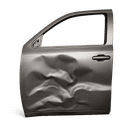
Physical Damage
Can help pay to repair or replace your own truck after an accident, fire, theft, or vandalism.
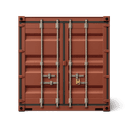
Cargo Coverage
May pay for damage to or theft of the freight you are hauling while it is in your care.
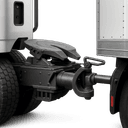
Trailer Interchange
Can help cover damage to trailers you haul under an interchange agreement but do not own.
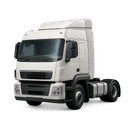
Bobtail Coverage
May provide liability protection when you drive your tractor without a trailer attached, such as after dropping off a load.

Non-Trucking Liability
Can help cover accidents that happen when you use your truck for personal errands rather than dispatched work.
Commercial Truck Insurance Cost in Detroit
Average Cost in Michigan
$430 - $1,225
per month
Businesses in Michigan typically see commercial truck insurance premiums of $430 - $1,225 per month, which tends to run 9% above the national range of $400 - $1,125 per month.
- Radius of operation
- Commodities hauled and cargo value
- Number and value of power units
- Driver motor vehicle records and CDL experience
- DOT safety record, inspections, and FMCSA scores
- Liability limits and physical damage deductibles
Contact CPK Insurance for a personalized quote.
Prices shown are general estimates, not guaranteed rates or quotes. Your actual premium will depend on the insurer, coverage selected, business details, location, claims history, and other underwriting factors. Learn about our pricing methodology.
Commercial truck insurance cost in Michigan is shaped by both the state market and your trucking profile. Average premiums run from $430 to $1,225 per month per truck, so shopping around is worth the effort. Factors that move the quote include coverage limits, deductibles, claims history, location, industry or risk profile, and policy endorsements. Severe weather can drive up physical damage and cargo claims, which directly affects your premium. If your operation runs through higher-traffic metro areas, near industrial zones, or on longer routes that face more exposure time, the quote may reflect that added risk. Premiums can also vary by truck type, whether you are an owner-operator or a fleet, and whether you need motor carrier liability, trailer interchange, or bobtail coverage. A personalized quote is the only way to see how these factors combine for your operation.
What Makes Detroit Different
What sets Detroit apart is how dense urban driving stacks on top of high claim exposure. When crash volume, uninsured driver rate, and crime index all run high, your motor carrier liability takes on a different shape than it would in a quieter market. The policy decision is not only about legal minimums or cargo value. It is also about how often the truck is exposed to collisions, theft-related damage, loading-zone incidents, and weather-related disruptions while moving through the city. Detroit's business mix adds another layer, because manufacturing and retail freight often requires repeated local stops, trailer handling, and tight turnaround times. In a city where your trucks hit high-frequency exposure daily, the odds of a loss add up faster than the size of any single claim.
Our Recommendation for Detroit
For Detroit buyers, start with the routes and parking pattern before you compare premiums. If your trucks spend time in dense delivery zones, industrial yards, or overnight lots, review physical damage and cargo protection alongside your liability policy. If you use trailers under interchange arrangements or move between dispatch and off-dispatch driving, confirm the policy language matches how the truck is actually used. Keep driver records, route details, and cargo descriptions consistent across applications so the quote reflects the real operation. For fleets, it can also help to compare deductibles against cash flow, since a lower premium only helps if the business can handle a loss event.
Get Commercial Truck Insurance in Detroit
Enter your ZIP code to compare commercial truck insurance rates from carriers in Detroit, MI.
Business insurance starting at $25/mo
FAQ
Frequently Asked Questions
Start with how and where the trucks operate in Detroit. Dense traffic, frequent stops, and overnight parking can make liability, physical damage, and cargo protection more important to review before price.
Detroit's **24.2% uninsured driver rate** means roughly one in four drivers on the road with your trucks has no coverage. That raises the chance your policy becomes the primary source of payment after a collision.
Yes. With an overall crime index of 123 and property crime above the national average, where you park trucks and trailers can influence how you think about physical damage and cargo coverage. A trailer left overnight in a high-theft area carries a different risk profile than one parked in a secured yard.
Manufacturing, healthcare, retail, food service, and professional services all create freight and delivery needs. Each industry moves different cargo on different schedules, which can call for truck liability, cargo, or physical damage coverage tailored to that freight type.
Compare quotes by coverage structure, not just price. Ask how each line is priced for your exact Detroit operation, including trailer use and whether you drive under dispatch or outside it.
It can be tailored to your trucking setup with motor carrier liability, physical damage, cargo coverage, trailer interchange, bobtail coverage, and non-trucking liability, depending on your specific operations.
Michigan's commercial auto minimums are listed at $50,000/$100,000/$10,000, and the policy must also fit your industry, business size, and any federal freight requirements that apply.
The average range is $430 to $1,225 per month per truck, and the final price depends on limits, deductibles, claims history, location, risk profile, and endorsements.
Updated July 16, 2026





