Updated July 16, 2026

Dealer Open Lot Insurance in Detroit
A Detroit quote needs a different review than one for another Michigan market, because local buying power and lot operations can change which units sit longest, how tightly you stack inventory, and what loss size your business can absorb before cash flow tightens. Detroit's median household income is $39,575, meaning buyers have less to spend and your inventory may skew toward lower-priced vehicles that sit longer and carry different theft exposure than a brand-new unit. If more of your inventory turns in lower price bands, you still need to look closely at total count, spacing, key control, and whether older units stay outside longer waiting for the right buyer. A useful quote review starts with your lot layout and theft-attractive units, then looks at overflow parking and how fast you can document values if several vehicles are damaged at once. Bring a current inventory schedule and ask for terms that match your actual turnover, not a generic dealer profile.
Dealer Open Lot Insurance Risk Factors in Detroit
Detroit's top risk factors include Severe weather, Property crime, Flooding, and Vehicle accidents.
Michigan has a moderate climate risk rating. Top hazards: Severe Storm (High), Winter Storm (High), Flooding (Moderate), Tornado (Moderate). The state's expected annual loss from natural hazards is $1.4B, which influences dealer open lot insurance premiums and may affect coverage availability in high-risk areas.
What Dealer Open Lot Insurance Covers
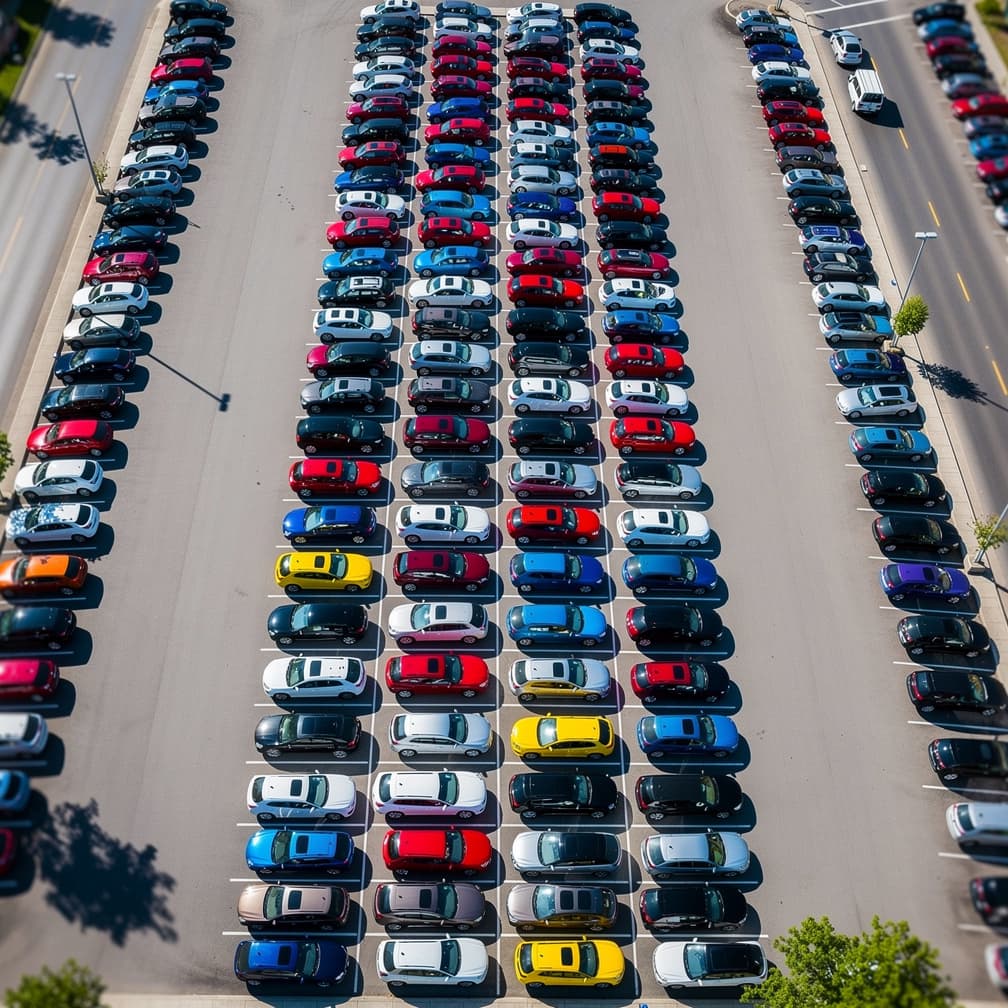
What matters in Michigan is not the basic idea of dealer open lot coverage, but how carefully the policy matches the way your inventory is actually spread, moved, and accumulated. A dealership with one fenced location presents a different underwriting picture than an operation that rotates units between a main lot, a reconditioning site, and an overflow storage address. Read the schedule, location descriptions, and any conditions tied to where vehicles are kept overnight before you assume the policy tracks your operation.
You should also review how the policy treats concentration at a single address. When your buying pattern causes inventory to build before a selling season, a limit that looked adequate a few months earlier may no longer match the total value exposed in one place. Ask for wording and limits that fit your real peak inventory, not just an average month. Michigan buyers should pay close attention to weather-related loss scenarios, theft controls, and fire exposure around outdoor storage. If units are stored near other businesses, tree lines, or areas with limited surveillance, document those conditions during the quote process. Make sure the carrier is pricing the lot you actually run, not an idealized version of it.
Before binding, request a plain-language review of offsite storage, temporary movement between addresses, and any restrictions that apply once a vehicle leaves the primary lot. Ask specifically about gap endorsements, named perils sublimits, and transit clauses, since those are the terms that tend to cause problems after a loss.
Coverage Included

Weather Damage
Covers hail, wind, flood, and storm damage to lot inventory.
Theft Protection
Covers vehicles stolen from your lot.

Fire Damage
Covers fire and explosion damage to inventory vehicles.

Vandalism
Covers intentional damage to vehicles on your lot.
Test Drive Coverage
Covers vehicles during customer and employee test drives.

Transit Coverage
Covers vehicles being moved between lot locations.
What Affects Dealer Open Lot Rates in Detroit
Detroit changes the cost conversation mainly through inventory strategy, not through a separate city rule. Many dealers here may carry a broader mix of older, lower priced, or higher mileage vehicles to meet local demand. That can affect how long certain units remain outdoors, how often inventory is repositioned, and how much value is concentrated in one section of the lot at any given time. For dealer open lot insurance, that matters because a slower-turning row of vehicles can stay exposed longer to the same theft, fire, or weather event. It also affects documentation after a loss, especially if values vary widely across the lot. Instead of asking only for a blanket limit, ask how the carrier wants inventory reported, how often values should be updated, and whether seasonal swings after tax refund season or auction buys should trigger a midterm review. That is often where a local quote becomes more accurate.
What Makes Detroit Different
What sets Detroit apart is how affordability shapes your inventory mix. That can push independent dealers toward inventory that fits tighter household budgets, including older vehicles, mixed-condition trade-ins, and units that may sit longer before sale. For dealer open lot coverage, the issue is not simply that values are lower. When some rows turn quickly while others sit for weeks, your concentration risk shifts toward the slow movers, and that is where theft and weather exposure add up. If your operation regularly carries a wide spread of vehicle ages and values, a quote should be built around that spread rather than a simple average unit value. Look at whether your highest-value vehicles are grouped together, where overflow inventory parks each night, and whether your schedule reflects recent auction purchases and retail sales.
Our Recommendation for Detroit
Start with your actual lot map, not just a vehicle count. If your inventory includes a mix of older daily drivers, recent trade-ins, and a few higher value units, ask the agent to review where those vehicles sit, how keys are controlled, and whether any overflow storage creates a separate concentration point. Wayne County has 33,343 business establishments, so dealers on shared corridors deal with neighboring traffic and after-hours activity that can affect lot security. Ask how neighboring businesses, shared driveways, and nighttime foot traffic factor into your quote. Before finalizing coverage, review reporting expectations for newly acquired units, confirm how temporary overflow locations are handled, and make sure your inventory records can be produced quickly after a loss. If your sales model depends on budget-conscious buyers, revisit limits whenever your mix shifts toward more units on hand, even if the average selling price stays modest.
Get Dealer Open Lot Insurance in Detroit
Enter your ZIP code to compare dealer open lot insurance rates from carriers in Detroit, MI.
Business insurance starting at $25/mo
FAQ
Frequently Asked Questions
Detroit dealers often feel that effect through inventory mix. If you stock older or slower-turning units, ask for a quote review built around turnover, spacing, and reporting practices, not just average vehicle value.
You may want to bring a current inventory schedule, a rough lot layout, and details on any overflow parking. That helps the quote reflect where vehicles are concentrated, how long they stay outside, and how values change after auction purchases or trade-ins.
Wayne County has 33,343 business establishments, so dealers in busy commercial areas deal with shared access and steady after-hours activity. That makes it smart to review fencing, lighting, key control, and how visitors or neighboring traffic interact with your lot.
Yes, because a mixed lot often means uneven values and different theft appeal by row. Ask how inventory should be reported and whether grouping higher value units together creates avoidable concentration.
Wayne County business patterns show retail trade at 17%, health care and social assistance at 12.7%, and other services at 11% of establishments. Those sectors employ workers who need dependable daily transportation, which can support commuter and budget vehicle demand. Review coverage when your lot shifts toward higher counts of practical daily-driver inventory.
Michigan buyers should compare quotes using the same inventory values, addresses, deductibles, and storage assumptions. If one quote is lower, check whether it narrowed offsite storage or used a smaller concentration of vehicles than you actually carry.
Yes. When vehicles sit overnight at an overflow yard, recon address, or other holding area, location accuracy becomes a key underwriting issue. Disclose those locations before binding and confirm the quote includes them.
Michigan dealers should prepare a current inventory report, peak value estimate, complete address list, and a summary of fencing, lighting, cameras, and key controls. That gives the underwriter a clearer picture of concentration and overnight storage exposure.
Sources
- 1.U.S. Census Bureau, ACS 5-Year Estimates, table B19013(Detroit median household income is $39,575.)
- 2.U.S. Census Bureau, County Business Patterns, Wayne County(Wayne County has 33,343 business establishments.; Wayne County business patterns show retail trade at 17%, health care and social assistance at 12.7%, and other services at 11% of establishments.)
Updated July 16, 2026