Updated July 16, 2026

Commercial Auto Insurance in Grand Rapids
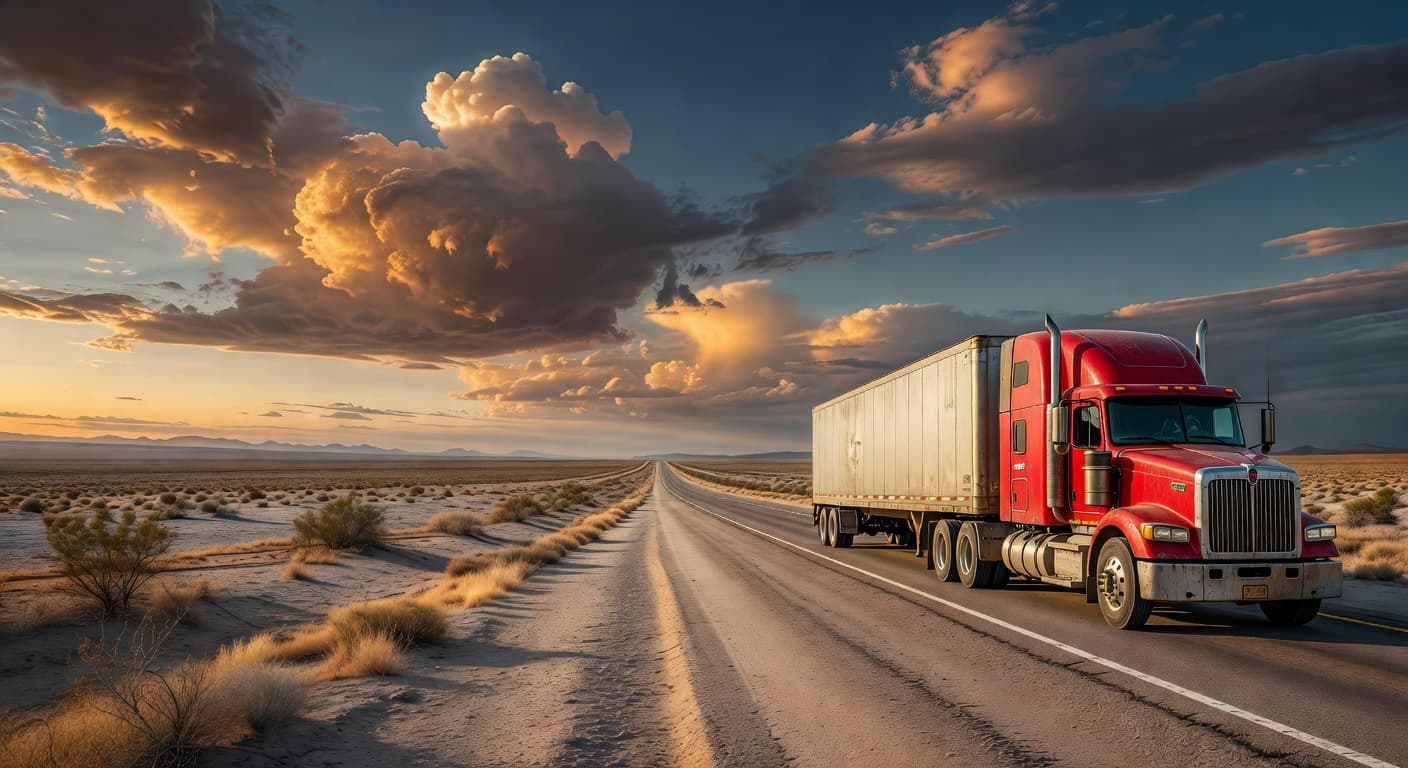
Your drivers may start the day loading tools near Wyoming, make retail deliveries toward Eastown, then cross the river for a service call before heading back to a leased yard or small warehouse. That operating pattern is why your policy should be reviewed around how vehicles are actually used here. Employee drivers, mixed personal and business use, short urban trips, parking at job sites, and cargo or equipment left in vans between stops each create distinct risks worth discussing with a participating provider. Kent County supports 17,562 business establishments. Put that many companies on the same customer corridors and parking lots, and the odds of low-speed collisions and backed-into equipment climb fast. Vehicle class, radius of operation, driver schedules, and hired or non-owned auto exposure all deserve a closer look as a result. If your business runs pickups, vans, or light trucks, request a quote that separates owned vehicles from employee cars used on errands. Check whether your limits still fit the contracts, delivery expectations, and job-site routines your team handles now.
Commercial Auto Insurance Risk Factors in Grand Rapids
Grand Rapids's top risk factors include Severe weather, Property crime, Flooding, and Vehicle accidents. Flooding can cause significant vehicle damage, make sure comprehensive coverage is included.
Michigan has a moderate climate risk rating. Top hazards: Severe Storm (High), Winter Storm (High), Flooding (Moderate), Tornado (Moderate). The state's expected annual loss from natural hazards is $1.4B, which influences commercial auto insurance premiums and may affect coverage availability in high-risk areas.
What Commercial Auto Insurance Covers
A business auto policy is built around business use, not personal errands, so it needs to match how the vehicle is registered, driven, and assigned. At a minimum, Michigan commercial vehicles must meet the state liability standard of $50,000/$100,000/$10,000. That means your policy may pay up to $50,000 per person and $100,000 per accident for bodily injury, plus $10,000 for property damage, which protects your business assets if your driver is at fault. All commercial vehicles must be registered with the Michigan DMV. That matters for owners running routes from Lansing to Ann Arbor, hauling inventory around the Detroit metro area, or making service calls in colder northern counties where winter storms can raise accident risk. The core protection usually includes liability for bodily injury and property damage, collision for crash-related damage to the insured vehicle, comprehensive for theft or weather-related losses, medical payments, and uninsured/underinsured motorist protection. Hired auto and non-owned auto coverage can extend protection to rented vehicles or employee-owned vehicles used for work, which is important when staff drive to client sites or make deliveries in their own cars.
Michigan's market also makes coverage selection more important because the state has a 25.5% uninsured driver rate, meaning roughly one in four drivers on the road lacks insurance. When a serious accident can cost tens of thousands of dollars, liability limits, deductibles, and endorsements should be chosen with local exposure in mind. Your policy should be reviewed carefully if your vehicles operate in severe storm corridors, on rural roads, or across a wide operating radius. Commercial truck insurance and fleet auto insurance in Michigan may need stronger limits than a single company car policy, especially if your vehicles are on the road daily.
Coverage Included

Bodily Injury Liability
Covers injuries you cause to others in an accident

Property Damage Liability
Covers damage you cause to others' property
Collision Coverage
Pays for damage to your vehicle in an accident

Comprehensive Coverage
Covers theft, vandalism, weather, and animal damage

Medical Payments
Covers medical costs for your drivers and passengers

Uninsured Motorist
Protection when the other driver lacks insurance
Hired & Non-Owned Auto
Covers rented or employee-owned vehicles used for work
Commercial Auto Insurance Cost in Grand Rapids
Average Cost in Michigan
$140 - $440
per month
Businesses in Michigan typically see commercial auto insurance premiums of $140 - $440 per month, which tends to run 5% above the national range of $140 - $410 per month.
- Fleet size and vehicle types
- Driver records and experience
- Coverage limits and deductibles
- Business industry and use
- Annual mileage and operating radius
- Claims history
Rates based on small business averages. Your actual premium may vary.
Prices shown are general estimates, not guaranteed rates or quotes. Your actual premium will depend on the insurer, coverage selected, business details, location, claims history, and other underwriting factors. Learn about our pricing methodology.
Commercial auto insurance cost in Michigan is shaped by both business use and the state's higher-than-national premium environment. Per-vehicle pricing depends on factors like vehicle type, fleet size, garaging location, driver history, operating radius, limits, deductibles, and claims history. Michigan's market is above the national average, but it is competitive with hundreds of active insurers vying for business.
Several Michigan factors can push premiums up or down. Fleet size and vehicle types matter, especially for mixed fleets with vans, pickups, and specialty vehicles. Driver records and experience are important because Michigan logged 312,000 crashes in 2023, with drowsy driving, speeding, and reckless driving among the top causes. With that many crashes, carriers pay close attention to driver history. If your drivers have clean records, you may see a meaningful pricing difference. Coverage limits and deductibles also affect pricing, and businesses choosing higher limits to better match local accident severity may pay more. Operating radius matters too, since a company running across metro Detroit and the I-75 corridor may face different pricing than one staying within a smaller local area. Claims history is another key factor, and Michigan's severe weather and flooding exposure can influence comprehensive-related pricing.
For planning purposes, the average premium range of $140 to $440 per month is a useful benchmark, but the lowest premium is not always the most practical fit. Business auto insurance in Michigan should be priced against actual exposure, not just monthly cost.
Industries & Insurance Needs in Grand Rapids
Kent County business mix is the part that changes demand here. Retail trade accounts for 12.3% of county establishments, health care and social assistance 11%, and professional, scientific, and technical services 10.7%, so many local fleets are not long haul operations. They are store deliveries, mobile service calls, home visits, sales travel, and staff running between offices, clients, and suppliers in the same day. That matters because a commercial auto quote should not be built only around vehicle type. It should also reflect stop frequency, who drives, whether employees use their own cars for work, and whether tools, samples, or small inventory stay in the vehicle. If your operation looks light-duty on paper but your team makes constant short trips and parks at multiple locations, ask to review liability limits, physical damage deductibles, and hired and non-owned auto wording together instead of treating them as separate decisions.
What Makes Grand Rapids Different
In a market anchored by service calls, retail runs, and office-to-client travel, your exposure often comes less from mileage alone and more from how often vehicles start, stop, park, back up, and change drivers during a normal week. Grand Rapids buyers often have a mix of owned vans or pickups plus employee vehicles used for bank deposits, supply pickups, or client visits, and that creates gaps if the policy only focuses on titled company vehicles. Where vehicles are kept overnight, whether tools or stock stay inside, who is allowed to drive, and whether seasonal or part-time staff ever get behind the wheel all matter. If your business has grown from one owner-operated truck to several drivers and scattered stops, that operational change is usually the first thing to correct before renewal.
Our Recommendation for Grand Rapids
A vehicle schedule should match the way your business runs today, not the way it ran a year ago. List each pickup, van, or light truck by use, parking location, cargo type, and whether employees ever take it home. Then review driver assignments, because a local fleet with shared vehicles can drift away from the driver list faster than owners realize. If staff use personal cars for errands or client meetings, hired and non-owned auto coverage can help prevent a claim from falling into a gap between business and personal policies. If you keep tools, parts, or small inventory in vehicles between stops, you can ask how those items are treated and where separate inland marine or equipment coverage may need to pick up the gap. Grand Rapids households report a median income of $65,526. At that level, many owners watch every dollar, so a rate increase after a single claim can push them to shop for alternatives. Before you bind, compare limits and deductibles against the contracts and service promises your vehicles support every week.
Get Commercial Auto Insurance in Grand Rapids
Enter your ZIP code to compare commercial auto insurance rates from carriers in Grand Rapids, MI.
Business insurance starting at $25/mo
FAQ
Frequently Asked Questions
Fleet size matters less than what those vehicles do during the workday. A single pickup hauling tools to job sites faces different risks than the same truck used strictly for commuting. If you haul tools, make deliveries, or send employees to job sites, review a policy built for those driving patterns.
Kent County has 17,562 business establishments. That many companies sharing the same roads and parking areas means more chances for low-speed contact with other commercial vehicles. Driver lists, liability limits, and hired or non-owned auto become especially important to check in that environment.
Service firms often rely on employee cars for errands, estimates, or client visits. If that happens even occasionally, hired and non-owned auto can help prevent a claim from falling into a gap between business and personal policies.
Kent County is led by retail trade at 12.3%, health care and social assistance at 11%, and professional, scientific, and technical services at 10.7%. Those sectors tend to generate frequent short trips and multi-stop driving rather than long highway routes. Your use class and driver exposure may reflect that stop-and-go pattern.
Reviewing before every renewal and again after any **operational change** can help keep your policy aligned with how your business actually runs. New drivers, take-home vehicles, added service territory, or tools left in vans overnight can alter exposure before the vehicle count changes.
In Michigan, your policy can help cover liability, collision, comprehensive, medical payments, and uninsured/underinsured motorist protection, with hired auto and non-owned auto options available when the business uses rented or employee-owned vehicles.
Michigan requires commercial vehicles to meet the $50,000/$100,000/$10,000 liability minimum and be registered with the Michigan DMV. Uninsured/underinsured motorist coverage may also be required depending on the policy setup.
Small-business averages commonly run about $140 to $440 per vehicle per month, depending on vehicle type, drivers, mileage, and claims history.
Sources
- 1.U.S. Census Bureau, County Business Patterns, Kent County(Kent County supports 17,562 business establishments, so local roads carry a dense mix of contractors, retailers, health care support vehicles, and professional service fleets that share the same customer corridors and parking lots before and after business hours.; Retail trade accounts for 12.3% of county establishments, health care and social assistance 11%, and professional, scientific, and technical services 10.7%, so many local fleets are not long haul operations.)
- 2.U.S. Census Bureau, ACS 5-Year Estimates, table B19013(Grand Rapids households report a median income of $65,526, so missed appointments, delayed deliveries, and at-fault losses can quickly affect customer retention in a price-aware market.)
Updated July 16, 2026