








































Updated July 16, 2026

Commercial Truck Insurance in Sterling Heights
Operating costs here start with the households and customers you serve. Sterling Heights has a median household income of $78,429, so your clients likely have the budget to demand higher coverage standards before they hand you a contract. In practical terms, many contractors, delivery operators, and service fleets work for customers who expect punctual arrivals, presentable equipment, and limits high enough that a claim can help avoid stalling a job or contract. That is why your policy is often less about buying the bare minimum and more about matching deductibles, physical damage, hired and non-owned auto, and liability limits to the work you actually take on.
A local review should look closely at where your vehicles sit overnight. The same review needs to account for pickups and vans moving between residential neighborhoods and commercial corridors in the same day, plus how often employees use personal vehicles for errands, estimates, or parts runs. If one accident could interrupt scheduled work for a week, a lower deductible may matter more than a small premium reduction. If you bid larger jobs or serve higher-value customers, stronger liability limits may be worth quoting side by side before renewal.
Commercial Truck Insurance Risk Factors in Sterling Heights
Sterling Heights's top risk factors include Severe weather, Property crime, Flooding, and Vehicle accidents.
Michigan has a moderate climate risk rating. Top hazards: Severe Storm (High), Winter Storm (High), Flooding (Moderate), Tornado (Moderate). The state's expected annual loss from natural hazards is $1.4B, which influences commercial truck insurance premiums and may affect coverage availability in high-risk areas.
What Commercial Truck Insurance Covers
Michigan commercial truck insurance is built around the way your trucks actually operate, not just the vehicle type. For interstate and intrastate hauling, motor carrier liability is the core protection. The state's commercial auto minimums apply, while federal freight rules may require higher liability limits depending on the load. Cargo coverage can be added to protect freight in transit, which matters for carriers moving manufacturing goods, retail freight, refrigerated loads, or equipment through storm-prone areas and busy freight lanes. Physical damage coverage is commonly used to help with repair or replacement after collision losses, theft-related damage, or weather-related impacts. Given the state's history of harsh weather, reviewing these terms before binding is time well spent. Trailer interchange can matter if you haul under agreements that include non-owned trailers. Bobtail coverage or non-trucking liability can be relevant for owner-operators when the truck is being used outside dispatch. The Department of Insurance and Financial Services regulates the market, so endorsements, limits, and certificates should be reviewed carefully before binding.
Coverage Included

Motor Carrier Liability
Can help cover injuries and property damage your truck causes to others, a coverage federal regulators require most for-hire carriers to maintain.
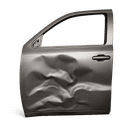
Physical Damage
Can help pay to repair or replace your own truck after an accident, fire, theft, or vandalism.
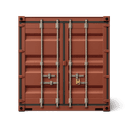
Cargo Coverage
May pay for damage to or theft of the freight you are hauling while it is in your care.
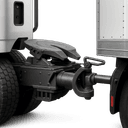
Trailer Interchange
Can help cover damage to trailers you haul under an interchange agreement but do not own.

Bobtail Coverage
May provide liability protection when you drive your tractor without a trailer attached, such as after dropping off a load.

Non-Trucking Liability
Can help cover accidents that happen when you use your truck for personal errands rather than dispatched work.
Commercial Truck Insurance Cost in Sterling Heights
Average Cost in Michigan
$430 - $1,225
per month
Businesses in Michigan typically see commercial truck insurance premiums of $430 - $1,225 per month, which tends to run 9% above the national range of $400 - $1,125 per month.
- Radius of operation
- Commodities hauled and cargo value
- Number and value of power units
- Driver motor vehicle records and CDL experience
- DOT safety record, inspections, and FMCSA scores
- Liability limits and physical damage deductibles
Contact CPK Insurance for a personalized quote.
Prices shown are general estimates, not guaranteed rates or quotes. Your actual premium will depend on the insurer, coverage selected, business details, location, claims history, and other underwriting factors. Learn about our pricing methodology.
Commercial truck insurance cost in Michigan is shaped by both the state market and your trucking profile. Average premiums run from $430 to $1,225 per month per truck, so shopping around is worth the effort. Factors that move the quote include coverage limits, deductibles, claims history, location, industry or risk profile, and policy endorsements. Severe weather can drive up physical damage and cargo claims, which directly affects your premium. If your operation runs through higher-traffic metro areas, near industrial zones, or on longer routes that face more exposure time, the quote may reflect that added risk. Premiums can also vary by truck type, whether you are an owner-operator or a fleet, and whether you need motor carrier liability, trailer interchange, or bobtail coverage. A personalized quote is the only way to see how these factors combine for your operation.
Industries & Insurance Needs in Sterling Heights
Macomb County has 19,506 business establishments, so local trucking demand is not limited to one trade or one shipping pattern. A truck policy here often needs to account for mixed use: contractor pickups carrying tools in the morning, vans making retail or service stops in the afternoon, and vehicles crossing county lines for suppliers, job sites, or customer calls.
The county mix also matters. Health care and social assistance account for 14% of establishments, retail trade 13.8%, and construction 10.6%. That spread creates different insurance pressure points, so you should ask for a quote built around your actual operations, not a generic class code assumption. Construction fleets may need closer review of attached equipment, trailer use, and employee driving records. Retail and service operators may need to focus more on frequent stops, loading activity, and whether any employee-owned vehicles create a hired and non-owned auto exposure.
What Makes Sterling Heights Different
What shifts the buying calculus here is how often a single truck bounces between a residential driveway, a supply house, and a commercial job site in the same afternoon. In a market tied to residential service work, retail activity, and contractor movement across Macomb County, many businesses are not running long-haul tractors with one predictable route. They run pickups, vans, and light or medium trucks that shift between errands, deliveries, estimates, supply runs, and job-site visits in the same week.
A vehicle titled to the business but used by multiple employees can create claim friction at the worst time. The same is true for a personal pickup occasionally used to haul materials or a trailer that is not scheduled correctly. Map each vehicle to its real use, driver set, radius, and attached equipment. Then compare limits and endorsements against those facts. If your operation has grown informally over time, this city is a good place to clean up classifications before a loss exposes the gaps.
Our Recommendation for Sterling Heights
Start with a vehicle-by-vehicle review instead of asking for one blanket quote. For each unit, capture the assigned driver, overnight parking location, towing use, cargo type, and any personal-vehicle use for business tasks. That usually surfaces the endorsements worth pricing, especially hired and non-owned auto, trailer interchange if applicable, and physical damage deductibles that fit your cash flow.
If you serve property owners, general contractors, medical offices, or retail locations, ask for liability limit options side by side rather than defaulting to the lowest acceptable number. Better limits can help when a contract, vendor packet, or claim severity pushes beyond a minimal setup. You should also review certificates, additional insured requests, and loss runs before renewal so the quote reflects how you operate now, not how the business looked a few years ago. When you request a marketplace comparison, bring current driver lists, VINs, garaging details, and any contract insurance requirements with you.
Get Commercial Truck Insurance in Sterling Heights
Enter your ZIP code to compare commercial truck insurance rates from carriers in Sterling Heights, MI.
Business insurance starting at $25/mo
FAQ
Frequently Asked Questions
Sterling Heights service fleets often do. With local customers tied to a median household income of $78,429, missed work and property damage can carry bigger contract consequences. The takeaway is that wealthier clients tend to require higher coverage limits before signing contracts, so it is smart to compare higher liability limits, physical damage, and hired and non-owned auto.
It does. The county has 19,506 business establishments, so your trucks may serve a wide mix of commercial accounts rather than one steady client type. That variety makes vehicle use, driver mix, and stop frequency important details to review on a quote.
Sterling Heights contractors should review trailer scheduling, attached tools or equipment that may need separate treatment, and whether employee driving patterns match the policy. Construction makes up 10.6% of county establishments, so contractor-style exposures are common here.
Macomb County industry mix matters because health care and social assistance are 14% of establishments, retail trade is 13.8%, and construction is 10.6%. **That variety means your trucks likely face frequent stops, delivery pressure, and contractor use patterns that should shape classifications and endorsements.**
It can be tailored to your trucking setup with motor carrier liability, physical damage, cargo coverage, trailer interchange, bobtail coverage, and non-trucking liability, depending on your specific operations.
Michigan's commercial auto minimums are listed at $50,000/$100,000/$10,000, and the policy must also fit your industry, business size, and any federal freight requirements that apply.
The average range is $430 to $1,225 per month per truck, and the final price depends on limits, deductibles, claims history, location, risk profile, and endorsements.
Many Michigan trucking operations need motor carrier liability as the base, then add cargo if they haul goods and physical damage if they want protection for the truck itself after a covered loss.
Sources
- 1.U.S. Census Bureau, ACS 5-Year Estimates, table B19013(With a median household income of $78,429 here, many contractors, delivery operators, and service fleets are working for clients who expect you to show up on time, keep equipment presentable, and carry limits that make a claim less likely to stall a job or contract.)
- 2.U.S. Census Bureau, County Business Patterns, Macomb County(Macomb County has 19,506 business establishments, so local trucking demand is not limited to one trade or one shipping pattern.; Health care and social assistance account for 14% of establishments, retail trade 13.8%, and construction 10.6%.)
Updated July 16, 2026





