







































Updated July 5, 2026

Inland Marine Insurance in Warren
Mobile property concentration is the key difference here. Inland marine insurance in Warren often needs closer scheduling and transit detail because many local businesses operate in a dense service, retail, and contractor environment where tools, diagnostic equipment, stocked materials, and customer property move between shops, vehicles, temporary sites, and offsite storage during a normal week. That creates more handoffs, more short-term staging, and more chances for a loss to happen away from your main address.
The county containing Warren has 19,506 business establishments, so vendors, subcontractors, and service firms often work through busy local routes and shared commercial corridors rather than from one fixed premises all day. If your property travels with technicians, sits in a trailer overnight, or rotates between a warehouse and active jobs, your quote should match that pattern item by item. Bring a current equipment list, note the highest-value items that leave the shop, and flag any property you borrow, lease, install, or hold for a customer before you request terms.
Inland Marine Insurance Risk Factors in Warren
Warren's top risk factors include Severe weather, Property crime, Flooding, and Vehicle accidents.
Michigan has a moderate climate risk rating. Top hazards: Severe Storm (High), Winter Storm (High), Flooding (Moderate), Tornado (Moderate). The state's expected annual loss from natural hazards is $1.4B, which influences inland marine insurance premiums and may affect coverage availability in high-risk areas.
What Inland Marine Insurance Covers
In Michigan, this coverage is designed for business property that is not tied to one permanent location, including tools, equipment, materials, and goods moving between sites. The core protection usually includes tools and equipment insurance, goods in transit coverage, contractors equipment insurance, installation floater coverage, and builders risk coverage when the policy is written for that exposure. It follows property at job sites, in temporary storage, and while being transported over land. That is important for work around the state where projects often shift locations.
Michigan does not have a statewide minimum mandate, but the Michigan Department of Insurance and Financial Services regulates the market. Policy wording, endorsements, and exclusions can vary by carrier and by business class. You should confirm whether items are covered for theft, damage, vandalism, and other perils while away from the primary premises, especially if your property is stored in trailers, on unsecured sites, or in temporary facilities. Coverage requirements may vary by industry and business size, so a contractor, installer, or mobile service business should review schedules, item values, and any offsite storage terms before binding. Because the state's severe storm and winter storm risk is high, and flooding and tornado risk are also present, the details of where property sits overnight can matter as much as where it is used during the day.
Coverage Included
Tools & Equipment
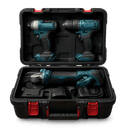
Can help repair or replace hand tools, power tools, and gear that are stolen or damaged on the job or in transit.

Goods in Transit
May cover products, materials, and merchandise while they are being shipped or hauled between locations in your care.
Contractors Equipment
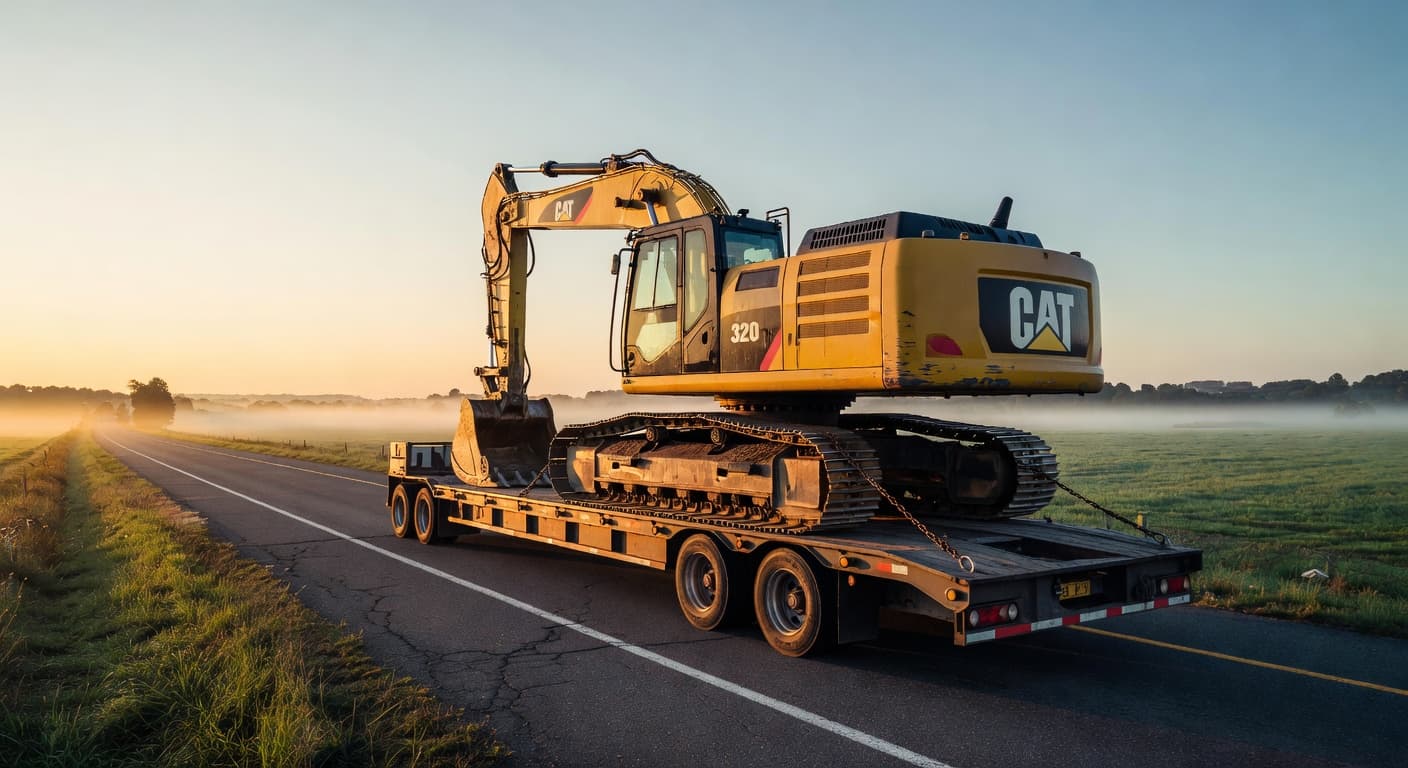
Typically covers heavy machinery like excavators, loaders, and generators against theft or damage at job sites and between them.
Installation Floater
Can help cover materials and fixtures from the moment you buy them until they are installed and accepted at a project.
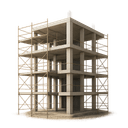
Builders Risk
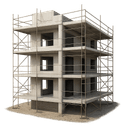
May cover a structure under construction, along with materials on site, against damage from fire, wind, theft, and vandalism.
Inland Marine Insurance Cost in Warren
Average Cost in Michigan
$20 - $90
per month
Businesses in Michigan typically see inland marine insurance premiums of $20 - $90 per month, which tends to run 8% below the national range of $20 - $100 per month.
- Total insured value of the scheduled property
- Type and age of the equipment
- Where it is stored and how far it travels
- Jobsite security and theft prevention
- Per-item limits and deductibles
- Prior theft and in-transit losses
Contact CPK Insurance for a personalized quote.
Prices shown are general estimates, not guaranteed rates or quotes. Your actual premium will depend on the insurer, coverage selected, business details, location, claims history, and other underwriting factors. Learn about our pricing methodology.
For Michigan businesses, the average premium range runs from $20 to $90 per month, which is higher than the broader product range shown nationally. Michigan runs 34% above the national level for this product, and the state's premium index is 134. It does not mean every policy will land near the top of the range. It means the final cost depends heavily on the exact mix of property, locations, and risk controls.
The biggest pricing drivers here are coverage limits and deductibles, claims history, location, industry or risk profile, and policy endorsements. A contractor with expensive portable equipment moving through multiple job sites, temporary storage spaces, and active work zones may see different pricing than a business with lighter mobile property and fewer transfers. Michigan's climate profile also matters. Severe storm and winter storm risk is high, flooding is moderate, and tornado risk is moderate, so carriers may look closely at how often property is exposed outdoors or left in transit during harsh weather. Theft can also influence pricing for tools and equipment, especially when gear is stored offsite or in vehicles overnight. If you want a precise quote, the best starting point is a carrier comparison built around your item list, values, storage practices, and any installation floater or builders risk exposure you need.
Industries & Insurance Needs in Warren
County business mix is what changes demand here. In the county containing Warren, health care and social assistance account for 14% of establishments, retail trade 13.8%, and construction 10.6%, so inland marine questions often center on portable medical devices, inventory in transit, installation materials, contractor tools, and equipment that spends part of the day in a vehicle or at a temporary location. Those are different movement patterns, and they should be described differently on an application.
If you run a clinic support business, a retail operation with frequent transfers, or a contracting company, do not rely on a vague description like "business equipment." Break out what is mobile, what is scheduled, what is jobsite property, and what belongs to customers. That gives you a cleaner review of limits, deductibles, and any sublimits that could matter once property leaves your main premises.
What Makes Warren Different
Mobile property density is the real difference. Here, the issue is not simply whether your business owns tools or equipment, but how often those items leave a fixed address and pass through vehicles, temporary sites, customer locations, or short-term storage before returning. In a market tied to a large county business base, that movement can be routine even for companies that do not think of themselves as mobile operations.
That matters because inland marine buying decisions become more about classification and documentation than broad yes-or-no eligibility. A contractor may need tools and installation materials reviewed separately. A retailer may need attention on stock moving between locations or to events. A service firm may need customer property and employee-carried equipment discussed clearly. The practical takeaway is simple: map where property starts the day, where it goes, who has custody, and where it stays overnight. That operating map usually tells you what to ask an agent to review.
Our Recommendation for Warren
Start with the property that would interrupt revenue if it were stolen, damaged, or lost away from your main location. For many local businesses, that means diagnostic devices, contractor tools, installation materials, inventory in transit, or customer property in your care. List those items first, then separate what stays on premises from what regularly travels.
Next, review custody and storage. If equipment is left in vans, trailers, or temporary sites, say so directly. If employees carry laptops, testing gear, or specialized instruments between appointments, note the usual transit pattern and the highest total value out at one time. Warren median household income is $63,741, so many buyers here are balancing protection against a tight operating budget and may be tempted to understate values to hold premium down. That can create a harder claim conversation later. A better approach is to prioritize the items you cannot easily replace, confirm how they move, and request a quote built around those exposures first.
Get Inland Marine Insurance in Warren
Enter your ZIP code to compare inland marine insurance rates from carriers in Warren, MI.
Business insurance starting at $25/mo
FAQ
Frequently Asked Questions
Warren businesses with property that leaves a fixed address should review it first, especially contractors, service firms, retailers, and companies handling customer equipment. If tools, materials, or stock move daily, ask for a quote built around transit, temporary locations, and overnight storage.
Warren contractors often create a different underwriting picture when tools and materials stay in trucks, vans, or trailers between jobs. Describe what travels, the highest value out at one time, and where it is stored overnight before you compare terms.
Macomb County business mix matters because health care and social assistance are 14% of establishments, retail trade 13.8%, and construction 10.6%. That concentration points to more portable equipment, stock in transit, and jobsite materials, so classification details deserve a closer review.
Warren retailers and service firms should start with the property that would slow operations immediately if lost away from the premises, such as mobile inventory, diagnostic gear, specialized tools, or customer property. A current itemized list makes the quote review more accurate.
Macomb County has 19,506 business establishments, which means many firms work through shared vendors, deliveries, and temporary sites rather than one static location. If your property changes hands or locations often, document those movements before requesting terms.
Your policy may cover scheduled mobile property such as tools, equipment, and materials while they are in transit, at job sites, or in temporary storage. This is especially useful for Michigan businesses that work across multiple locations.
It is designed to follow covered property away from a fixed premises, so if your tools or materials are stored at a Lansing, Detroit, or Grand Rapids job site, the policy can be structured around that offsite exposure.
Contractors, installers, manufacturers, and businesses that ship or move mobile business property often need it most, especially when their equipment regularly leaves a fixed location.
Sources
- 1.U.S. Census Bureau, County Business Patterns, Macomb County(The county containing Warren has 19,506 business establishments, so vendors, subcontractors, and service firms often work through busy local routes and shared commercial corridors rather than from one fixed premises all day.; In the county containing Warren, health care and social assistance account for 14% of establishments, retail trade 13.8%, and construction 10.6%, so inland marine questions often center on portable medical devices, inventory in transit, installation materials, contractor tools, and equipment that spends part of the day in a vehicle or at a temporary location.)
- 2.U.S. Census Bureau, ACS 5-Year Estimates, table B19013(Warren median household income is $63,741, so many buyers here are balancing protection against a tight operating budget and may be tempted to understate values to hold premium down.)
Updated July 5, 2026





