Updated July 16, 2026

On-Hook Towing Insurance in Warren
Property budgets shape towing decisions here before a truck ever rolls. With Warren median household income at $63,741, many customer vehicles you pick up belong to owners who feel a repair delay, storage dispute, or damage claim immediately. That income level means a disputed $500 storage charge can become a formal complaint faster than it would in a higher income area. Your on-hook towing insurance should be reviewed with realistic per-vehicle limits and a deductible you can absorb during a tight month. Apartment tows, breakdown recoveries on busy commercial corridors, and dealer or shop moves each carry different severity potential, and a single mistake can turn into a customer-service problem fast. If your operation mixes consent tows, private property impounds, and transport for repair facilities, ask for quote options that separate routine passenger-vehicle work from any heavier or higher-value units you occasionally accept.
On-Hook Towing Insurance Risk Factors in Warren
Warren's top risk factors include Severe weather, Property crime, Flooding, and Vehicle accidents.
Michigan has a moderate climate risk rating. Top hazards: Severe Storm (High), Winter Storm (High), Flooding (Moderate), Tornado (Moderate). The state's expected annual loss from natural hazards is $1.4B, which influences on-hook towing insurance premiums and may affect coverage availability in high-risk areas.
What On-Hook Towing Insurance Covers
What matters is how carefully your policy terms line up with the jobs your trucks actually accept. That means reviewing how the insurer treats wheel-lift work versus flatbed work, whether loading and unloading language is clear, and how claim handling may differ when a vehicle is disabled, already damaged, stuck, or recovered from a difficult position.
In practice, many disputes start with condition questions. What damage existed before hookup, what happened during winching, and whether the driver followed a documented securement routine all come into play. Your policy review should focus on those operational pressure points.
Winter weather adds another layer. Snow, ice, standing water, and reduced visibility can turn a routine tow into a higher-severity claim if a vehicle shifts, slides, or makes contact during loading or unloading. Your procedures, driver training, and documentation matter more when you ask an agent to structure limits and deductibles.
You should also review how on-hook terms fit with the rest of your towing package so there are fewer surprises between roadside work, storage exposures, and liability claims. Ask for specimen wording or a plain-language explanation of what situations are included, what conditions apply, and what records you should keep in every truck before the next renewal decision.
Coverage Included

Collision on Hook
Covers damage to towed vehicles from collisions during transport.

Comprehensive on Hook
Covers theft, fire, and weather damage to vehicles being towed.
Loading & Unloading
Covers damage during the process of loading and unloading vehicles.
Winching Coverage
Covers damage to vehicles during winching and recovery operations.
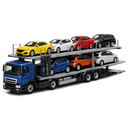
Multiple Vehicle
Covers all vehicles on multi-car carriers and rollback flatbeds.
Industries & Insurance Needs in Warren
Macomb County business density changes who you tow for and how often customer vehicles are in your care. The county has 19,506 business establishments, so a local towing operation may be serving a wide mix of repair shops, retailers, medical offices, contractors, landlords, and fleet users that need fast removal or transport with clear proof of coverage. The county mix also matters: health care and social assistance accounts for 14% of establishments, retail trade 13.8%, and construction 10.6%. That means your on-hook exposure may not come only from roadside calls. It can also come from parking enforcement near service locations, vehicle moves tied to retail lots, and contractor pickups where work trucks and vans carry higher claim stakes than a standard commuter car. Ask for a quote built around your actual dispatch mix, especially if commercial-unit tows are a meaningful share of your week.
What Makes Warren Different
A routine call can shift into something with higher stakes before your driver finishes the hookup. In a market tied closely to countywide retail, health care, and construction activity, a tow company can move from a routine passenger-car hookup to a contractor van or business-use pickup without much warning. On-hook losses are judged vehicle by vehicle, and the right limit for a compact sedan may look thin once your calls include work vehicles, loaded service vans, or units needed back on the road quickly. What matters is whether your book of business changes by property type, account type, and time of day. If your drivers rotate between private property work, shop-to-shop transport, and commercial account calls, review whether one flat limit still fits the vehicles you actually accept. If not, ask for higher-limit options and clear terms around attached, lifted, and transported autos.
Our Recommendation for Warren
Pull your last few months of dispatches and sort them by vehicle type, tow source, and account relationship. That simple review usually shows whether your current on-hook limit is built for ordinary passenger vehicles or whether local commercial work is quietly increasing claim severity. Next, compare deductibles against what your business can pay without delaying repairs, payroll, or release procedures after a loss. If you tow for property managers, repair facilities, or business accounts, ask your agent to review how customer vehicles are described on the application so the quote matches actual operations. Occasional higher-value or business-use vehicles may warrant a different limit request rather than being absorbed into a one-size-fits-all setup. If a policy term is unclear, use the Michigan Department of Insurance and Financial Services as a reference point for terminology, then request written clarification before binding coverage.
Get On-Hook Towing Insurance in Warren
Enter your ZIP code to compare on-hook towing insurance rates from carriers in Warren, MI.
Business insurance starting at $25/mo
FAQ
Frequently Asked Questions
Warren operators should base the limit on the vehicles they actually pick up, not a generic towing assumption. A disputed $500 storage charge can become a formal complaint faster than it would in a higher income area, so your per-vehicle limit needs to reflect what a real loss could cost you.
Macomb County has 19,506 business establishments, which means your calls for shops, landlords, retailers, and commercial accounts may come more often than in a smaller market. That mix can increase the share of business-use vehicles in your care, so limit selection deserves a closer review.
County establishments are concentrated in health care and social assistance at 14%, retail trade at 13.8%, and construction at 10.6%, which means service vans, pickups, and work vehicles likely show up in your yard more often than the averages suggest. A loaded contractor van tied to an active job site carries a higher replacement value than a commuter sedan, which means the same per-vehicle limit may leave you short.
Private property operators often benefit from testing the deductible against monthly cash flow, not just premium. If one attached-vehicle claim would strain truck payments or yard expenses, a lower deductible may be easier to manage even if the quote changes.
Yes. Towing liability and on-hook coverage address different loss scenarios. Liability responds to third-party claims, while on-hook may cover damage of the customer vehicle while it is in your care.
Snow and ice can change how underwriters look at loading, securement, visibility, and driver procedures. If your crews work in those conditions, provide clear documentation practices and service details so the quote reflects how claims are more likely to develop.
Buyers should send a truck schedule, service breakdown, driver list, loss history, and written loading and photo procedures. That gives the agent enough detail to separate flatbed transport from wheel-lift roadside work and ask for terms that fit each exposure.
Fleets often benefit from a closer review when flatbeds and wheel-lifts handle different job types. If one unit moves dealer vehicles and another handles urgent roadside or recovery work, ask whether your limits and deductibles still fit the vehicles each truck actually moves.
Sources
- 1.U.S. Census Bureau, ACS 5-Year Estimates, table B19013(Warren median household income is $63,741.)
- 2.U.S. Census Bureau, County Business Patterns, Macomb County(Macomb County has 19,506 business establishments.; In Macomb County, leading sectors by establishment share are health care and social assistance 14%, retail trade 13.8%, and construction 10.6%.)
- 3.Michigan Department of Insurance and Financial Services(Michigan's insurance regulator is the Michigan Department of Insurance and Financial Services.)
Updated July 16, 2026