Updated July 16, 2026

Business Owners Policy Insurance in Minnesota
If you run a shop, office, or service business in Minnesota, a business owners policy is often the first place to start. It packages property and liability protection into one policy, which matters here because coverage needs can shift by industry, building size, and whether you operate in a region prone to heavy snowfall or a dense retail corridor. Nearly all of the state's 163,200 businesses are small businesses, which means a BOP can help you protect a storefront, inventory, and income stream without managing separate policies for each piece. Severe winter weather is rated very high risk, so a temporary closure can quickly become a revenue problem. The right quote should reflect your location, property value, and the way your business operates day to day.
What Business Owners Policy Insurance Covers
A Minnesota BOP typically combines commercial property and general liability in one package, and many carriers also include business income coverage that can help replace lost income after a covered event forces a temporary shutdown. For a Minnesota business, that can be important if winter weather, tornadoes, or severe storms affect your building, inventory, or equipment. The property portion may respond to covered damage to your premises, contents, stock, and other business personal property, while the liability portion is designed for third-party injury or property damage claims tied to your operations. Business income coverage can help with ongoing costs during repairs, which is useful in a state with high winter-storm exposure and a history of major declared disasters.
Minnesota does not make every business buy a BOP, and eligibility can depend on your industry and business size. The exact requirements depend on your carrier and your business profile. Some businesses can add endorsements or other optional protections, while some risks may need separate policies because they are not automatically included.
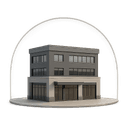
Commercial Property
Can help repair or replace your building, equipment, inventory, and furnishings after covered events like fire, wind, or theft.

General Liability
Can help cover customer injuries, damage to property owned by others, and related legal costs your business becomes responsible for.
Business Income
May replace lost income and help pay rent, payroll, and other continuing expenses while covered damage forces a temporary shutdown.

Equipment Breakdown
Typically covers repair or replacement when equipment like air conditioning, refrigeration, or computers fails from a sudden mechanical or electrical breakdown.
Hired & Non-Owned Auto
May respond when vehicles your business rents or employees' personal cars are used for work and cause an accident.
Business Owners Policy Insurance Requirements in Minnesota
- Review policy terms and endorsements carefully, since coverage details vary by carrier.
- BOP eligibility is not automatic for every Minnesota business, because carriers set rules based on industry and size.
- Optional endorsements may be available, but inclusion and limits vary by carrier.
How Much Does Business Owners Policy Insurance Cost in Minnesota?
Average Cost in Minnesota
$45 - $160
per month
Businesses in Minnesota typically see business owners policy insurance premiums of $45 - $160 per month, which tends to run 2% below the national range of $50 - $160 per month.
- Annual revenue and industry class
- Building and contents values
- Square footage and building age
- Catastrophe exposure at your address
- Liability limits and property deductibles
- Claims history
Contact CPK Insurance for a personalized quote.
The state-specific average premium range for this product is about $45 to $160 per month in Minnesota, while broader small-business averages run $50 to $160 per month. That spread reflects how cost changes with coverage limits and deductibles, claims history, location, industry risk, and endorsements. Minnesota's premium index of 102 means rates run about 2 percent higher than the national baseline. For a business paying $100 a month, that translates to roughly two extra dollars, so most owners will not find state pricing a major obstacle.
A business in a winter-storm-exposed area may see higher pricing pressure than a similar business in a lower-exposure location, especially if the property has older roofing or higher replacement costs. Severe storm and tornado hazards are both rated high, and flooding is moderate, so a carrier may price based on how exposed your building is to those losses. Minnesota's economy is led by healthcare and social assistance, manufacturing, and retail trade, and those businesses often have different property values, inventory levels, and interruption exposures. A storefront in Minneapolis, a clinic in Saint Paul, or a manufacturer near the Twin Cities may receive different pricing because of building size, contents, and claims profile. Expect the carrier to ask about your address, square footage, revenue, property limits, deductible choices, and any endorsements you add.
| BOP Component | What's Included | Typical Limits |
|---|---|---|
| General Liability | Third-party injury, property damage, advertising injury | $1M/$2M |
| Commercial Property | Building, equipment, inventory, fixtures | Replacement cost |
| Business Interruption | Lost income + ongoing expenses during shutdown | 12 months coverage |
| Cyber (Endorsement) | Data breach response and liability | $50K to $100K |
| EPLI (Endorsement) | Employment discrimination, harassment claims | $50K to $250K |
| Equipment Breakdown | Mechanical/electrical equipment failure | Varies by equipment value |
General Liability
- What's Included
- Third-party injury, property damage, advertising injury
- Typical Limits
- $1M/$2M
Commercial Property
- What's Included
- Building, equipment, inventory, fixtures
- Typical Limits
- Replacement cost
Business Interruption
- What's Included
- Lost income + ongoing expenses during shutdown
- Typical Limits
- 12 months coverage
Cyber (Endorsement)
- What's Included
- Data breach response and liability
- Typical Limits
- $50K to $100K
EPLI (Endorsement)
- What's Included
- Employment discrimination, harassment claims
- Typical Limits
- $50K to $250K
Equipment Breakdown
- What's Included
- Mechanical/electrical equipment failure
- Typical Limits
- Varies by equipment value
How Minnesota compares with the national baseline
Property crime per 100,000 residents
2,380 vs 2,200 baseline
Property crime in Minnesota runs above the national average, at 2,380 vs 2,200 incidents per 100,000 residents.
Blue bar: Minnesota. Gray line: national baseline.
Prices shown are general estimates, not guaranteed rates or quotes. Your actual premium will depend on the insurer, coverage selected, business details, location, claims history, and other underwriting factors. Learn about our pricing methodology.
Request a Quote Comparison
Enter your ZIP code to compare business owners policy insurance rates from top carriers.
Business insurance starting at $25/mo
Who Needs Business Owners Policy Insurance?
A BOP is built for small to mid-size businesses, and that matches Minnesota well because the vast majority of the state's business establishments qualify as small. Retailers in places like Minneapolis, Bloomington, Duluth, and Rochester often need the bundled property and liability structure because they keep inventory on-site and serve the public daily. Service businesses with offices in Saint Paul, St. Cloud, or Mankato may also benefit if they need protection for leased space, furniture, computers, and income disruption after a covered loss. Manufacturing businesses, which are a major part of Minnesota's economy, may use a BOP if their operations fit carrier eligibility rules and their property exposure is not too complex.
Minnesota workers' compensation is required for businesses with at least one employee, with exemptions for sole proprietors, partners, and officers of closely held corporations. Many owners need to coordinate a BOP with separate required coverage. A BOP is also useful for businesses in areas that have seen severe storms, tornadoes, and winter storm losses, because those risks can damage buildings, inventory, and equipment. If your business has a storefront, leased office, or small warehouse under the carrier's size and revenue limits, it is often a practical starting point. If your operation is larger, higher-risk, or heavily customized, a standalone policy structure may be more appropriate.
Business Owners Policy Insurance by City in Minnesota
Business Owners Policy Insurance rates and coverage options can vary across Minnesota. Select your city below for localized information:
How to Buy Business Owners Policy Insurance
Start by confirming that your business fits typical BOP eligibility, because carriers often limit these policies to smaller operations with lower revenue, fewer employees, and manageable premises size. In Minnesota, that means you should gather your business address, building details, square footage, ownership structure, annual revenue, payroll, inventory value, equipment list, and any prior claims before requesting a quote. Because the Department of Commerce regulates commercial insurance, you should compare options from multiple carriers rather than assuming one quote reflects the whole market.
A good quote review should show how commercial property and general liability are packaged, what business income coverage is included, and whether optional endorsements are available. If your business has a physical location in Minnesota, the carrier may also ask about construction type, roof condition, fire protection, and proximity factors that affect property pricing. You should also ask whether the policy can be tailored for inventory-heavy operations, because inventory values can change seasonally.
Request a quote through CPK Insurance to compare your options with participating licensed providers.
How to Save on Business Owners Policy Insurance
Because pricing is influenced by coverage limits, deductibles, claims history, location, industry profile, and endorsements, you can often control cost by choosing a deductible that fits your cash flow and by keeping property values accurate. For a Minnesota business, that means updating inventory and equipment values so you are not paying for outdated assumptions. A retailer in a storm-exposed area may spend more than an office business in a lower-risk location, so location planning and building features matter.
Bundling can help too, because a small business insurance bundle may be more efficient when the same carrier also handles workers' compensation or other needed policies, although the BOP itself does not replace required workers' compensation coverage. If you are considering optional endorsements, add them only if the exposure justifies the cost. The same is true for higher liability limits; choose them based on your customer traffic, lease requirements, and inventory value rather than on a one-size-fits-all target.
Our Recommendation for Minnesota
For Minnesota buyers, the smartest first step is to treat a BOP as a framework, not a finished policy. Start with commercial property and general liability, then decide whether business income coverage and optional endorsements are needed for your location and operations. If you operate in a winter-storm, tornado, or severe-storm exposure area, ask the carrier how those hazards affect your property limits and deductible choices. If you are in retail, healthcare support, manufacturing, or another high-value sector, verify that inventory and equipment values are current before you request quotes. Minnesota's market is competitive, so compare multiple carriers and read the endorsement list carefully. A good BOP should fit your premises size, revenue level, and day-to-day operations without leaving obvious gaps.
FAQ
Frequently Asked Questions
In Minnesota, a BOP usually combines commercial property, general liability, and business income coverage, so it can address building, contents, inventory, and temporary shutdown losses after a covered event.
Your actual cost depends on location, industry, limits, deductibles, claims history, and endorsements, though state pricing runs close to the national average.
There is no universal Minnesota rule that every business must buy a BOP, but carriers set eligibility rules based on revenue, size, and risk, and coverage needs can vary by industry and business size.
A lease may require certain insurance terms, but a BOP can be useful because it bundles commercial property and general liability while also helping with business income coverage after a covered closure.
If a covered event such as a severe storm, tornado, or winter storm damages your property and forces a temporary closure, business income coverage can help replace lost income and some ongoing expenses while repairs are underway.
Yes, many carriers offer it as an endorsement, but availability and limits vary, so you should confirm whether your policy includes it and what equipment is covered.
Look at property limits, liability limits, business income coverage terms, deductibles, endorsements, and whether the quote reflects your Minnesota location, building type, and inventory exposure.
A BOP bundles general liability insurance, commercial property insurance, and business interruption coverage into a single policy at a discounted rate. Most BOPs can be customized with endorsements for cyber liability, employment practices liability, professional liability, equipment breakdown, and more.
Updated July 16, 2026