Updated July 16, 2026

Homeowners Insurance in Minneapolis
Roughly one in six businesses in Hennepin County falls under professional, scientific, and technical services, with health care and social assistance close behind. Many households here balance home life with client-facing work, hybrid schedules, frequent deliveries, and higher-value personal property that can be expensive to replace after a loss. If your home also functions as a regular workday base, your quote should match how you actually use the property, not just the square footage and roof age. The city's housing values also raise the stakes. Small gaps in your policy can turn into a larger out-of-pocket problem after a serious claim. Start by reviewing your rebuild assumptions and detached structures, and check whether your policy settles contents at actual cash value or replacement cost. Then compare quotes with the same deductibles and endorsements so you can see which option fits your home, budget, and risk tolerance.
Minnesota has a moderate climate risk rating. Top hazards: Severe Storm (High), Tornado (High), Winter Storm (Very High), Flooding (Moderate). The state's expected annual loss from natural hazards is $1.2B, which influences homeowners insurance premiums and may affect coverage availability in high-risk areas.
What Homeowners Insurance Covers
Homeowners insurance in Minnesota is built around four core protections. Dwelling coverage protects the structure itself. Personal property coverage handles your belongings. Liability coverage applies if someone is injured on your property. Additional living expenses coverage pays for costs if you cannot stay in the home during repairs. Other structures coverage and medical payments coverage are also part of many policies and can matter for detached garages, sheds, fences, or minor guest injuries. Minnesota does not require homeowners insurance by law, but mortgage lenders usually do. That means requirements are often set by the loan rather than the state. Standard policies exclude flood damage, so homes near rivers, low-lying areas, or flood-prone neighborhoods need separate flood protection through NFIP or a private flood carrier. That matters in a state with documented river flooding and repeated severe weather declarations. Because reconstruction cost index and roof condition affect pricing and replacement planning, your dwelling coverage should be based on rebuilding cost, not market value. For homes in older neighborhoods or areas with winter exposure, endorsements may be worth reviewing so the policy matches the property's actual repair needs.
Coverage Included

Dwelling
Repairs or rebuilds your home itself, the walls, roof, floors, built-in appliances, and attached structures like a garage, after a covered loss. Set this limit to the full cost of rebuilding, not market value.
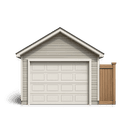
Other Structures
Detached structures on your property, such as a fence, shed, detached garage, or gazebo. Usually set at about 10 percent of your dwelling limit [2].

Personal Property
Your belongings, furniture, clothing, electronics, and appliances, generally written at 50 to 70 percent of your dwelling limit [2]. High-value items like jewelry and art carry special limits.

Additional Living Expenses
Also called loss of use. Pays your added living costs, hotel stays, meals, and a temporary rental, while a covered loss makes your home uninhabitable. Usually set at about 20 percent of your dwelling limit.

Liability
Covers you if someone is injured on your property, or you damage someone else's property, and you are found responsible. The standard $100,000 limit [2] is often raised to $300,000 or $500,000.

Medical Payments
Pays small medical bills, commonly $1,000 to $5,000, if a guest is hurt at your home regardless of fault, without a formal liability claim.
Homeowners Insurance Cost in Minneapolis
Average Cost in Minnesota
$110 - $260
per month
In Minnesota, homeowners insurance premiums typically run $110 - $260 per month, which tends to run 3% above the national range of $110 - $250 per month.
- Home replacement cost, age, and construction type
- Roof age, material, and condition
- ZIP code and local weather risk (wind, hail, wildfire, hurricane)
- Coverage limits and endorsements
- All-peril and percentage wind/hail deductibles
- Claims history and insurance score where allowed
Typical range for many standard homeowners profiles; lower-risk homes fall below it and coastal, wildfire, or older-roof homes can run well above. Final pricing depends on property details, location, underwriting, and selected coverage.
Prices shown are general estimates, not guaranteed rates or quotes. Your actual premium will depend on the insurer, coverage selected, personal details, location, claims history, and other underwriting factors. Learn about our pricing methodology.
Homeowners insurance in Minnesota often falls in a range of about $110 to $260 per month depending on the home and coverage choices. Coverage limits and deductibles, claims history, location, policy endorsements, and risk profile all affect the premium. Minnesota homes with older roofs, higher replacement costs, or greater exposure to severe storm loss may land toward the higher end of the range. The state's premium index is 102, meaning typical rates run about two percent above the national baseline, so you may see slightly higher premiums here than in many other states. That keeps Minnesota in the middle of the pack nationally. A home in Saint Paul, a river community, or a storm-exposed suburb may be rated differently from a newer home in a lower-risk area. The state's moderate overall risk rating, combined with very high winter storm risk and high tornado and severe storm risk, helps explain why pricing is sensitive to deductible choice and dwelling limits. If your home value is around the state median of $305,000, according to recent housing data, base your dwelling limit on what it would cost to rebuild at current labor and material rates, which may be more or less than that figure.
What Affects Homeowners Insurance Rates in Minneapolis
Home value changes the conversation here more than a generic statewide average does. Minneapolis has a median home value of $345,600, so the real question is not just monthly premium, but whether your dwelling limit, other structures limit, and loss settlement terms still line up with what it would take to repair or rebuild after a major claim. A lower premium can look attractive until you notice tighter sublimits, actual cash value treatment for some property, or a deductible that would be hard to absorb. The city’s median household income is $80,269, which gives useful budgeting context, but it should push you toward a practical review rather than a bare minimum policy. Ask for side-by-side quotes using the same deductible, the same liability limit, and the same endorsements. That makes it easier to see whether you are paying for stronger terms or just a different pricing model.
What Makes Minneapolis Different
Higher home values here mean a standard policy may not keep pace with local rebuild costs. In this market, underinsuring the structure or accepting thin settlement terms can create a bigger financial gap than many owners expect. Because the sale price of the house is only part of the picture, it affects how carefully you should review dwelling limits, extended replacement features, and whether updates to kitchens, baths, finished basements, or detached garages are fully reflected in the quote. The county business mix matters too. Many households have work patterns that increase package deliveries, home office equipment, or daytime occupancy. Take time to disclose how the home is used and ask where standard coverage stops and endorsements may start.
Our Recommendation for Minneapolis
Start with the replacement side of the policy, not the premium. Ask how the insurer may have calculated your dwelling limit and whether recent remodeling, finished lower levels, built-in cabinetry, or detached structures are included accurately. Next, review personal property valuation. If you own higher-value electronics, tools, bikes, jewelry, or work-related equipment kept at home, check whether standard sublimits may apply and whether scheduled coverage makes sense. Consider liability carefully, particularly if you host often, have a dog, or want higher limits that better match your assets. Hennepin County has 40,654 business establishments, which means your neighborhood likely sees more delivery traffic and service visits than a typical suburban street. With that much foot traffic, ask how the policy responds if someone is injured on the property. If you want a cleaner comparison, look for quotes with identical deductibles and endorsements, then choose based on coverage terms first and price second.
Get Homeowners Insurance in Minneapolis
Enter your ZIP code to compare homeowners insurance rates from carriers in Minneapolis, MN.
Home insurance starting at $50/mo
FAQ
Frequently Asked Questions
Minneapolis has higher housing values, so a low dwelling limit can leave a larger gap after a major loss. Review rebuild assumptions, detached structures, and any recent upgrades before you renew or switch carriers.
Minneapolis households often operate alongside a county economy led by professional, scientific, and technical services at 16%, which tells you how many neighbors run service businesses or consult from home. If you regularly work from home, ask about business property limits, liability boundaries, and whether endorsements are worth reviewing.
Hennepin County has 40,654 business establishments, so your block may see more contractors, deliveries, and client visits than you'd expect in a purely residential area. Review personal liability, medical payments, and how your policy handles injuries on the property.
Minneapolis buyers should compare more than premium because the city's median household income is $80,269, which means a typical family here has less slack to absorb a surprise rate hike. Match deductibles, liability limits, and endorsements across quotes so the comparison is fair.
Minnesota policyholders can contact the Minnesota Department of Commerce for insurance questions or complaints. Use that route if you need help understanding a claim issue, billing dispute, or whether an insurer followed state consumer rules.
A standard policy may help cover dwelling damage, personal property, liability, additional living expenses, other structures, and medical payments. However, it does not cover flood damage, which requires a separate policy.
Homeowners insurance in Minnesota depends on the home, location, claims history, and coverage choices. Premiums often fall between $110 and $260 monthly, but older roofs and storm exposure can push costs toward the higher end of that range.
Minnesota law does not require homeowners insurance, but mortgage lenders usually require proof of coverage before closing and may specify minimum dwelling coverage tied to the loan.
Sources
- 1.U.S. Census Bureau, County Business Patterns, Hennepin County(Professional, scientific, and technical services lead the business mix in the county that contains Minneapolis at 16%, followed by health care and social assistance at 13.1% and retail trade at 9.2%.; Hennepin County has 40,654 business establishments.)
- 2.U.S. Census Bureau, ACS 5-Year Estimates, table B25077(Minneapolis has a median home value of $345,600.)
- 3.U.S. Census Bureau, ACS 5-Year Estimates, table B19013(The city’s median household income is $80,269.)
- 4.Minnesota Department of Commerce(Minnesota policyholders can contact the Minnesota Department of Commerce for insurance questions or complaints.)
Updated July 16, 2026