








































Updated July 5, 2026

Inland Marine Insurance in Minneapolis
A tighter local market changes inland marine buying in practical ways: fewer underwriters want every class of mobile property, certificate requests often come early, and your submission usually goes smoother when your equipment schedule and transit pattern are specific. For inland marine insurance in Minneapolis, that matters because many accounts here are not hauling the same property to the same kind of site every day. One week you may move diagnostic devices between clinics, laptops and demo gear to client offices downtown, or contractor tools between warehouse space and remodel work in neighborhoods with limited staging room. Hennepin County has 40,654 business establishments, so landlords, customers, and upstream contractors often expect clean proof of coverage before property leaves your shop or arrives at a temporary location. That makes classification, item valuation, and off-premises location details worth tightening before you ask for terms. If your property regularly travels, is left at short-term sites, or changes hands between employees and subcontractors, bring a current equipment list, values by item, and your normal radius of travel to the quote request.
Inland Marine Insurance Risk Factors in Minneapolis
Minneapolis's top risk factors include Severe weather, Property crime, Flooding, and Vehicle accidents.
Minnesota has a moderate climate risk rating. Top hazards: Severe Storm (High), Tornado (High), Winter Storm (Very High), Flooding (Moderate). The state's expected annual loss from natural hazards is $1.2B, which influences inland marine insurance premiums and may affect coverage availability in high-risk areas.
What Inland Marine Insurance Covers
In Minnesota, this coverage is designed for business property that moves, sits at job sites, or is stored away from your main location. That can help cover hand tools, power tools, and portable job-site gear. It may also address materials moving between locations, heavier machinery used on projects, materials before they are fully installed, and certain construction-related property depending on the policy form and carrier. Exact wording can differ, especially around temporary storage, off-premises use, and endorsements.
The Minnesota Department of Commerce regulates the market, but inland marine terms are still set by the policy and insurer. You should verify what is covered at a construction site, in a trailer, in a warehouse staging area, or at a customer location. Coverage may follow the property away from the fixed premises, while exclusions and limits vary by form. For Minnesota businesses, a policy may respond differently for tools left at a Saint Paul job site overnight than for equipment kept at your main office. If your work crosses county lines or involves frequent loading, unloading, or staging, the policy language matters as much as the premium.
Coverage Included
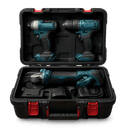
Tools & Equipment
Can help repair or replace hand tools, power tools, and gear that are stolen or damaged on the job or in transit.

Goods in Transit
May cover products, materials, and merchandise while they are being shipped or hauled between locations in your care.
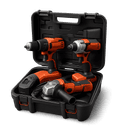
Contractors Equipment
Typically covers heavy machinery like excavators, loaders, and generators against theft or damage at job sites and between them.

Installation Floater
Can help cover materials and fixtures from the moment you buy them until they are installed and accepted at a project.

Builders Risk
May cover a structure under construction, along with materials on site, against damage from fire, wind, theft, and vandalism.
Inland Marine Insurance Cost in Minneapolis
Average Cost in Minnesota
$25 - $100
per month
Businesses in Minnesota typically see inland marine insurance premiums of $25 - $100 per month, which tends to run 4% above the national range of $20 - $100 per month.
- Total insured value of the scheduled property
- Type and age of the equipment
- Where it is stored and how far it travels
- Jobsite security and theft prevention
- Per-item limits and deductibles
- Prior theft and in-transit losses
Contact CPK Insurance for a personalized quote.
Prices shown are general estimates, not guaranteed rates or quotes. Your actual premium will depend on the insurer, coverage selected, business details, location, claims history, and other underwriting factors. Learn about our pricing methodology.
Minnesota's premium index is 102, which means a typical policy here runs about 2% above the national baseline. For a business paying $1,000 a month, that is roughly $20 more than you would spend in an average-cost state. Your actual rate can move based on coverage limits, deductibles, claims history, location, industry or risk profile, and endorsements.
The state's risk profile can affect pricing even for mobile property. Severe storms, tornadoes, and very high winter-storm exposure can raise the chance that tools, materials, or equipment are damaged while being transported, staged, or stored offsite. Minnesota also has a property crime rate of 2,380 incidents per 100,000 residents, according to FBI data, and a burglary trend that is increasing. That theft exposure can matter for contractors equipment and mobile business property. Small businesses in particular often need more tailored limits rather than one-size-fits-all pricing.
Carrier appetite also matters. With a large number of active insurers in the state, pricing can vary by carrier, by trade, and by how much property you schedule. In Minnesota, the strongest pricing lever is usually how well your limit and deductible match the value of the items you actually move, rather than trying to buy the broadest form available.
Industries & Insurance Needs in Minneapolis
The county business mix changes what should be scheduled and how losses are described. In Hennepin County, leading sectors by establishment share are professional, scientific, and technical services at 16%, health care and social assistance at 13.1%, and retail trade at 9.2%, so a local inland marine quote often involves higher-value portable property than basic hand tools alone. That can mean laptops, testing equipment, medical devices, leased equipment, display inventory, or customer property moving between offices, clinics, pop-up setups, and temporary storage. The buying mistake is treating all of it as generic business personal property and leaving the mobile piece underspecified. Instead, separate owned, leased, borrowed, and customer property, then note where each category travels and where it is left unattended. If your operation touches more than one of those county-heavy sectors, ask the agent to review whether a single form fits the exposure or whether separate scheduling by property type will read cleaner at claim time.
What Makes Minneapolis Different
Mixed mobile property is what changes the calculus here. In a market with office users, health-related operations, retailers, and contractors working side by side, the issue is often not whether property moves, but whether the policy description matches how different kinds of property move. A contractor may carry laser levels and saws to short-duration jobs, while a consulting firm moves laptops, projectors, and rented event equipment, and a clinic-related operation may transport specialized devices between locations. Those are all inland marine conversations, but they are not the same submission. Minneapolis median household income is $80,269, so replacement cost for portable electronics, specialized devices, and higher-spec equipment can climb quickly if you insure on an outdated schedule. The practical takeaway is to review values item by item, not by rough category, and to flag any property that is rented, borrowed, or entrusted to employees off site. A cleaner schedule usually produces a more usable quote than a broad estimate.
Our Recommendation for Minneapolis
Start with the property schedule, not the premium. List the items that actually leave your premises, their current replacement values, who uses them, and whether they travel in employee vehicles, vans, or by courier. If you rotate equipment among crews or departments, say that plainly, because vague descriptions can create avoidable back-and-forth during underwriting. Next, separate property you own from leased, rented, borrowed, or customer property in your care. Those categories can be reviewed differently, and combining them into one loose total makes it harder to compare forms. If you work from offices, clinics, retail space, and temporary sites in the same month, map those locations and note where property is most often left overnight. Ask for wording to be reviewed around transit, temporary locations, unattended vehicles, and valuation method. Then compare quotes based on scheduled items, sublimits, and exclusions, not just price, so you can see whether the form matches how your property actually moves.
Get Inland Marine Insurance in Minneapolis
Enter your ZIP code to compare inland marine insurance rates from carriers in Minneapolis, MN.
Business insurance starting at $25/mo
FAQ
Frequently Asked Questions
Minneapolis accounts usually benefit from listing the property that actually leaves the premises first, with current values and who uses it. In a county with 40,654 business establishments, proof and classification questions often come early, so a clean schedule helps move quoting along.
Hennepin County does change the conversation because professional services, health care, and retail make up large establishment shares, 16%, 13.1%, and 9.2%. That mix points buyers toward scheduling laptops, devices, display inventory, and leased equipment, not just contractor tools.
Minneapolis buyers are usually better served by itemized values than a rough total. With median household income at $80,269, replacement cost for higher-spec portable equipment can rise quickly, so outdated estimates can leave a gap when you replace damaged or stolen items.
Minneapolis submissions tend to read better when you include where property travels, where it is stored overnight, and whether employees, subcontractors, or couriers handle it. Those operating details help the underwriter match the form to your actual transit and temporary-location exposure.
In Minnesota, it may help cover business property that is being moved, used at job sites, or stored away from your main location, including tools, equipment, building materials, and shipped goods, subject to the policy terms.
The policy can follow covered property to offsite locations, but the exact protection for temporary storage depends on the form, limits, and any endorsements you buy from the carrier.
Contractors, electricians, plumbers, landscapers, manufacturers, and other businesses that move valuable property between locations often need it, especially if they store items away from a fixed premises.
Your limit, deductible, claims history, location, industry risk, and policy endorsements all affect price, and Minnesota's premium environment is close to the national average.
Sources
- 1.U.S. Census Bureau, County Business Patterns, Hennepin County(Hennepin County has 40,654 business establishments, so landlords, customers, and upstream contractors often expect clean proof of coverage before property leaves your shop or arrives at a temporary location.; In Hennepin County, leading sectors by establishment share are professional, scientific, and technical services at 16%, health care and social assistance at 13.1%, and retail trade at 9.2%, so a local inland marine quote often involves higher-value portable property than basic hand tools alone.)
- 2.U.S. Census Bureau, ACS 5-Year Estimates, table B19013(Minneapolis median household income is $80,269, so replacement cost for portable electronics, specialized devices, and higher-spec equipment can climb quickly if you insure on an outdated schedule.)
Updated July 5, 2026





