







































Updated July 16, 2026

Commercial Truck Insurance in Rochester
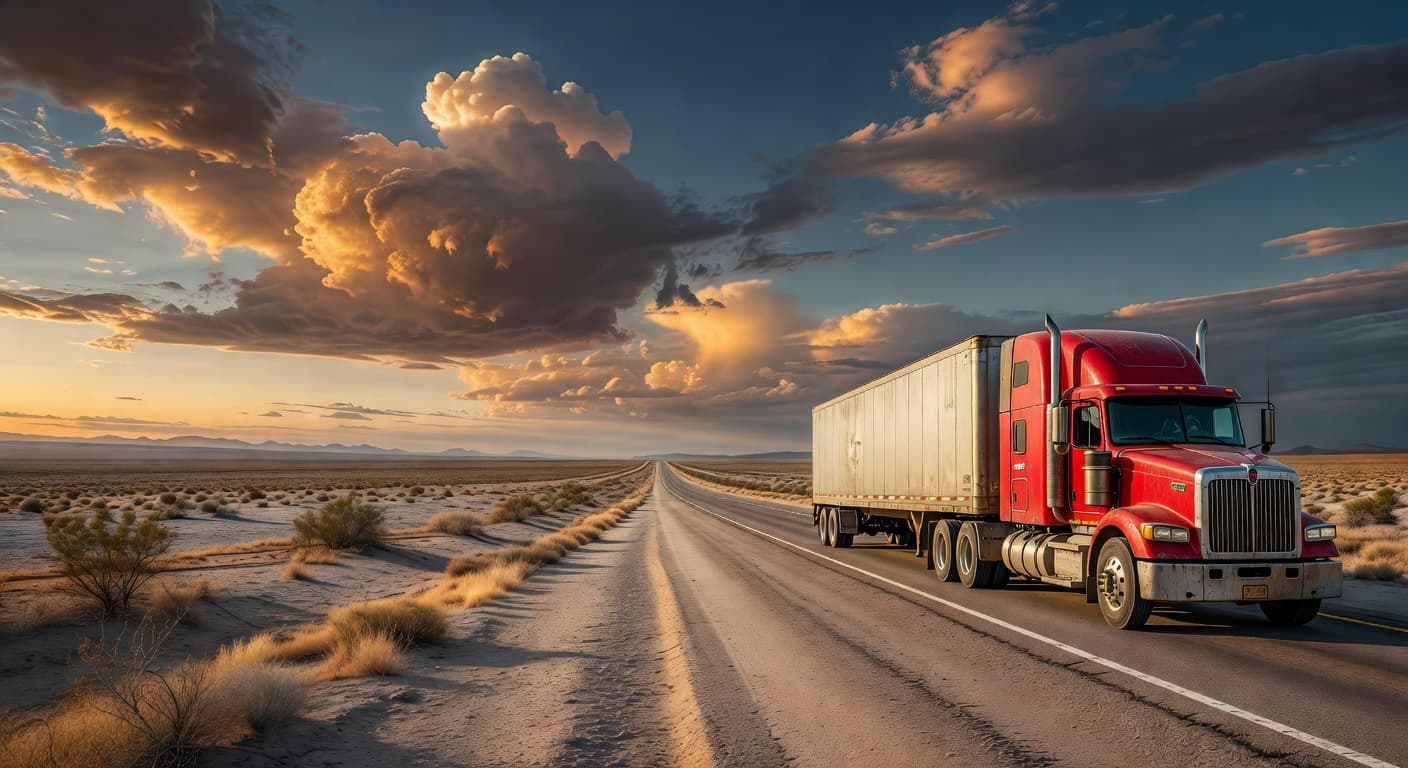
A box truck slides wide at an icy intersection during an early hospital delivery, while a service truck backs into a crowded loading area trying to stay on schedule. Those are the kinds of claims your policy needs to answer: vehicle damage, third-party injury, and downtime that ripples through a tightly timed route. A lot of driving here is tied to medical, retail, and contractor activity rather than long, simple highway runs. Your quote deserves a closer look at stop frequency, backing exposure, and time-sensitive deliveries.
Commercial Truck Insurance Risk Factors in Rochester
Frequent stops are the local risk factor that changes the picture here. A truck that spends the day backing into retail alleys, unloading at medical facilities, or dropping materials at active jobsites faces a different loss pattern than a unit that mostly stays on open highway. More low-speed maneuvering means more chances for mirror strikes, loading-area contact, and claims involving parked vehicles or pedestrians. The county business mix points that way: health care and social assistance, retail trade, and construction make up a meaningful share of establishments, so many routes involve repeated arrivals, departures, and tight-site access. Review **hired and non-owned auto** if supervisors or staff ever use personal vehicles around deliveries, and check whether your physical damage deductible still makes sense if a minor collision could sideline a truck you need every day. If your drivers carry equipment, supplies, or materials, ask where inland marine or cargo wording should begin and end so there are fewer surprises after a loss.
Minnesota has a moderate climate risk rating. Top hazards: Severe Storm (High), Tornado (High), Winter Storm (Very High), Flooding (Moderate). The state's expected annual loss from natural hazards is $1.2B, which influences commercial truck insurance premiums and may affect coverage availability in high-risk areas.
What Commercial Truck Insurance Covers
Commercial truck insurance in Minnesota is typically built around several coverages that work together for your operation. Motor carrier liability is the core piece for freight-hauling operations. Physical damage may help cover repair or replacement costs for tractors, trailers, or other covered units after a collision or other covered loss. Cargo coverage is usually written as a separate section and may help protect freight in transit against theft, damage, or loss, which matters on Minnesota routes where winter storms and road conditions can interrupt deliveries.
Trailer interchange coverage can be important if your operation uses non-owned trailers under an interchange agreement. Bobtail or non-trucking liability may help with certain off-dispatch situations for owner-operators, depending on the policy structure. Minnesota-specific context matters because the commercial auto minimums follow a split limit structure while federal FMCSA freight requirements may call for higher liability limits depending on the load. That means your policy should be checked against both your hauling authority and the contracts you sign with shippers or brokers.
A box truck in the Twin Cities may need a different package than a long-haul tractor-trailer crossing northern Minnesota in winter. Exclusions, deductibles, and endorsements vary by carrier, so the policy should be reviewed for route, freight type, and trailer use before binding.
Coverage Included

Motor Carrier Liability
Can help cover injuries and property damage your truck causes to others, a coverage federal regulators require most for-hire carriers to maintain.
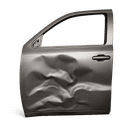
Physical Damage
Can help pay to repair or replace your own truck after an accident, fire, theft, or vandalism.
Cargo Coverage
May pay for damage to or theft of the freight you are hauling while it is in your care.
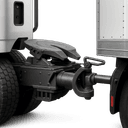
Trailer Interchange
Can help cover damage to trailers you haul under an interchange agreement but do not own.
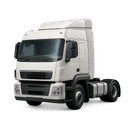
Bobtail Coverage
May provide liability protection when you drive your tractor without a trailer attached, such as after dropping off a load.

Non-Trucking Liability
Can help cover accidents that happen when you use your truck for personal errands rather than dispatched work.
Commercial Truck Insurance Cost in Rochester
Average Cost in Minnesota
$480 - $1,275
per month
Businesses in Minnesota typically see commercial truck insurance premiums of $480 - $1,275 per month, which tends to run 15% above the national range of $400 - $1,125 per month.
- Radius of operation
- Commodities hauled and cargo value
- Number and value of power units
- Driver motor vehicle records and CDL experience
- DOT safety record, inspections, and FMCSA scores
- Liability limits and physical damage deductibles
Contact CPK Insurance for a personalized quote.
Prices shown are general estimates, not guaranteed rates or quotes. Your actual premium will depend on the insurer, coverage selected, business details, location, claims history, and other underwriting factors. Learn about our pricing methodology.
The state pricing picture in Minnesota is shaped by both the market and your operation. Cost depends on your truck count, radius, freight, limits, deductibles, and endorsements. Minnesota's premium index of 102 means carriers here tend to price slightly above the national average, but that does not mean every fleet pays the same. With a competitive market of many active insurers, quotes can differ meaningfully by carrier appetite, endorsement options, and how your operation is classified.
Coverage limits, deductibles, claims history, location, risk profile, and policy endorsements all play a part. In Minnesota, location matters because winter storm exposure is very high, severe storms and tornadoes are high hazards, and flooding remains a moderate concern. A carrier that sees more long-haul miles through storm-prone corridors may price that risk differently than one insuring a local delivery route in a metro area. Claims history also matters because average auto claim costs can influence how carriers view repair and liability exposure.
Your freight type, truck type, and whether you need motor carrier liability, physical damage, cargo, bobtail, or non-trucking liability will all affect the final premium. If you want an exact number, the best next step is a quote that reflects your routes, units, and endorsements rather than a national estimate.
Industries & Insurance Needs in Rochester
Olmsted County's business base is what most directly shapes truck demand here. The county has 3,729 business establishments, so even smaller fleets often serve a broad mix of customers, vendors, and job locations rather than one predictable shipper. That matters because a quote should follow the operation, not just the vehicle class. A contractor's flatbed, a supplier's box truck, and a service van supporting medical or retail accounts can all need different liability limits, physical damage deductibles, and cargo or equipment treatment. The county's leading sectors, health care and social assistance at 14.5%, retail trade at 13.9%, and construction at 11%, point to recurring delivery, replenishment, and jobsite movement. If your book of business spans more than one of those segments, tell the agent how each truck is used by day, where it is garaged, and whether routes change by season, because mixed-use fleets are easy to underdescribe on an application.
What Makes Rochester Different
In Olmsted County, health care and social assistance account for 14.5% of establishments, retail trade 13.9%, and construction 11%. That mix means your trucks are more likely to face supply runs, jobsite deliveries, and service calls between dense commercial destinations in the same day than open-highway hauling. Your trucks are not simply accumulating highway miles. They are turning over multiple stops, backing into constrained spaces, waiting in loading zones, and moving on tight schedules. Instead of focusing only on annual mileage, review who loads the truck, whether drivers enter customer premises, how often they back unassisted, and whether tools or materials stay in the vehicle between stops. When you apply, separate each unit's role clearly. A pickup used for estimates and light hauling should not be described the same way as a box truck making scheduled deliveries. When your dispatch pattern is laid out clearly up front, the quotes you compare are more likely to reflect real exposure rather than a generic fleet average.
Our Recommendation for Rochester
Start with a vehicle-by-vehicle review, not a single fleet description. List each unit's radius, parking location, cargo or equipment carried, and the kinds of sites it visits most often. If one truck serves contractors and another handles supply deliveries, ask for each use to be described separately so the quote reflects actual per-vehicle risk. Review physical damage deductibles against your cash flow, because a truck out of service for even a short period can interrupt customer commitments. If employees ever borrow, rent, or occasionally use personal vehicles for business errands, ask whether hired and non-owned auto should be reviewed alongside the truck policy. Before you bind coverage, confirm how any attached equipment, tools, or transported property is treated. Request specimen wording on exclusions that could affect routine local stops.
Get Commercial Truck Insurance in Rochester
Enter your ZIP code to compare commercial truck insurance rates from carriers in Rochester, MN.
Business insurance starting at $25/mo
FAQ
Frequently Asked Questions
Your routes should be described by stop pattern, not just mileage. If your trucks serve clinics, stores, and jobsites in the same week, say that clearly so liability, physical damage, and any cargo-related coverage match how your crews actually maneuver and unload.
Olmsted County has 3,729 business establishments. That density of local destinations means a one-size-fits-all fleet description can leave gaps when individual trucks carry different cargo and park in different conditions overnight.
Mixed-use trucks often do. A pickup visiting jobsites, a box truck making supply runs, and a service vehicle carrying tools can create different exposures, so break out vehicle use, drivers, and what stays in each unit on your application.
Check backing exposure, loading and unloading activity, and how transported supplies or equipment are classified. If property in the truck is not owned by you, ask where truck coverage ends and other property coverage may need to begin.
Compare quotes against actual dispatch patterns. In Olmsted County, health care and social assistance are 14.5% of establishments, retail trade 13.9%, and construction 11%. Those sectors generate exactly the kind of stop-and-go commercial driving that produces more backing and loading-area incidents than a simple mileage total would suggest.
In Minnesota, the policy can be built around motor carrier liability, physical damage, cargo coverage, trailer interchange, bobtail coverage, and non-trucking liability, depending on how your truck is used. A local gravel hauler, a regional dry van operator, and a long-haul reefer unit running non-owned trailers each face different exposures, so the right mix depends on your specific freight, route, and equipment.
Minnesota commercial auto minimums are listed as $30,000/$60,000/$10,000, and the market is regulated by the Department of Commerce. If you haul freight under federal motor carrier rules, your liability limit may need to be higher than the state minimum, depending on your authority and cargo.
Pricing varies widely based on your operation, limits, deductibles, claims history, location, industry risk, and endorsements. For an exact figure, request a quote that reflects your specific routes, units, and coverage needs.
Sources
- 1.U.S. Census Bureau, County Business Patterns, Olmsted County(In Olmsted County, health care and social assistance account for 14.5% of establishments, retail trade 13.9%, and construction 11%, so many local trucking risks involve supply runs, jobsite deliveries, and service vehicles moving between dense commercial destinations in the same day.; The county has 3,729 business establishments, so even smaller fleets often serve a broad mix of customers, vendors, and job locations rather than one predictable shipper.)
Updated July 16, 2026





