








































Updated July 5, 2026

Garage Keepers Insurance in Rochester
A tighter local market changes how you shop this coverage. Fewer carriers actively like every repair, detailing, towing, or storage operation, so your submission has to be clean, specific, and easy to underwrite. For garage keepers insurance in Rochester, that usually means showing exactly where customer vehicles sit, who moves them, when keys are controlled, and how overnight storage differs from daytime intake. In a market where people know each other, landlords, fleet customers, and referral partners also tend to ask for proof of coverage before they hand over vehicles or sign service agreements.
That matters here because buyers are not just comparing a form, they are trying to show that their operation is disciplined enough for a carrier to quote confidently. If your shop handles late drop offs, sublet work, test drives, or seasonal overflow parking, say so up front instead of hoping a generic application covers it. A thinner local carrier field can reward clarity and punish vague descriptions. Before you request quotes, map your lot layout, note whether vehicles are stored inside or outside, and list who has custody of keys after hours.
Garage Keepers Insurance Risk Factors in Rochester
Local vehicle custody risk here is less about a unique city hazard and more about how tightly many shops have to manage space, handoffs, and customer expectations. Rochester households report a median household income of $87,767, so you are often working on vehicles whose owners expect clear documentation, careful storage, and a fast answer if damage is discovered after service. That does not change the policy form by itself, but it can change how a claim unfolds and how much scrutiny falls on your **intake photos, check in notes, and key control process**. If your operation parks customer vehicles off the main service line, uses a night drop, or moves cars between buildings, review whether your procedures match the way losses actually happen. A buyer here should ask for quote options that reflect **indoor versus outdoor storage**, employee driving practices, and any gap between what is promised at the counter and what happens on the lot after hours.
Minnesota has a moderate climate risk rating. Top hazards: Severe Storm (High), Tornado (High), Winter Storm (Very High), Flooding (Moderate). The state's expected annual loss from natural hazards is $1.2B, which influences garage keepers insurance premiums and may affect coverage availability in high-risk areas.
What Garage Keepers Insurance Covers
Minnesota buyers should look at this coverage through the lens of weather, storage, and vehicle movement. A clean policy comparison starts with where vehicles spend the night. If some units stay outside during snow, ice, or hail conditions, ask how the policy is being structured for outdoor storage and whether your selected limits still make sense when your lot is full. If higher value vehicles are kept inside, separate that workflow in the application so the underwriter can see the difference between routine service parking and protected indoor storage.
You should also look closely at the moments when damage is most likely to happen. In many shops, that is not only during repair work. It is during backing, staging, plowing around parked vehicles, jump starts, battery service, towing on and off the premises, and road tests on slick pavement. If your operation uses a fenced yard, shared parking area, or overflow lot, spell that out.
Minnesota operations also benefit from reviewing key custody and after-hours procedures. If customers use a night drop, if keys stay on site, or if employees take vehicles between buildings, those facts belong in the submission. If you are comparing forms, endorsements, or claim handling language and something is unclear, keep your review grounded in state-regulated policy terms rather than assumptions. Before binding, ask your agent to walk line by line through storage location, employee access, and any exclusions tied to unattended vehicles or open-lot conditions.
Coverage Included
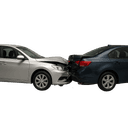
Collision Coverage
Covers damage to customers' vehicles from collisions while in your care.

Comprehensive Coverage
Covers theft, vandalism, fire, and weather damage to customers' vehicles.

Specified Perils
Covers only specifically named perils at a lower premium.

Legal Liability
Covers damage you or your employees directly cause to a customer's vehicle.

Direct Primary
Pays regardless of fault, the broadest garage keepers coverage available.
Industries & Insurance Needs in Rochester
County business density is the practical backdrop. Olmsted County has 3,729 business establishments, and its leading sectors by establishment share are health care and social assistance at 14.5%, retail trade at 13.9%, and construction at 11%. That mix matters because local shops often serve commuters, contractor pickups and vans, retail traffic, and employer related vehicle use, not just neighborhood personal autos. More commercial-use vehicles and schedule-sensitive customers can mean more pressure for quick turnarounds, more key exchanges, and more vehicles waiting for parts or authorization.
For your insurance review, that means the exposure is operational, not theoretical. If you service work trucks, fleet units, or customer vehicles that stay on site while approvals are pending, tell the carrier that early. Ask whether your quote assumptions match the real mix of personal and business-use vehicles you hold, because a shop that occasionally keeps contractor or employer vehicles overnight can present a different custody profile than a pure quick-service lane.
What Makes Rochester Different
The main difference here is market tightness. In a smaller metro, garage keepers buying is shaped less by endless carrier choice and more by whether your operation fits the appetite of the few markets willing to look closely at your class of business. That changes the job from simple price shopping to presenting your risk well. A vague application can stall because the underwriter cannot tell how many vehicles you hold, whether they are stored outside, or how often employees move them after hours.
That is why the strongest local submissions read almost like an operations checklist. They show where customer vehicles are kept, how keys are secured, whether test drives are routine, and when a car is considered in your care, custody, or control. If you also do detailing, towing coordination, glass work, or sublet repairs, separate those activities clearly. The practical takeaway is simple: the better you describe your workflow, the more likely you are to get usable quote options instead of follow up delays.
Our Recommendation for Rochester
Start your review with the parts of your operation that an underwriter cannot see from your business name alone. Spell out whether you are a mechanical shop, body shop, detailer, tire store, dealer service lane, or a mixed operation. Then document the maximum number of customer vehicles on site, where they are parked, and who can move them. Those details often matter more than a polished sales description.
Next, line up the proof you may need to send with a quote request: photos of indoor and outdoor storage areas, a simple lot diagram, written key control procedures, and your intake process for pre existing damage. If you use dealer plates, road test vehicles, or leave cars in overflow areas, say that directly. If a lease, lender, or commercial client asks for evidence of insurance, review the wording before binding so your policy terms and certificates match the relationship. A good next step is to request quotes only after your vehicle custody process is written down the way your staff actually follows it.
Get Garage Keepers Insurance in Rochester
Enter your ZIP code to compare garage keepers insurance rates from carriers in Rochester, MN.
Business insurance starting at $25/mo
FAQ
Frequently Asked Questions
Rochester submissions often need more operational detail because the local market is tighter. Carriers want to know where customer vehicles are stored, who can move them, and how keys are controlled, so your quote reflects your real custody exposure.
Rochester area shops often see business-use vehicles because Olmsted County has 3,729 establishments. That can mean more overnight holds, tighter turnaround expectations, and different storage patterns, so tell the carrier if contractor or fleet units are part of your mix.
Rochester households report a median household income of $87,767, so customers may expect stronger documentation when damage is alleged after service. That makes intake photos, check in notes, and key control worth reviewing before you bind coverage.
Olmsted County's establishment mix includes health care and social assistance at 14.5%, retail trade at 13.9%, and construction at 11%. For a local garage, that can translate into more commuter, retail, and contractor vehicles in your care during the workweek.
Yes. When vehicles stay overnight, especially if storage shifts during snow or ice, your policy terms should be reviewed carefully against how custody begins, where vehicles sit after hours, and who can move them before intake.
Minnesota winter weather can change where vehicles are parked, how often staff move them, and whether outdoor storage becomes more crowded. That means your quote should describe storm procedures, plowing impacts, and after-hours storage, not just your normal operating routine.
Minnesota body shops often hold vehicles longer, which can increase accumulation compared with quick service operations. The right limit depends on your peak number of customer vehicles, where they are stored, and whether higher-value units stay on site while parts or paint work are pending.
Minnesota businesses with fenced storage may present a cleaner underwriting picture if fencing is part of a broader control plan that also includes lighting, cameras, and key procedures. It helps most when the quote clearly explains how the lot is actually used during overnight and winter storage.
Sources
- 1.U.S. Census Bureau, ACS 5-Year Estimates, table B19013(Rochester households report a median household income of $87,767, so you are often working on vehicles whose owners expect clear documentation, careful storage, and a fast answer if damage is discovered after service.)
- 2.U.S. Census Bureau, County Business Patterns, Olmsted County(Olmsted County has 3,729 business establishments, and its leading sectors by establishment share are health care and social assistance at 14.5%, retail trade at 13.9%, and construction at 11%.)
Updated July 5, 2026





