
Updated July 16, 2026

Homeowners Insurance in Rochester
A median home value of $287,500 means a typical rebuild here could cost tens of thousands more than an older policy limit accounts for. A policy that felt adequate a few years ago may leave you absorbing more repair cost out of pocket after a loss. For many households, the real work is matching protection to the home you actually own now. That means taking stock of finished basements, detached garages, newer roofs, and upgraded interiors in one pass rather than handling them piecemeal. You can carry a higher deductible to control premium, or pay more for lower out-of-pocket shock after a claim. That tradeoff is worth modeling before renewal, especially if you have added square footage, replaced mechanicals, or updated kitchens and baths since your last quote. Bring your current declarations page, your most recent home details, and a list of upgrades, then compare whether your present limits still fit local property values and your budget tolerance.
Minnesota has a moderate climate risk rating. Top hazards: Severe Storm (High), Tornado (High), Winter Storm (Very High), Flooding (Moderate). The state's expected annual loss from natural hazards is $1.2B, which influences homeowners insurance premiums and may affect coverage availability in high-risk areas.
What Homeowners Insurance Covers
Homeowners insurance in Minnesota is built around four core protections. Dwelling coverage protects the structure itself. Personal property coverage handles your belongings. Liability coverage applies if someone is injured on your property. Additional living expenses coverage pays for costs if you cannot stay in the home during repairs. Other structures coverage and medical payments coverage are also part of many policies and can matter for detached garages, sheds, fences, or minor guest injuries. Minnesota does not require homeowners insurance by law, but mortgage lenders usually do. That means requirements are often set by the loan rather than the state. Standard policies exclude flood damage, so homes near rivers, low-lying areas, or flood-prone neighborhoods need separate flood protection through NFIP or a private flood carrier. That matters in a state with documented river flooding and repeated severe weather declarations. Because reconstruction cost index and roof condition affect pricing and replacement planning, your dwelling coverage should be based on rebuilding cost, not market value. For homes in older neighborhoods or areas with winter exposure, endorsements may be worth reviewing so the policy matches the property's actual repair needs.
Coverage Included
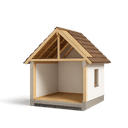
Dwelling
Repairs or rebuilds your home itself, the walls, roof, floors, built-in appliances, and attached structures like a garage, after a covered loss. Set this limit to the full cost of rebuilding, not market value.
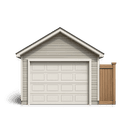
Other Structures
Detached structures on your property, such as a fence, shed, detached garage, or gazebo. Usually set at about 10 percent of your dwelling limit [2].

Personal Property
Your belongings, furniture, clothing, electronics, and appliances, generally written at 50 to 70 percent of your dwelling limit [2]. High-value items like jewelry and art carry special limits.

Additional Living Expenses
Also called loss of use. Pays your added living costs, hotel stays, meals, and a temporary rental, while a covered loss makes your home uninhabitable. Usually set at about 20 percent of your dwelling limit.

Liability
Covers you if someone is injured on your property, or you damage someone else's property, and you are found responsible. The standard $100,000 limit [2] is often raised to $300,000 or $500,000.

Medical Payments
Pays small medical bills, commonly $1,000 to $5,000, if a guest is hurt at your home regardless of fault, without a formal liability claim.
Homeowners Insurance Cost in Rochester
Average Cost in Minnesota
$110 - $260
per month
In Minnesota, homeowners insurance premiums typically run $110 - $260 per month, which tends to run 3% above the national range of $110 - $250 per month.
- Home replacement cost, age, and construction type
- Roof age, material, and condition
- ZIP code and local weather risk (wind, hail, wildfire, hurricane)
- Coverage limits and endorsements
- All-peril and percentage wind/hail deductibles
- Claims history and insurance score where allowed
Typical range for many standard homeowners profiles; lower-risk homes fall below it and coastal, wildfire, or older-roof homes can run well above. Final pricing depends on property details, location, underwriting, and selected coverage.
Prices shown are general estimates, not guaranteed rates or quotes. Your actual premium will depend on the insurer, coverage selected, personal details, location, claims history, and other underwriting factors. Learn about our pricing methodology.
Homeowners insurance in Minnesota often falls in a range of about $110 to $260 per month depending on the home and coverage choices. Coverage limits and deductibles, claims history, location, policy endorsements, and risk profile all affect the premium. Minnesota homes with older roofs, higher replacement costs, or greater exposure to severe storm loss may land toward the higher end of the range. The state's premium index is 102, meaning typical rates run about two percent above the national baseline, so you may see slightly higher premiums here than in many other states. That keeps Minnesota in the middle of the pack nationally. A home in Saint Paul, a river community, or a storm-exposed suburb may be rated differently from a newer home in a lower-risk area. The state's moderate overall risk rating, combined with very high winter storm risk and high tornado and severe storm risk, helps explain why pricing is sensitive to deductible choice and dwelling limits. If your home value is around the state median of $305,000, according to recent housing data, base your dwelling limit on what it would cost to rebuild at current labor and material rates, which may be more or less than that figure.
What Makes Rochester Different
The cost to rebuild is what should anchor your decisions, since construction prices and material quality determine whether a claim check covers the full repair or leaves you short. That matters even more if your home has features that are easy to undercount on an older policy. Think finished lower levels, custom cabinetry, decks, sheds, or recent exterior work. Start with Coverage A, then ask whether the limits tied to it for other structures and personal property still reflect how you actually use the property today. When money is tight, you may find a higher deductible easier to absorb than a gap in core protection. If you have made substantial upgrades, ask for a fresh replacement cost estimate rather than assuming last year's numbers still fit.
Our Recommendation for Rochester
Pull your current declarations page and walk through it line by line. Verify the dwelling amount against the home as it stands today, not as it was when you first bought it. If you have remodeled, finished space, or added detached structures, ask for those details to be reflected in the quote so the valuation is not based on stale information. Next, test deductible options against your cash reserves. The right choice depends on whether you could write a check for that amount tomorrow without real financial strain. Finally, if you split time between home and frequent travel, or regularly receive deliveries and service providers at the house, review liability and personal property assumptions with that routine in mind. The goal is a policy shaped around your actual property and budget, paired with a free quote you can put next to your current coverage before the renewal deadline.
Get Homeowners Insurance in Rochester
Enter your ZIP code to compare homeowners insurance rates from carriers in Rochester, MN.
Home insurance starting at $50/mo
FAQ
Frequently Asked Questions
It is worth reviewing. With a median home value of $287,500, an older policy limit can drift away from the property you own today, especially after renovations, finished basement work, or detached structure additions.
That depends on your cash reserves. You need to weigh deductible savings against what you could actually pay out of pocket after a claim without financial strain.
Before quoting, gather your current square footage, roof age, basement finish, detached structures, and major interior upgrades in one place. Those details affect how a carrier values the home, and stale information can leave important limits misaligned.
Olmsted County can matter indirectly because 3,729 business establishments mean a meaningful share of households regularly host deliveries, contractor visits, or client activity at home. That extra foot traffic and on site inventory can fall outside what a standard policy expects, so review home business and liability assumptions before binding.
Property values, upgrades, and deductible preferences shift over time, so renewal season is a natural moment to check whether your limits still match the home. Putting quotes side by side lets you see if your current protection still fits or whether a different deductible structure better suits your budget.
A standard policy may help cover dwelling damage, personal property, liability, additional living expenses, other structures, and medical payments. However, it does not cover flood damage, which requires a separate policy.
Homeowners insurance in Minnesota depends on the home, location, claims history, and coverage choices. Premiums often fall between $110 and $260 monthly, but older roofs and storm exposure can push costs toward the higher end of that range.
Minnesota law does not require homeowners insurance, but mortgage lenders usually require proof of coverage before closing and may specify minimum dwelling coverage tied to the loan.
Sources
- 1.U.S. Census Bureau, ACS 5-Year Estimates, table B25077(Rochester median home value is $287,500.)
- 2.U.S. Census Bureau, ACS 5-Year Estimates, table B19013(Rochester median household income is $87,767.)
- 3.U.S. Census Bureau, County Business Patterns, Olmsted County(Olmsted County has 3,729 business establishments.)
Updated July 16, 2026