








































Updated July 16, 2026

Inland Marine Insurance in Rochester
If a loss hits tools, diagnostic devices, leased equipment, or customer property off premises, would your current limit buy back what you actually rely on now? For many firms, your policy works best when you review scheduled values, replacement cost assumptions, and deductibles against the equipment you move every week. Rochester's median household income is $87,767, meaning a typical household here earns roughly $14,000 more than the national median. Households with that extra spending power tend to hire professionals and expect polished, on-time results. One stolen scanner or damaged laser can interrupt work you are expected to finish on schedule, which turns underinsured mobile property into a problem that reaches your client relationships. Before you request quotes, line up your current equipment list, note what travels in vehicles or between sites, and flag any item that would be hard to replace quickly.
Inland Marine Insurance Risk Factors in Rochester
Local exposure is less about a unique city-only peril and more about how property moves and sits between controlled spaces. If your business loads equipment into vans, leaves materials at a remodel, carries instruments into client facilities, or rotates gear between a shop and temporary locations, the weak point is often the handoff. Property is most vulnerable while being transported, unloaded, staged for the next task, or left overnight where several parties have access. Here, that means your quote should separate **high-value items that travel daily** from lower-value gear that mostly stays put. Ask whether your form handles scheduled equipment, employee tools if relevant, rented or borrowed items if you use them, and customer property in your care when that exposure exists. A deductible that feels manageable for one missing toolbox may feel very different for a damaged specialty device, so test deductibles item by item, not just as a single policy number.
Minnesota has a moderate climate risk rating. Top hazards: Severe Storm (High), Tornado (High), Winter Storm (Very High), Flooding (Moderate). The state's expected annual loss from natural hazards is $1.2B, which influences inland marine insurance premiums and may affect coverage availability in high-risk areas.
What Inland Marine Insurance Covers
In Minnesota, this coverage is designed for business property that moves, sits at job sites, or is stored away from your main location. That can help cover hand tools, power tools, and portable job-site gear. It may also address materials moving between locations, heavier machinery used on projects, materials before they are fully installed, and certain construction-related property depending on the policy form and carrier. Exact wording can differ, especially around temporary storage, off-premises use, and endorsements.
The Minnesota Department of Commerce regulates the market, but inland marine terms are still set by the policy and insurer. You should verify what is covered at a construction site, in a trailer, in a warehouse staging area, or at a customer location. Coverage may follow the property away from the fixed premises, while exclusions and limits vary by form. For Minnesota businesses, a policy may respond differently for tools left at a Saint Paul job site overnight than for equipment kept at your main office. If your work crosses county lines or involves frequent loading, unloading, or staging, the policy language matters as much as the premium.
Coverage Included
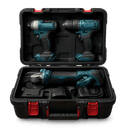
Tools & Equipment
Can help repair or replace hand tools, power tools, and gear that are stolen or damaged on the job or in transit.

Goods in Transit
May cover products, materials, and merchandise while they are being shipped or hauled between locations in your care.
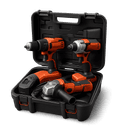
Contractors Equipment
Typically covers heavy machinery like excavators, loaders, and generators against theft or damage at job sites and between them.
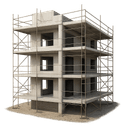
Installation Floater
Can help cover materials and fixtures from the moment you buy them until they are installed and accepted at a project.
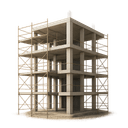
Builders Risk
May cover a structure under construction, along with materials on site, against damage from fire, wind, theft, and vandalism.
Inland Marine Insurance Cost in Rochester
Average Cost in Minnesota
$25 - $100
per month
Businesses in Minnesota typically see inland marine insurance premiums of $25 - $100 per month, which tends to run 4% above the national range of $20 - $100 per month.
- Total insured value of the scheduled property
- Type and age of the equipment
- Where it is stored and how far it travels
- Jobsite security and theft prevention
- Per-item limits and deductibles
- Prior theft and in-transit losses
Contact CPK Insurance for a personalized quote.
Prices shown are general estimates, not guaranteed rates or quotes. Your actual premium will depend on the insurer, coverage selected, business details, location, claims history, and other underwriting factors. Learn about our pricing methodology.
Minnesota's premium index is 102, which means a typical policy here runs about 2% above the national baseline. For a business paying $1,000 a month, that is roughly $20 more than you would spend in an average-cost state. Your actual rate can move based on coverage limits, deductibles, claims history, location, industry or risk profile, and endorsements.
The state's risk profile can affect pricing even for mobile property. Severe storms, tornadoes, and very high winter-storm exposure can raise the chance that tools, materials, or equipment are damaged while being transported, staged, or stored offsite. Minnesota also has a property crime rate of 2,380 incidents per 100,000 residents, according to FBI data, and a burglary trend that is increasing. That theft exposure can matter for contractors equipment and mobile business property. Small businesses in particular often need more tailored limits rather than one-size-fits-all pricing.
Carrier appetite also matters. With a large number of active insurers in the state, pricing can vary by carrier, by trade, and by how much property you schedule. In Minnesota, the strongest pricing lever is usually how well your limit and deductible match the value of the items you actually move, rather than trying to buy the broadest form available.
Industries & Insurance Needs in Rochester
County business mix matters because it shapes the kinds of mobile property that show up in real accounts. Olmsted County has 3,729 business establishments, and the leading sectors by establishment share are health care and social assistance at 14.5%, retail trade at 13.9%, and construction at 11%. So local inland marine demand is not limited to contractors hauling tools. It can also involve medical or wellness equipment that travels between locations, retail inventory moving to events or temporary setups, and contractors staging materials and equipment away from a main premises. If your operation touches any of those patterns, ask for itemization that matches how property actually moves: named equipment, installation exposures where applicable, or transit-focused protection for goods and supplies. A generic limit can leave gaps between categories, especially when one class of property is much more expensive or much easier to damage in transit than the rest.
What Makes Rochester Different
Medical and service-driven operations change the calculus here. In many markets, buying starts and ends with contractor tools. Around Rochester, a larger share of accounts also involves portable professional equipment, specialized devices, and property that moves into client-facing environments where downtime is expensive. You may need to schedule individual items, document serial numbers, and match valuation to current replacement cost, especially for equipment that is precise, fragile, or difficult to source quickly. Your policy review should follow the route the property takes from vehicle to temporary location to customer site and back. If one category of mobile property would interrupt appointments or billable work for several days, that category may warrant its own limit review instead of being buried inside a broad blanket number.
Our Recommendation for Rochester
Start with a movement map, not a policy form. Write down every item that leaves your main location, who handles it, where it sits during the workday, and whether it ever stays in a vehicle or at a temporary site overnight. From there, sort property into items that travel constantly, items that travel occasionally, and items expensive enough to schedule individually. If you rent, borrow, or test equipment before purchase, tell your quote process up front. If you work inside clinics, commercial interiors, retail spaces, or active remodels, ask how the policy treats property while it is being installed, staged, or temporarily stored. A current inventory with model numbers, values, and photos may provide concrete proof to hand an adjuster, which can help speed up payment. Before binding, compare at least two deductible options and confirm whether the valuation basis fits today's replacement cost, not last year's bookkeeping value.
Get Inland Marine Insurance in Rochester
Enter your ZIP code to compare inland marine insurance rates from carriers in Rochester, MN.
Business insurance starting at $25/mo
FAQ
Frequently Asked Questions
Rochester businesses often do if equipment regularly leaves the main premises. The key question is whether loss could happen in transit, during unloading, or while property is temporarily stored, because those are the moments a standard premises-based approach may leave gaps.
Rochester buyers may want to schedule items when one piece is expensive, specialized, or hard to replace quickly. Individual scheduling can make valuation clearer and help you avoid finding out after a loss that a blanket limit was too thin.
Olmsted County has 3,729 business establishments, with health care and social assistance at 14.5%, retail trade at 13.9%, and construction at 11%. In practical terms, roughly four out of ten local businesses are in fields where portable devices, customer-facing inventory, or staged materials are part of daily work. That mix means your mobile property may include diagnostic equipment, retail stock, or installed fixtures rather than just contractor tools.
Bring an updated equipment list with current values and serial numbers, plus notes on where each item travels and where it sits overnight. When you can show a provider exactly what you own and how it moves, the quote you receive may fit the way you actually work.
Rochester's median household income of $87,767 sits well above the national figure. Clients paying premium rates tend to hold vendors to higher standards for punctuality and finish quality. When a key item cannot be replaced quickly, the interruption can affect timelines, service expectations, and future work.
In Minnesota, it may help cover business property that is being moved, used at job sites, or stored away from your main location, including tools, equipment, building materials, and shipped goods, subject to the policy terms.
The policy can follow covered property to offsite locations, but the exact protection for temporary storage depends on the form, limits, and any endorsements you buy from the carrier.
Contractors, electricians, plumbers, landscapers, manufacturers, and other businesses that move valuable property between locations often need it, especially if they store items away from a fixed premises.
Sources
- 1.U.S. Census Bureau, ACS 5-Year Estimates, table B19013(Rochester’s median household income is $87,767, so many local clients and property owners expect professional-grade equipment, fast turnaround, and clean proof that damaged items can be replaced without slowing the job.)
- 2.U.S. Census Bureau, County Business Patterns, Olmsted County(Olmsted County has 3,729 business establishments, and the leading sectors by establishment share are health care and social assistance at 14.5%, retail trade at 13.9%, and construction at 11%.)
Updated July 16, 2026





