








































Updated July 16, 2026

Commercial Truck Insurance in Saint Paul
Health care and social assistance is the largest establishment sector in Ramsey County at 16.9%, so expect your routes to involve clinics, care facilities, labs, food service, linen routes, and medical supply deliveries. That changes how you review your policy, because you are often not just moving freight between terminals. You may be backing into tight service areas, making repeated stops near occupied buildings, or sending drivers to customer locations that expect clean certificates and clear liability limits before work starts. Ramsey County also has 13,646 business establishments, so even a small fleet can cross paths with a dense mix of vendors, professional offices, and service accounts in a normal week. Your policy review should zero in on the actual rhythm of your trucks, including your typical delivery radius, how often you stop, loading and unloading practices, and whether your contracts push for higher liability limits or additional insured wording. Bring your vehicle schedule, driver list, and a few recent contracts to a quote review so the coverage matches the work you are already taking on.
Commercial Truck Insurance Risk Factors in Saint Paul
Saint Paul's top risk factors include Severe weather, Property crime, Flooding, and Vehicle accidents.
Minnesota has a moderate climate risk rating. Top hazards: Severe Storm (High), Tornado (High), Winter Storm (Very High), Flooding (Moderate). The state's expected annual loss from natural hazards is $1.2B, which influences commercial truck insurance premiums and may affect coverage availability in high-risk areas.
What Commercial Truck Insurance Covers
Commercial truck insurance in Minnesota is typically built around several coverages that work together for your operation. Motor carrier liability is the core piece for freight-hauling operations. Physical damage may help cover repair or replacement costs for tractors, trailers, or other covered units after a collision or other covered loss. Cargo coverage is usually written as a separate section and may help protect freight in transit against theft, damage, or loss, which matters on Minnesota routes where winter storms and road conditions can interrupt deliveries.
Trailer interchange coverage can be important if your operation uses non-owned trailers under an interchange agreement. Bobtail or non-trucking liability may help with certain off-dispatch situations for owner-operators, depending on the policy structure. Minnesota-specific context matters because the commercial auto minimums follow a split limit structure while federal FMCSA freight requirements may call for higher liability limits depending on the load. That means your policy should be checked against both your hauling authority and the contracts you sign with shippers or brokers.
A box truck in the Twin Cities may need a different package than a long-haul tractor-trailer crossing northern Minnesota in winter. Exclusions, deductibles, and endorsements vary by carrier, so the policy should be reviewed for route, freight type, and trailer use before binding.
Coverage Included

Motor Carrier Liability
Can help cover injuries and property damage your truck causes to others, a coverage federal regulators require most for-hire carriers to maintain.

Physical Damage
Can help pay to repair or replace your own truck after an accident, fire, theft, or vandalism.
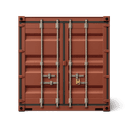
Cargo Coverage
May pay for damage to or theft of the freight you are hauling while it is in your care.
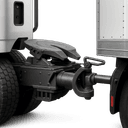
Trailer Interchange
Can help cover damage to trailers you haul under an interchange agreement but do not own.

Bobtail Coverage
May provide liability protection when you drive your tractor without a trailer attached, such as after dropping off a load.

Non-Trucking Liability
Can help cover accidents that happen when you use your truck for personal errands rather than dispatched work.
Commercial Truck Insurance Cost in Saint Paul
Average Cost in Minnesota
$480 - $1,275
per month
Businesses in Minnesota typically see commercial truck insurance premiums of $480 - $1,275 per month, which tends to run 15% above the national range of $400 - $1,125 per month.
- Radius of operation
- Commodities hauled and cargo value
- Number and value of power units
- Driver motor vehicle records and CDL experience
- DOT safety record, inspections, and FMCSA scores
- Liability limits and physical damage deductibles
Contact CPK Insurance for a personalized quote.
Prices shown are general estimates, not guaranteed rates or quotes. Your actual premium will depend on the insurer, coverage selected, business details, location, claims history, and other underwriting factors. Learn about our pricing methodology.
The state pricing picture in Minnesota is shaped by both the market and your operation. Cost depends on your truck count, radius, freight, limits, deductibles, and endorsements. Minnesota's premium index of 102 means carriers here tend to price slightly above the national average, but that does not mean every fleet pays the same. With a competitive market of many active insurers, quotes can differ meaningfully by carrier appetite, endorsement options, and how your operation is classified.
Coverage limits, deductibles, claims history, location, risk profile, and policy endorsements all play a part. In Minnesota, location matters because winter storm exposure is very high, severe storms and tornadoes are high hazards, and flooding remains a moderate concern. A carrier that sees more long-haul miles through storm-prone corridors may price that risk differently than one insuring a local delivery route in a metro area. Claims history also matters because average auto claim costs can influence how carriers view repair and liability exposure.
Your freight type, truck type, and whether you need motor carrier liability, physical damage, cargo, bobtail, or non-trucking liability will all affect the final premium. If you want an exact number, the best next step is a quote that reflects your routes, units, and endorsements rather than a national estimate.
What Makes Saint Paul Different
Dense service work changes the buying calculus here. Many trucks in this market are not running one simple long-haul pattern. They are making frequent stops, entering customer premises, and working around staff, patients, vendors, and parked vehicles. That means your liability structure needs to reflect real street-level exposure, not just mileage estimates. If your operation handles supplies, equipment, maintenance materials, or scheduled route work for institutional clients, take a close look at whether your policy setup fits the stop-and-go nature of that work. A basic quote can miss the operational details that matter most, such as who loads the truck, whether drivers use personal vehicles for errands, or whether contracts require specific certificate language. Proof of coverage is often part of winning and keeping accounts in this environment, so your insurance review should be built around contracts, site access expectations, and recurring service routes, not just truck value.
Our Recommendation for Saint Paul
Start with your route pattern, not just your unit count. If your drivers serve medical offices, care facilities, professional buildings, or mixed commercial accounts, ask for a quote review that looks at each part of your operation separately. Next, pull two or three customer agreements and check whether they ask for higher limits, waiver language, or certificate turnaround before a truck can enter the site. Saint Paul buyers should also review loading and unloading exposure carefully if drivers handle carts, equipment, or supplies at the destination instead of dock-to-dock freight only. If you run a small fleet, keep your driver schedule and garaging details current, because outdated unit use descriptions can create problems at claim time. Before renewing, compare your current declarations page against how the trucks actually operate this quarter, then request a fresh quote if routes, customers, or vehicle use have changed.
Get Commercial Truck Insurance in Saint Paul
Enter your ZIP code to compare commercial truck insurance rates from carriers in Saint Paul, MN.
Business insurance starting at $25/mo
FAQ
Frequently Asked Questions
Saint Paul service routes often involve repeated stops at customer locations rather than one continuous haul. In Ramsey County, health care and social assistance accounts for **16.9% of establishments**, so premises exposure, loading and unloading, and contract-driven liability limits deserve close attention.
Saint Paul area trucking businesses often work for a dense customer base. Ramsey County has 13,646 business establishments, so vendors, property managers, and institutional clients may ask for certificates, specific limits, or additional insured wording before work begins.
Saint Paul owner-operators should bring a vehicle schedule, driver list, loss runs if available, and a few current customer contracts. That helps the quote reflect how often you stop, how far you drive, whether you hire vehicles, and any site-specific insurance requirements.
Saint Paul fleets serving clinics, offices, or care facilities often face tighter site access and contract expectations. Professional, scientific, and technical services make up 12.1% of county establishments, so your clients likely expect clear liability structure and fast certificate handling when you want to keep their business.
Saint Paul median household income is $73,055, which tells you the local customer base has spending power but does not directly change your premium. Your routes, vehicle use, drivers, and contracts usually carry more weight in the quote review.
In Minnesota, the policy can be built around motor carrier liability, physical damage, cargo coverage, trailer interchange, bobtail coverage, and non-trucking liability, depending on how your truck is used. A local gravel hauler, a regional dry van operator, and a long-haul reefer unit running non-owned trailers each face different exposures, so the right mix depends on your specific freight, route, and equipment.
Minnesota commercial auto minimums are listed as $30,000/$60,000/$10,000, and the market is regulated by the Department of Commerce. If you haul freight under federal motor carrier rules, your liability limit may need to be higher than the state minimum, depending on your authority and cargo.
Pricing varies widely based on your operation, limits, deductibles, claims history, location, industry risk, and endorsements. For an exact figure, request a quote that reflects your specific routes, units, and coverage needs.
Sources
- 1.U.S. Census Bureau, County Business Patterns, Ramsey County(Health care and social assistance is the largest establishment sector in Ramsey County at 16.9%.; Ramsey County has 13,646 business establishments.; Professional, scientific, and technical services make up 12.1% of county establishments.)
- 2.U.S. Census Bureau, ACS 5-Year Estimates, table B19013(Saint Paul median household income is $73,055.)
Updated July 16, 2026





