
Updated July 16, 2026

On-Hook Towing Insurance in Saint Paul
Ramsey County's economy runs heavily on health care and social assistance at 16.9% of business establishments, followed by professional services at 12.1% and other services at 11.2%. That mix means your call volume likely tilts toward medical campus lots and office complexes rather than highway recoveries. A damaged vehicle allegation can start with a low-clearance garage exit, a short transport between a repair shop and a medical campus, or a controlled-lot relocation. Local business density also creates a steady mix of vendor traffic, employee parking demand, and private-property towing instructions where documentation matters as much as hook-up technique. If your operation handles these kinds of lot-based assignments, ask for terms that match how your drivers photograph pre-existing damage, secure vehicles, and document release conditions before the truck leaves the lot.
On-Hook Towing Insurance Risk Factors in Saint Paul
Saint Paul's top risk factors include Severe weather, Property crime, Flooding, and Vehicle accidents.
Minnesota has a moderate climate risk rating. Top hazards: Severe Storm (High), Tornado (High), Winter Storm (Very High), Flooding (Moderate). The state's expected annual loss from natural hazards is $1.2B, which influences on-hook towing insurance premiums and may affect coverage availability in high-risk areas.
What On-Hook Towing Insurance Covers
In Minnesota, the practical review is not whether on-hook coverage exists, but how your policy responds to the way your trucks actually work through winter roads, storm cleanups, apartment impounds, dealer transfers, and after-hours roadside calls. If your operation mixes flatbeds, wheel-lifts, and recovery work, ask the agent to walk through each service line and show where a claim would be evaluated while the vehicle is attached, carried, winched, or being set down.
The Minnesota Department of Commerce regulates insurance in the state, which means forms and endorsements filed there are what you should compare when you shop. That matters most when you are deciding how broad you want the wording around loading, unloading, hookup, and transport to be.
Ask how the policy treats a low-clearance vehicle scraping during loading, a pickup shifting on an icy incline, or a disabled vehicle taking additional damage during a storm response tow. Then verify whether your chosen limit is meant for the most valuable unit you may move, not just the average roadside call. If your work includes municipal, law-enforcement, property-management, or finance-company accounts, request specimen wording before you sign the contract so you can compare the insurance requirement to the actual policy language.
Coverage Included

Collision on Hook
Covers damage to towed vehicles from collisions during transport.

Comprehensive on Hook
Covers theft, fire, and weather damage to vehicles being towed.
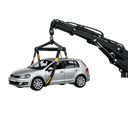
Loading & Unloading
Covers damage during the process of loading and unloading vehicles.

Winching Coverage
Covers damage to vehicles during winching and recovery operations.

Multiple Vehicle
Covers all vehicles on multi-car carriers and rollback flatbeds.
What Makes Saint Paul Different
Saint Paul's dense commercial parking activity shapes what your policy needs to address. In a market tied to health care campuses, professional offices, and service businesses, many tows start in controlled lots where property managers, tenants, patients, and drivers may all have a view on what happened to a vehicle. Your on-hook exposure often starts before the truck moves. Dispatch instructions, lot access, clearance constraints, and the condition record you create all set the stage for whether a short move triggers a damage dispute. More business addresses mean more vehicles to move in tight quarters, and even a two-block transport can carry real claim risk. If your book includes these calls, review whether your policy terms, limits, and claims reporting process fit frequent low-speed, high-documentation towing work rather than assuming every loss scenario looks like a highway recovery.
Our Recommendation for Saint Paul
Start with your actual call mix. If a meaningful share of your work comes from medical offices, commercial landlords, repair facilities, or office properties, tell the agent how often you perform short-distance moves between nearby locations. Those details can matter because the loss story often turns on where the vehicle was picked up, how it was secured, and what condition evidence existed before transport. You should also review driver procedures, not just limits. Ask whether your insurer wants condition photos and intake paperwork after a claim. Saint Paul's median household income is $73,055, so a customer's daily commute may depend on the vehicle you are moving. Disputes over minor alleged damage or delay can become persistent when the owner has few alternatives. Before you bind or renew, line up your policy review with your intake checklist, photo protocol, and any contracts that require proof a vehicle is protected while in transit.
Get On-Hook Towing Insurance in Saint Paul
Enter your ZIP code to compare on-hook towing insurance rates from carriers in Saint Paul, MN.
Business insurance starting at $25/mo
FAQ
Frequently Asked Questions
Saint Paul towing work often starts in business parking areas, not only on open roads. You should review how your policy and procedures handle short relocations, tight access, pre-tow photos, and disputed damage allegations before you rely on standard assumptions.
Saint Paul operators should describe the real mix of calls, including impounds, lot patrols, dealer moves, garage pulls, and storage transfers. When most of your jobs start in a controlled lot, underwriters will want to see how your documentation and handling procedures hold up.
Ramsey County does affect the discussion because the local economy skews toward clinics, offices, and service businesses. Expect more pickups at medical and professional locations where tight access and documentation deserve closer review.
A short transport can still produce a claim because the dispute often starts at pickup, not miles driven. In dense lots and garages, how you loaded the vehicle and what condition you recorded beforehand may matter more than trip length.
Saint Paul buyers should think about the customer's dependence on the vehicle as well as its condition. At a median household income of $73,055, even routine damage allegations can become serious disputes, so ask for a policy review that matches your documentation and release process.
Yes. Police and municipal contracts in Minnesota typically require proof of coverage before you can join the rotation. Compare the required limit and wording to your actual policy before you accept the work.
Minnesota weather can make loading, transport, and unloading claims harder to sort out after the fact. Severe conditions increase the value of photos, dispatch timestamps, and clear procedures when a customer disputes when damage occurred.
Minnesota insurance oversight runs through the Minnesota Department of Commerce, which is the state's insurance regulator. That matters when you are comparing policy forms, reviewing complaint options, or checking whether an insurer's paperwork matches what you were offered.
Sources
- 1.U.S. Census Bureau, County Business Patterns, Ramsey County(Health care and social assistance is the largest establishment sector in Ramsey County at 16.9%, ahead of professional, scientific, and technical services at 12.1% and other services at 11.2%.)
- 2.U.S. Census Bureau, ACS 5-Year Estimates, table B19013(Saint Paul median household income is $73,055.)
Updated July 16, 2026