







































Updated July 16, 2026

Inland Marine Insurance in Gulfport
You sign a downtown lease, line up a short-term renovation, book a vendor spot near the waterfront, or start carrying tools and stock between a shop, a vehicle, and a customer site. Property that leaves your main address, sits in a trailer overnight, or waits for installation can create a gap if your insurance schedule still assumes everything stays at one premises.
Harrison County has roughly 4,325 business establishments, which means your property may move through dozens of job sites, tenant spaces, and customer locations in a typical month. Owners here expect specific insurance wording before they hand over a site, so those frequent handoffs between landlords and subcontractors are part of doing business. Before you shop for coverage, list every category of mobile property you rely on, including tools, diagnostic equipment, leased equipment, installation materials, mobile electronics, and customer items in your care. Then note where it travels, how long it stays offsite, and whether you need itemized scheduling or broader blanket treatment. That gives you a cleaner quote and a better chance of matching limits to how your property is used here.
Inland Marine Insurance Risk Factors in Gulfport
Local risk here starts with property spending time away from a fixed building. Along the coast, work can involve loading and unloading in open areas, temporary storage before installation, and equipment left in vehicles or trailers while crews move between stops. For inland marine, that changes the review from a simple inventory question to a transit, storage, and jobsite-handling question. The practical step is to map where loss could happen before the work is finished. If materials sit at a customer location before installation, if tools stay in a van between calls, or if rented equipment moves from one address to another during the week, ask for those patterns to be reflected in the quote. You should also separate property you own from property you borrow, lease, or hold for a customer, because those categories may need different treatment depending on policy terms. A useful review here focuses less on your storefront and more on how often property is in motion, unattended, or waiting at a temporary location.
Mississippi has a very high climate risk rating. Top hazards: Hurricane (Very High), Tornado (Very High), Flooding (High), Severe Storm (High). The state's expected annual loss from natural hazards is $1.8B, which influences inland marine insurance premiums and may affect coverage availability in high-risk areas.
What Inland Marine Insurance Covers
In Mississippi, inland marine insurance is designed for property that leaves your fixed premises. The coverage centers on tools, equipment, materials, and goods that are in transit, at job sites, or in temporary storage. That can be especially relevant for work moving through coastal counties, central business corridors, and storm-prone inland areas where a project may shift locations or storage may be temporary after severe weather.
The core coverages in this product include tools and equipment, goods in transit, contractors equipment, installation floater, and builders risk. Mississippi does not have a statewide mandate that every business buy this coverage. Policy forms and underwriting can vary by carrier and risk class.
Coverage is typically designed to respond to covered losses involving theft, damage, vandalism, and other insured perils while property is away from your primary location. A contractor's trailer contents, a pallet of materials waiting at a worksite, or equipment stored temporarily between jobs may need separate protection instead of relying on a standard commercial property policy. Because Mississippi has high hurricane exposure and high property crime activity, confirm whether your policy treats offsite storage, transit, and installation work the way your operation actually works.
Coverage Included
Tools & Equipment
Can help repair or replace hand tools, power tools, and gear that are stolen or damaged on the job or in transit.

Goods in Transit
May cover products, materials, and merchandise while they are being shipped or hauled between locations in your care.
Contractors Equipment
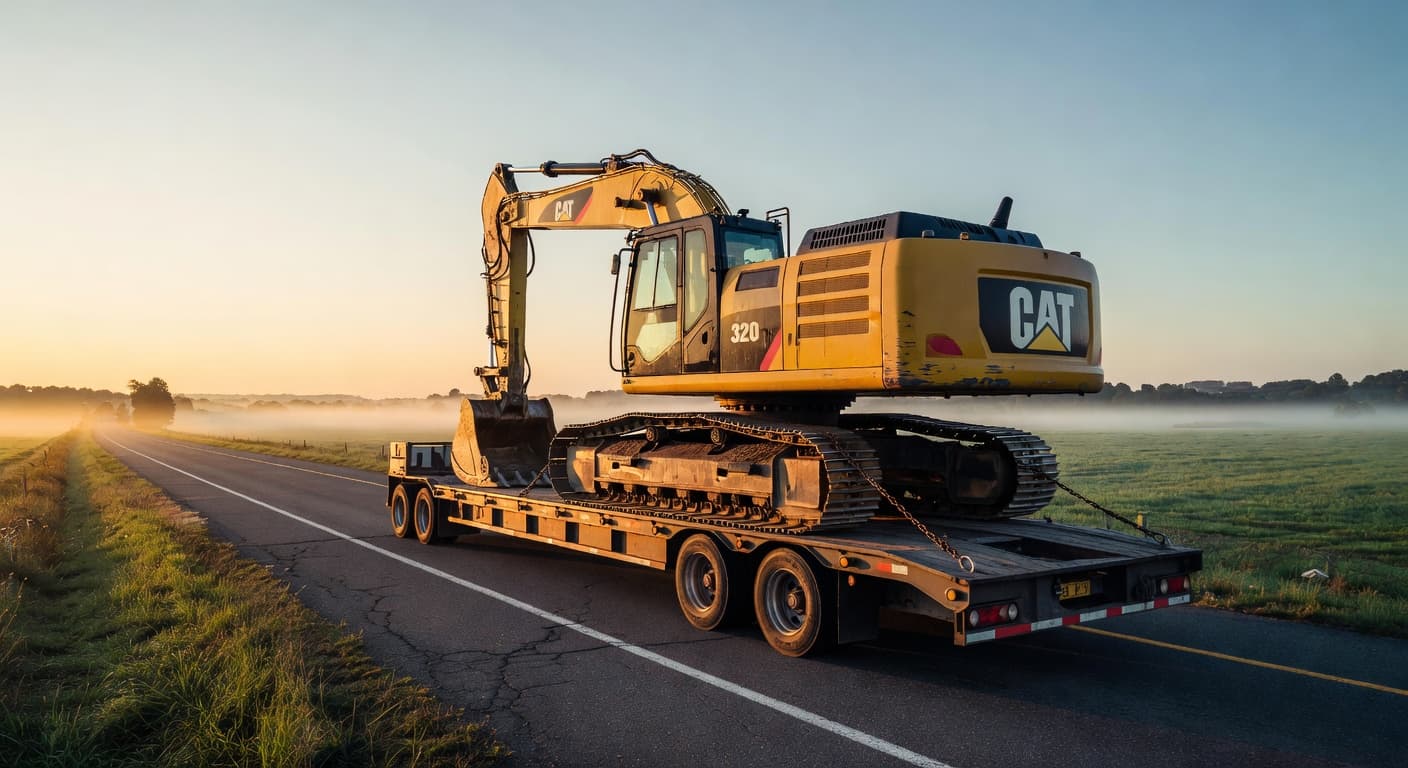
Typically covers heavy machinery like excavators, loaders, and generators against theft or damage at job sites and between them.
Installation Floater
Can help cover materials and fixtures from the moment you buy them until they are installed and accepted at a project.
Builders Risk
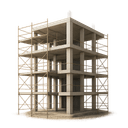
May cover a structure under construction, along with materials on site, against damage from fire, wind, theft, and vandalism.
Inland Marine Insurance Cost in Gulfport
Average Cost in Mississippi
$25 - $100
per month
Businesses in Mississippi typically see inland marine insurance premiums of $25 - $100 per month, which tends to run 4% above the national range of $20 - $100 per month.
- Total insured value of the scheduled property
- Type and age of the equipment
- Where it is stored and how far it travels
- Jobsite security and theft prevention
- Per-item limits and deductibles
- Prior theft and in-transit losses
Contact CPK Insurance for a personalized quote.
Prices shown are general estimates, not guaranteed rates or quotes. Your actual premium will depend on the insurer, coverage selected, business details, location, claims history, and other underwriting factors. Learn about our pricing methodology.
In Mississippi, the average cost of inland marine insurance is $25 to $100 per month. That puts Mississippi slightly below the product's broader range of $20 to $100 per month, but your actual premium still depends on the property you schedule, the route and frequency of movement, and the carrier's underwriting appetite. The state's premium index of 96 means you can expect average pricing to run about 4% below the national baseline, though local conditions can still push your specific rate up or down.
Several Mississippi factors can affect your cost. Hurricane risk is rated very high, tornado risk is very high, and flooding and severe storms are both high, so carriers may price for weather exposure when property is frequently moved or stored in vulnerable areas. Mississippi also logged 222 disaster declarations overall, with recent events including severe storms and tornadoes in 2024 and hurricane or tropical storm damage in 2023. That history can influence how insurers view temporary storage and transit exposure, often leading to stricter underwriting or higher deductibles for weather-related losses. Crime conditions matter too, because the state's property crime rate is 2,340, above the national average of 2,200. Burglary is one of the property crime types with an increasing trend, which can matter for tools and equipment left on job sites or in unsecured storage.
A contractor moving heavy equipment across multiple counties may see different pricing than a small firm moving boxed materials between a warehouse and a single site. Carrier competition can help create options, but it also means underwriting standards vary by insurer and by location.
Industries & Insurance Needs in Gulfport
County business mix is the part that changes the conversation. In Harrison County, retail trade accounts for 18.8% of establishments, accommodation and food services 12.6%, and health care and social assistance 12.3%. So a lot of local property movement is not heavy construction inventory alone. It can also be point of sale equipment, small mobile stock, food service equipment, diagnostic devices, or materials delivered for a quick tenant improvement before opening.
That matters when you build a quote because inland marine schedules often work best when they match the kind of property you actually move. A restaurant supplier, clinic vendor, retail fixture installer, or service contractor may need different descriptions, limits, and valuation approaches even if the total property value looks similar on paper. If your work touches several of these sectors, ask for the quote to break out the main property categories instead of using one broad label. That can make exclusions, sublimits, and valuation terms easier to review before a loss happens.
What Makes Gulfport Different
In a market tied to storefronts, hospitality properties, clinics, and service locations, your property may travel short distances often, with frequent loading, unloading, and temporary staging. That pattern creates exposure in the transitions, not just at the main address. A contractor delivering materials to a tenant buildout, a vendor setting equipment at a hotel, and a service firm carrying customer property for repair all deal with property that changes hands or location before the job is complete.
Your review should focus on those handoff points. Ask whether the quote contemplates transit, temporary storage, installation exposure, and customer property in your care, because those are the places where a local operation can outgrow a simple premises-based assumption.
Our Recommendation for Gulfport
Start with a property map, not a generic application. Group your mobile property by type, note approximate values and ownership, and track the places it goes during a normal week. If some items stay in vehicles overnight, some are dropped at customer sites before installation, and others are borrowed or rented, separate those facts clearly so the quote can be built around real exposure.
From there, decide where scheduling matters. High-value tools, electronics, or specialized equipment may deserve itemized treatment, while lower-value stock or materials may fit better under a broader approach, depending on policy terms. If you serve retail, hospitality, or health care clients, ask whether customer-site storage and installation periods are contemplated. Those jobs often involve property sitting away from your address before the work is finished.
Review valuation and documentation as part of the same step. Keep serial numbers, photos, purchase records, and rental agreements together before you bind coverage. Request a free, no-obligation quote that tests your actual routes, storage habits, and job timing, not just your mailing address.
Get Inland Marine Insurance in Gulfport
Enter your ZIP code to compare inland marine insurance rates from carriers in Gulfport, MS.
Business insurance starting at $25/mo
FAQ
Frequently Asked Questions
Even short trips can create exposure, because the risk comes from property leaving the main premises, sitting in a vehicle, or waiting at a customer site. Distance matters less than how often items move and where they are temporarily stored.
Equipment delivered before opening day is a common concern for vendors in this area. Harrison County's business mix includes retail trade at 18.8% and accommodation and food services at 12.6%. In other words, nearly one in three local businesses is retail or food service, which means a large share of your potential clients may have equipment and materials sitting idle before opening day while they wait for installation or setup.
Separating tools from installation materials is worth asking about. High-value tools and mobile equipment may need different treatment than materials that are consumed or installed at a jobsite, depending on policy terms, valuation method, and how long property stays offsite.
With 4,325 business establishments in the county, local work often involves more delivery points, customer handoffs, and temporary locations. **That many commercial destinations in one county means your property could pass through multiple custody arrangements in a single week, and each one shifts who is responsible if something goes missing or gets damaged.**
Start by pulling together a current equipment list with approximate values, serial numbers, ownership details, and the addresses where property travels or is stored. That helps the quote reflect real movement, temporary storage, and any customer property in your care.
It can cover tools, equipment, and materials that are in transit, at job sites, or in temporary storage, which is useful for Mississippi contractors working across places like Jackson, Gulfport, or Hattiesburg.
The policy is designed to follow covered property away from your fixed location, but the exact treatment of temporary storage depends on the carrier and the policy wording, which matters in Mississippi's high hurricane and tornado risk environment.
Contractors, electricians, plumbers, landscapers, and other businesses with portable gear should review it, especially if equipment is regularly moved across counties or left at active work sites.
Sources
- 1.U.S. Census Bureau, County Business Patterns, Harrison County(Harrison County has 4,325 business establishments, so local work often means frequent handoffs between landlords, customers, subcontractors, and temporary job locations.; In Harrison County, retail trade accounts for 18.8% of establishments, accommodation and food services 12.6%, and health care and social assistance 12.3%.)
Updated July 16, 2026





