Updated July 16, 2026

Key Takeaways
- List every towing and transport service you perform before requesting quotes, so loading, unloading, winching, and recovery exposures are reviewed correctly.
- Compare the on-hook limit, deductible, valuation method, and exclusions side by side instead of choosing a policy on premium alone.
- Ask in writing whether your policy addresses the specific vehicles you tow most often, especially specialty, modified, low-clearance, or higher-value units.
- Use pre-tow photos, condition notes, and signed release procedures on every job to reduce disputes and support claims handling.
- Review on-hook coverage together with auto liability and any garagekeepers coverage before renewal to catch gaps between transport and storage.
On-Hook Towing Insurance in Mississippi
Do you need a separate policy review for on-hook towing work in Mississippi, or can you rely on the rest of your towing insurance program? In most cases, you should review it separately, because claim disputes often turn on the exact moment a vehicle is attached, loaded, carried, or unloaded. If you are shopping for this coverage, the practical question is not just whether you have a limit on paper, but whether your limit, truck setup, territory, and dispatch mix match the vehicles you actually move across the state.
This matters when your week includes roadside calls on rural highways, police-directed tows after crashes, dealer transfers between towns, or storage-yard releases where condition disputes can surface fast. Mississippi weather also raises the stakes for securement, loading surfaces, and post-loss documentation, especially after heavy rain, wind, or storm cleanup changes the condition of roads and recovery scenes. Before you ask for quotes, line up your truck list, service types, radius, driver roster, and the photos or check-in procedures you use before hookup. That gives you a cleaner submission and a more useful quote to compare.
What On-Hook Towing Insurance Covers
In Mississippi, the useful review is not the basic definition of on-hook coverage, but the points where a claim becomes hard to sort out. You want to check how your policy language and limits respond to the way your drivers actually work. Wheel-lift versus flatbed moves, routine roadside tows versus recovery work, and short local runs versus longer transports between counties all affect how damage is alleged, how quickly a dispute escalates, and whether the loss stays within the limit you selected.
A sharp review usually starts with the handoff moments. Look closely at loading and unloading procedures, because that is where customers, body shops, storage lots, and law enforcement scenes often create conflicting accounts about prior damage, securement points, or whether a vehicle was operable before the tow. If your operation handles low-clearance vehicles, damaged pickups, SUVs, or units with modified suspensions, ask for policy review around the kinds of vehicles that create higher severity when they shift, scrape, or suffer undercarriage damage.
You should also review where your on-hook exposure overlaps with the rest of your towing program. A buyer in Mississippi does not need broad promises. You need clarity on what is being considered under your policy, what documentation supports the claim, and what exclusions or conditions could matter during recovery work, storm response, or after-hours impounds. The Mississippi Insurance Department is the state's insurance regulator, so if you are comparing forms and endorsements, keep your questions organized and ask for written confirmation of how the policy is intended to respond to your operation. That is especially important before you add a truck, expand your service radius, or take on more police, municipal, or commercial account work.
Collision on Hook
Covers damage to towed vehicles from collisions during transport.
Comprehensive on Hook
Covers theft, fire, and weather damage to vehicles being towed.
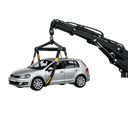
Loading & Unloading
Covers damage during the process of loading and unloading vehicles.
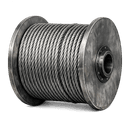
Winching Coverage
Covers damage to vehicles during winching and recovery operations.
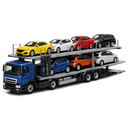
Multiple Vehicle
Covers all vehicles on multi-car carriers and rollback flatbeds.
On-Hook Towing Insurance Requirements in Mississippi
- Mississippi storm conditions can change loading surfaces, shoulder stability, and roadway debris quickly, so securement procedures and scene documentation deserve closer review before the next weather-driven dispatch.
- If your service area includes long rural runs between pickup and drop-off points, review whether your limit still fits the vehicles you tow and the time they remain in your care.
- Operators handling police-directed tows, private property impounds, or after-hours releases in Mississippi should tighten photo, release, and prior-damage procedures because disputes often center on the handoff moments.
- A mixed Mississippi fleet should be scheduled with accurate use descriptions for each unit, especially if some trucks focus on dealer transport while others handle recovery or impound work.
How Much Does On-Hook Towing Insurance Cost in Mississippi?
For Mississippi towing operators, the price discussion works best when you treat on-hook as an exposure built from claim severity, not as a flat add-on. Underwriters usually look at what you tow, how often you tow it, how it is secured, where you operate, and how a claim file would read if a customer says the damage happened while the vehicle was in your care. That means two operators in the same part of Mississippi can see very different quotes if one mainly handles scheduled dealer moves and the other rotates through roadside calls, recoveries, impounds, and after-hours releases.
Your truck configuration matters because it changes the loss profile. Flatbeds, wheel-lifts, integrated units, and mixed fleets create different loading and transport exposures. Standard passenger cars are one thing, but luxury vehicles, motorcycles, lifted trucks, EVs, heavily damaged units, and commercial vehicles can push the quote in a different direction because the repair bill and dispute potential can rise quickly.
Mississippi operating conditions also affect cost even without a state-specific rate rule. If your routes include rural roads, storm cleanup, muddy shoulders, flood-prone areas, or crash-scene recoveries, the underwriter may focus more closely on driver experience, dispatch controls, and photo documentation. Limits and deductibles also shape the quote, as does your claims history and whether you can show consistent pre-tow and post-drop procedures.
To get a quote you can actually use, submit a clean schedule of trucks, service types, towing radius, storage exposure, and any subcontracted work. Then compare not just price, but limit adequacy, deductible fit, and how the form handles the kinds of losses your drivers are most likely to face in Mississippi.
Request a Quote Comparison
Enter your ZIP code to compare on-hook towing insurance rates from top carriers.
Business insurance starting at $25/mo
Who Needs On-Hook Towing Insurance?
In Mississippi, the buyers who need the closest review are usually the operators whose work changes by the day. If your trucks move from roadside assistance to accident scenes, private property impounds, dealer transfers, repossessions, or storm-related calls, your on-hook exposure is not theoretical. It follows the vehicle from the moment your driver takes control, and the claim often turns on whether you can show condition, securement, and handling at each step.
That includes traditional towing companies, but it also reaches businesses that may describe themselves differently in contracts or online. If you transport disabled vehicles for repair shops, move inventory for dealers, handle municipal rotations, or perform recovery and winching that leads into a tow, you should review whether your setup matches that work. The more varied the dispatch mix, the more important it is to avoid assuming one generic limit fits every call.
Mississippi operators with rural service areas should pay particular attention. Longer distances between pickup and drop-off points can increase time in tow, road-surface variability, and the chance that a customer disputes when damage occurred. The same is true if you work after storms or in areas where standing water, debris, or soft shoulders complicate loading and unloading. You should also review this coverage if you are adding trucks, hiring new drivers, taking on police-directed work, or moving into higher-value vehicles. Those changes can alter both the severity of a potential claim and the documentation standard you need to defend it. Before renewal, match your current accounts, vehicle types, and dispatch patterns against your existing limit and ask for a quote review based on how your Mississippi operation runs now, not how it looked a year ago.
On-Hook Towing Insurance by City in Mississippi
On-Hook Towing Insurance rates and coverage options can vary across Mississippi. Select your city below for localized information:
How to Buy On-Hook Towing Insurance
To buy this coverage well in Mississippi, start by building a submission that shows how your operation actually handles a vehicle from dispatch to drop. List each truck, how it is equipped, what services it performs, the territory it runs, and the kinds of vehicles it most often moves. If one unit mainly handles dealer transfers and another takes night calls, recoveries, and impounds, separate that clearly.
Next, gather the operating details that underwriters use to judge claim defensibility. That includes driver experience, any training on loading and securement, your photo process before hookup and after delivery, and how dispatch notes are stored. In Mississippi, that documentation matters because weather, road conditions, and mixed urban-rural service areas can make it harder to reconstruct what happened after a loss. The cleaner your records, the easier it is to compare quotes on substance instead of guessing.
Then review the quote around real claim scenarios. Ask how the form is intended to respond when a vehicle arrives with prior damage, when a low-clearance unit scrapes during loading, when a recovery turns into a tow, or when a customer disputes condition after an after-hours drop. You want written clarity on limits, deductibles, and any conditions that could affect payment, not broad assurances.
Finally, keep your Mississippi renewal process active instead of automatic. Any meaningful change in your fleet, territory, or account mix can materially alter the exposure, and the right time to fix a mismatch is before the next dispatch, not after a claim file opens. Request a quote through CPK Insurance to compare your options with participating licensed providers.
How to Save on On-Hook Towing Insurance
The best way to save in Mississippi is to make your operation easier to underwrite and easier to defend. Start with documentation that shows the vehicle's condition before hookup, during transport when practical, and at delivery or release. Time-stamped photos, dispatch notes, signed releases, and consistent damage notation can help underwriters see a controlled operation, and they can help you challenge weak allegations after a claim.
You can also save by separating exposures instead of blending everything into one vague description. If certain trucks only handle lower-severity work, say so. If a flatbed is used for scheduled dealer moves while another unit handles recoveries and impounds, present those differences clearly. Mississippi operators often lose pricing advantages when every truck is described as doing everything, because the underwriter has to assume the broadest risk profile.
Driver selection and procedure discipline matter too. Review who is authorized for recoveries, who handles specialty vehicles, and how securement is checked before leaving the scene. If your operation works in storm-affected areas or on rural routes with soft shoulders and uneven loading surfaces, document the controls you use there as well. That can support a more favorable underwriting view than a submission that simply lists services without showing how risk is managed.
You should also revisit limits and deductibles with intent. Choose a deductible your business can absorb, remove outdated assumptions from the application, and update the quote whenever your Mississippi dispatch mix changes.
Our Recommendation for Mississippi
For Mississippi towing operators, the strongest buying move is to test your on-hook quote against your hardest claims, not your easiest ones. Build three or four real scenarios from your last year of dispatches. Think of a damaged pickup on a rural shoulder, a low-clearance car on a flatbed, an after-hours impound release, or a storm-related recovery that turns into a tow. Then ask whether your current limit, deductible, and documentation process fit those losses.
I would also review how each truck is described on the application. If your fleet is mixed, do not let a scheduled transport unit get rated like a recovery truck unless that is truly how it operates. The reverse matters too. Understating recovery or impound work can create problems later if the claim file shows a different operation than the submission did.
Mississippi weather and road conditions make photo discipline especially important. Require clear intake images, note prior damage before hookup, and keep dispatch records tied to the job number. If a customer disputes condition later, that file often matters as much as the policy language. Before binding or renewing, ask for written confirmation on any point that feels assumed. Vehicle types, service radius, recovery work, after-hours releases, and subcontracted tows all deserve that level of attention.
FAQ
Frequently Asked Questions
Towing companies in the state usually should review it separately, because the moment a vehicle is attached, loaded, carried, or unloaded is often where the claim becomes hard to sort out. The Mississippi Insurance Department is the state's insurance regulator, so keep policy questions specific and request written clarification.
Weather here can affect underwriting by changing road conditions, loading surfaces, and recovery difficulty after storms or heavy rain. That usually makes photo documentation, securement procedures, and accurate service descriptions more important when you request and compare quotes.
Tow companies should include each truck, its equipment, service type, towing radius, driver information, and the kinds of vehicles moved most often. A cleaner submission gives you a quote that is easier to compare for limits, deductibles, and operational fit.
Rural towing can change the exposure because longer runs, uneven shoulders, and fewer controlled loading areas can complicate both the tow and the later claim. Review your limit, deductible, and documentation process with those conditions in mind.
Operators should usually separate recovery, impound, dealer transport, and routine roadside work if those services are materially different. That helps the underwriter evaluate the real loss profile instead of assuming every truck performs the broadest, highest-severity work.
Towing businesses should not assume the old setup still fits after fleet growth or new contracts. A fresh quote review is worth requesting whenever your operation shifts in ways that could change claim severity.
Tow operators often make the mistake of submitting a generic description of the business instead of showing how each truck is actually used. That can lead to a quote that looks workable until a claim exposes gaps in limits or operations.
On-hook towing insurance may cover damage to a customer vehicle while it is being loaded, attached, carried, winched, or unloaded by your tow truck, depending on the policy terms. Buyers should review collision, fire, theft, weather, and loading-related damage carefully.
Sources
- 1.Mississippi Insurance Department(The Mississippi Insurance Department is the state's insurance regulator.)
Updated July 16, 2026