








































Updated July 16, 2026

Commercial Truck Insurance in Jackson
A commercial truck insurance quote in Jackson usually looks different from what you would see for the rest of Mississippi. What sets it apart is stop frequency. Your trucks work short urban routes, back into customer lots, and serve a county economy heavy on retail, health care, and service activity. That matters if you run box trucks, delivery vans, dump trucks, service bodies, or light and medium duty units that spend more time backing, unloading, and moving between tight schedules than covering long interstate miles.
In Hinds County, there are 4,915 business establishments. That density means your drivers are entering lots and docks designed for passenger cars, not commercial vehicles, which raises the odds of a low-speed backing or premises claim. The county business mix leans toward retail trade, health care and social assistance, and other services. Those sectors run on tight delivery windows and on-site vendor visits, which puts your trucks in close contact with customer property several times per day. Bring your operations summary into the quote process so the carrier sees your real route pattern instead of a generic Mississippi trucking profile.
Commercial Truck Insurance Risk Factors in Jackson
Jackson's top risk factors include Flooding, Hurricane damage, Coastal storm surge, and Wind damage.
Mississippi has a very high climate risk rating. Top hazards: Hurricane (Very High), Tornado (Very High), Flooding (High), Severe Storm (High). The state's expected annual loss from natural hazards is $1.8B, which influences commercial truck insurance premiums and may affect coverage availability in high-risk areas.
What Commercial Truck Insurance Covers
In Mississippi, commercial truck insurance is usually built around the way your truck operates, not a one-size-fits-all package. Motor carrier liability is the core protection for freight-hauling operations. Physical damage may help cover your truck itself, while cargo coverage may apply to the goods you are transporting. Trailer interchange can matter if you use non-owned trailers under interchange agreements, and bobtail or non-trucking liability can be important for owner-operators who are off dispatch or driving without a trailer.
The state minimum commercial auto limits are the standard split limits, but trucking operations often need higher limits because federal freight requirements can be higher and shippers or brokers may ask for more. For general freight, a federal liability minimum applies, with higher limits possible for hazardous materials. Mississippi's elevated hurricane, tornado, flooding, and severe-storm risk can also affect how endorsements are attached and how physical damage deductibles are set. That means you may see separate wind or hail deductibles, especially for trucks parked along the Gulf Coast.
Coverage can vary by truck type too. Most common commercial vehicles are eligible, from semis and flatbeds to box trucks and tankers. What is excluded or limited depends on endorsements, deductibles, and the way the vehicle is used on Mississippi routes, especially if you regularly move through high-risk weather corridors or dense freight lanes near Jackson and other commercial centers.
Coverage Included

Motor Carrier Liability
Can help cover injuries and property damage your truck causes to others, a coverage federal regulators require most for-hire carriers to maintain.
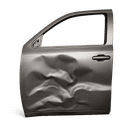
Physical Damage
Can help pay to repair or replace your own truck after an accident, fire, theft, or vandalism.
Cargo Coverage
May pay for damage to or theft of the freight you are hauling while it is in your care.
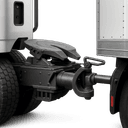
Trailer Interchange
Can help cover damage to trailers you haul under an interchange agreement but do not own.

Bobtail Coverage
May provide liability protection when you drive your tractor without a trailer attached, such as after dropping off a load.

Non-Trucking Liability
Can help cover accidents that happen when you use your truck for personal errands rather than dispatched work.
Commercial Truck Insurance Cost in Jackson
Average Cost in Mississippi
$400 - $1,100
per month
Businesses in Mississippi typically see commercial truck insurance premiums of $400 - $1,100 per month, which tends to run 2% below the national range of $400 - $1,125 per month.
- Radius of operation
- Commodities hauled and cargo value
- Number and value of power units
- Driver motor vehicle records and CDL experience
- DOT safety record, inspections, and FMCSA scores
- Liability limits and physical damage deductibles
Contact CPK Insurance for a personalized quote.
Prices shown are general estimates, not guaranteed rates or quotes. Your actual premium will depend on the insurer, coverage selected, business details, location, claims history, and other underwriting factors. Learn about our pricing methodology.
Pricing for Mississippi trucking coverage varies based on several factors. Your actual cost can move based on limits, deductibles, claims history, and location. Higher limits or a spotty claims history push the price up. A clean record and conservative deductibles can pull it down.
Mississippi's weather profile is one of the biggest pricing influences for trucking risk. The state faces significant hurricane and tornado exposure, plus high flooding and severe-storm risk, and those hazards can push up the cost of physical damage coverage or affect how carriers price comprehensive-style exposure. Recent severe storms and tornadoes have caused substantial damage, which makes underwriting more cautious in exposed areas. Past hurricane and tropical storm events have reinforced that pattern. In plain terms, carriers have paid out heavily for weather losses recently, so they price that risk into physical damage coverage.
Claims history and location also matter. High auto claim costs in the state can influence truck liability pricing. If your operation runs near higher-traffic freight corridors, through storm-prone counties, or into areas with frequent theft or collision exposure, carriers may quote differently. With many insurers active in the state, comparing quotes from multiple carriers is especially important because pricing and appetite can vary by truck class, route, and endorsement needs.
Industries & Insurance Needs in Jackson
The county business mix is the clearest reason trucking exposure changes here. In the county containing Jackson, retail trade accounts for 15.3% of establishments, health care and social assistance 14.1%, and other services 11.3%, so many insured vehicles are not pure long-haul units. They are delivery trucks, service trucks, and mixed-use commercial vehicles working repeated stops, customer premises, and tighter appointment windows.
That changes what you should review in a quote. If your drivers back into retail loading zones, deliver to clinics or care facilities, or carry tools and parts to service calls, ask for liability limits, physical damage deductibles, hired and non-owned auto if applicable, and cargo or inland marine to be matched to those operations. In Hinds County there are 4,915 business establishments, so proof of coverage requests, additional insured discussions tied to contracts, and certificate turnaround can become part of day-to-day operations. A useful quote here starts with who you deliver for, where units are parked, and how often drivers enter customer-controlled property.
What Makes Jackson Different
In a market centered on deliveries, vendor visits, and service calls, your exposure is often created at the curb, in the lot, at the dock, or while backing near customer property. It happens at the stop, not just on the highway.
That is why a Jackson truck policy review should start with route density and stop type before anyone talks about price. A contractor with one dump truck, a pharmacy delivery operation, and a service company with utility bodies can all own commercial vehicles. The questions shift once you consider loading practices, unattended vehicle time, tools or cargo left in units, and whether drivers regularly enter hospitals, stores, apartment sites, or office properties. If your current policy was built around mileage alone, ask whether the carrier has the right vehicle classes, use descriptions, and endorsements for local delivery or service operations.
Our Recommendation for Jackson
Start your review with operations, not just the truck schedule. List each unit by body type and use, then separate vehicles that serve Jackson retail and clinic customers from those used mainly for hauling between owned locations. That helps you match coverage to the routes your drivers actually run.
If you serve retailers, clinics, property managers, or service customers, ask your agent to review certificate handling, hired and non-owned auto exposure for employee errands or rented units, and whether tools, equipment, or transported goods belong under the auto policy, inland marine, or cargo coverage. If units are financed, confirm the deductible and physical damage basis still fit the truck's value and your cash flow. Jackson buyers should also review garaging, driver MVR standards, and radius assumptions before renewal. A policy built on the wrong operating pattern can create friction at claim time.
Get Commercial Truck Insurance in Jackson
Enter your ZIP code to compare commercial truck insurance rates from carriers in Jackson, MS.
Business insurance starting at $25/mo
FAQ
Frequently Asked Questions
Jackson delivery fleets often make repeated stops at customer locations, which creates more backing, loading, and premises interaction than a mileage-only rating view captures. Review vehicle use, stop patterns, and customer-site requirements before renewing.
Hinds County has 4,915 business establishments, so many truck operators here work with stores, care facilities, and service customers that expect certificates and clear liability terms before work begins or deliveries are accepted.
Service trucks should be reviewed for liability, physical damage, and any gap between auto coverage and protection for tools, parts, or transported equipment. The right structure depends on what stays in the vehicle and where crews work.
Hinds County leans toward retail trade at 15.3%, health care and social assistance at 14.1%, and other services at 11.3%. Those three sectors alone account for roughly four in ten county businesses, which means a large share of local trucking work involves short urban routes and on-site customer interaction rather than long-haul mileage.
Jackson buyers usually get a more usable quote by bringing a unit schedule, driver list, garaging address, radius, commodity or equipment details, and any customer contract requirements. That gives the carrier enough detail to price around your actual day-to-day work.
Contact CPK Insurance to request a quote from a participating licensed provider in your area.
In Mississippi, the policy can be built around motor carrier liability, physical damage, cargo coverage, trailer interchange, bobtail coverage, and non-trucking liability, depending on whether you run long haul, regional, or local freight.
Mississippi requires commercial auto minimums of $25,000/$50,000/$25,000, while freight carriers may also need to meet federal liability expectations such as $750,000 for general freight and more for hazardous materials.
Sources
- 1.U.S. Census Bureau, County Business Patterns, Hinds County(In Hinds County, there are 4,915 business establishments, so a lot of trucking risk here comes from vendor access, loading areas, certificates of insurance, and jobsite expectations before a delivery or service call starts.; In the county containing Jackson, retail trade accounts for 15.3% of establishments, health care and social assistance 14.1%, and other services 11.3%, so many insured vehicles are not pure long-haul units.)
Updated July 16, 2026





