Updated July 16, 2026

Dealer Open Lot Insurance in Jackson
Dealers in Jackson often ask whether a dealer open lot policy here needs to be reviewed differently than elsewhere in Mississippi. It does, because the local buying environment shapes what sits on your lot. Jackson buyers frequently shop to a tighter household budget. That means your inventory may include more older units, more price-sensitive stock, and a wider spread between front-line retail vehicles and lower-value trade-ins. Your limit, valuation method, and reporting requirements should match what is actually parked in your display rows, overflow spaces, or recon lanes. A policy review here is less about a generic city label and more about whether your inventory profile shifts week to week, whether a single hailstorm could hit concentrated value in one section, and whether your current limit still reflects peak counts. Before you request a quote, consider pulling a current inventory list by location and value band so the discussion starts with real exposure.
Dealer Open Lot Insurance Risk Factors in Jackson
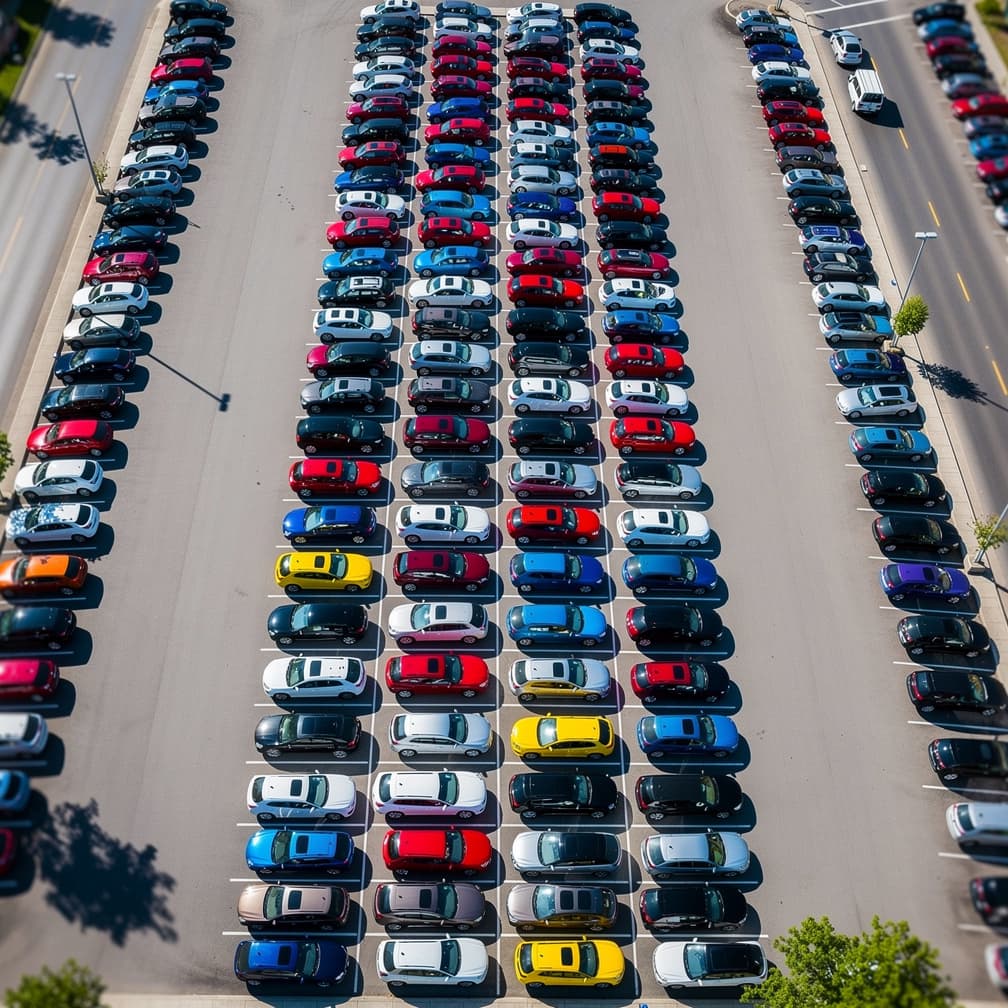
Local weather concentration is the part to review closely. Mississippi faces severe convective storms, hurricanes, tornadoes, and flooding at the state level, so a Jackson lot still needs a practical look at how vehicles are parked, where runoff collects, and whether high-value units are clustered too tightly. The issue is not just whether a storm happens, but how many vehicles could be damaged in one event before you can move them. If your operation uses a main display area plus side storage, service-lane parking, or nearby overflow, map each area by surface condition, drainage, fencing, and distance from trees or light poles. Then compare that layout to your per-location values and any peak seasonal inventory. That gives you a better basis for asking whether the current **limit, deductible, and location schedule** still fit the way inventory is actually stored here.
Mississippi has a very high climate risk rating. Top hazards: Hurricane (Very High), Tornado (Very High), Flooding (High), Severe Storm (High). The state's expected annual loss from natural hazards is $1.8B, which influences dealer open lot insurance premiums and may affect coverage availability in high-risk areas.
What Dealer Open Lot Insurance Covers
The narrower question is where a loss can start, how quickly it can spread across multiple units, and whether your policy language follows the way your dealership actually stores and moves vehicles.
Start by reviewing how the policy treats vehicles at each location you use. A main lot may be scheduled clearly, while a back lot, repair yard, or borrowed overflow space creates a different documentation issue if it is not disclosed up front. If you attend local sales events, move units to detail shops, or store vehicles temporarily after purchase and before front-line placement, ask whether those situations fit within your covered handling activities or need separate attention.
Mississippi weather also changes the practical side of coverage review. Wind, hail, heavy rain, and storm-related debris can damage many units in one event, so deductible structure, valuation method, and any location-specific conditions deserve a line-by-line check. Theft and vandalism review should be just as concrete. Underwriters often want to know about fencing, lighting, camera placement, key control, and after-hours access because those details affect both pricing and claim defensibility.
A strong review also separates dealer open lot from garage liability, property, and inland movement exposures. If a vehicle is being test-driven, transported between addresses, or held offsite, confirm which policy responds first and what documentation you would need after a loss. That is where many dealers find the real coverage gap, not in the headline peril list, but in the handoff between one exposure and another.
Coverage Included

Weather Damage
Covers hail, wind, flood, and storm damage to lot inventory.

Theft Protection
Covers vehicles stolen from your lot.

Fire Damage
Covers fire and explosion damage to inventory vehicles.

Vandalism
Covers intentional damage to vehicles on your lot.
Test Drive Coverage
Covers vehicles during customer and employee test drives.
Transit Coverage
Covers vehicles being moved between lot locations.
Industries & Insurance Needs in Jackson
Hinds County has 4,915 business establishments, and its largest establishment shares are retail trade at 15.3%, health care and social assistance at 14.1%, and other services except public administration at 11.3%. For a local dealer, that mix matters because it points to a customer base with practical transportation needs, service traffic, and steady demand for affordable daily-use vehicles rather than a purely discretionary market. It can also mean more trade-ins, more mixed-condition inventory, and more vehicles waiting for detail, repair, or title work before sale. Those operational details affect open lot exposure because units may sit in different areas and at different stages of readiness, not just in one neat sales row. When you review coverage, separate sale-ready inventory from vehicles in recon or overflow so the schedule and limit discussion reflects how the lot actually functions.
What Affects Dealer Open Lot Rates in Jackson
Jackson median household income is $43,238, so many dealers here compete for budget-conscious buyers and may stock a heavier share of older vehicles, lower price points, or mixed-value trade-ins. That changes the insurance conversation because dealer open lot pricing is tied to total inventory values, concentration by location, and how quickly units move on and off the lot. If your mix shifts toward lower-value units, you may not need the same limit structure you carried when average unit values were higher. If you keep both front-line inventory and unreconditioned trades, the opposite problem can happen: values look modest from the street, but total count and accumulation still push exposure up. Bring a current inventory aging report and a location-by-location value summary into the quote process so the limit is built around actual stock, not last quarter's assumptions.
What Makes Jackson Different
When household budgets are tighter, dealers tend to carry a broader spread of vehicle ages, conditions, and price points. That can distort how you think about lot exposure. A row of older units may look less severe than a row of late-model trucks, but your policy risk is still driven by total accumulated value, vehicle count, and how much inventory is exposed in one weather event. The county business base leans heavily toward retail and service activity, which supports practical commuter demand and a steady flow of trade-ins. Your exposure may be less about a single high-value segment and more about constant movement between display, recon, service-adjacent parking, and overflow storage. The useful question is not whether the lot looks full, but whether your limit and location schedule still match the way vehicles are actually distributed today.
Our Recommendation for Jackson
Start with a location-specific inventory worksheet. List every place vehicles sit, from main display rows to side areas, overflow spaces, service-lane parking, and any offsite storage. Total values separately so you can see where accumulation is highest. Then review valuation and reporting terms against your actual stock mix. If you carry older units, fresh trade-ins, and sale-ready inventory at the same time, ask how each category is being valued after a loss and whether peak inventory periods need special attention. A deductible that works for a single-unit loss may not make sense for a multi-vehicle weather claim, so check whether yours still fits how claims actually happen on a dealer lot. If your operation changes inventory counts quickly, consider updating the carrier or agent before the next storm season instead of waiting for renewal. Bringing a current inventory list, recent peak counts, every storage location, and notes on drainage or surface conditions at each area helps the conversation start with real exposure.
Get Dealer Open Lot Insurance in Jackson
Enter your ZIP code to compare dealer open lot insurance rates from carriers in Jackson, MS.
Business insurance starting at $25/mo
FAQ
Frequently Asked Questions
Jackson dealers often serve budget-conscious buyers, so inventory may include more older units and trade-ins. That makes limit selection and valuation terms worth reviewing against actual lot values, not assumptions.
Show each storage area separately, including the main lot, side rows, service-lane parking, and any overflow space. A location-by-location inventory count and value summary helps the quote reflect where vehicles actually accumulate during the week.
Hinds County has 4,915 business establishments. That volume supports a steady flow of local shoppers and trade-ins throughout the year, which can increase mixed-condition inventory and make separate values for sale-ready and recon units more important.
Inventory with older vehicles is not automatically simpler. Lower per-unit values can still add up if counts are high or vehicles are concentrated in one area, so review total accumulated value and peak inventory periods before setting limits.
Hinds County's largest establishment shares are retail trade at 15.3%, health care and social assistance at 14.1%, and other services at 11.3%. Your buyers are mostly working in sectors that rely on dependable daily transportation, which can mean more commuter-oriented stock, trade-ins, and recon inventory to schedule correctly.
Often, yes. If sale units are stored away from the main lot, disclose that clearly during quoting so the policy addresses where inventory actually sits rather than assuming every vehicle stays at one primary address.
Policies may address storm-related damage, but the real question is how deductibles, valuation, and reporting apply when many units are hit in one event. Review those terms before binding so a lot-wide loss does not create an avoidable surprise.
The Mississippi Department of Insurance regulates policy forms, complaint procedures, and claim handling practices for the state. If a dispute arises over a claim or policy form, that is where you would file a complaint or seek resolution.
Sources
- 1.U.S. Census Bureau, ACS 5-Year Estimates, table B19013(Jackson median household income is $43,238.)
- 2.U.S. Census Bureau, County Business Patterns, Hinds County(Hinds County has 4,915 business establishments.; Hinds County's largest establishment shares are retail trade at 15.3%, health care and social assistance at 14.1%, and other services except public administration at 11.3%.)
Updated July 16, 2026