







































Updated July 5, 2026

Inland Marine Insurance in Jackson
A lot of local buyers start this review when a downtown lease is signed, a subcontract requires proof of coverage before materials are dropped, or a crew begins rotating tools between a shop, a van, and a temporary job site. Inland marine insurance in Jackson matters most when your property is in motion or sitting somewhere your main property policy was not built around. That can mean a contractor staging equipment near Fondren for a week, a retailer moving display fixtures between locations, or a service business carrying diagnostic gear across the metro during a packed workday. The city difference is not a separate insurance rule. It is the operating pattern here: short-haul movement, temporary storage, and customer-facing work that puts tools, materials, and mobile equipment outside one fixed address. If that sounds like your setup, ask for a quote that schedules the property you actually move, notes where it is commonly stored, and separates owned equipment from customer property or installation exposures before a certificate is requested.
Inland Marine Insurance Risk Factors in Jackson
Jackson's top risk factors include Flooding, Hurricane damage, Coastal storm surge, and Wind damage.
Mississippi has a very high climate risk rating. Top hazards: Hurricane (Very High), Tornado (Very High), Flooding (High), Severe Storm (High). The state's expected annual loss from natural hazards is $1.8B, which influences inland marine insurance premiums and may affect coverage availability in high-risk areas.
What Inland Marine Insurance Covers
In Mississippi, inland marine insurance is designed for property that leaves your fixed premises. The coverage centers on tools, equipment, materials, and goods that are in transit, at job sites, or in temporary storage. That can be especially relevant for work moving through coastal counties, central business corridors, and storm-prone inland areas where a project may shift locations or storage may be temporary after severe weather.
The core coverages in this product include tools and equipment, goods in transit, contractors equipment, installation floater, and builders risk. Mississippi does not have a statewide mandate that every business buy this coverage. Policy forms and underwriting can vary by carrier and risk class.
Coverage is typically designed to respond to covered losses involving theft, damage, vandalism, and other insured perils while property is away from your primary location. A contractor's trailer contents, a pallet of materials waiting at a worksite, or equipment stored temporarily between jobs may need separate protection instead of relying on a standard commercial property policy. Because Mississippi has high hurricane exposure and high property crime activity, confirm whether your policy treats offsite storage, transit, and installation work the way your operation actually works.
Coverage Included
Tools & Equipment
Can help repair or replace hand tools, power tools, and gear that are stolen or damaged on the job or in transit.

Goods in Transit
May cover products, materials, and merchandise while they are being shipped or hauled between locations in your care.
Contractors Equipment
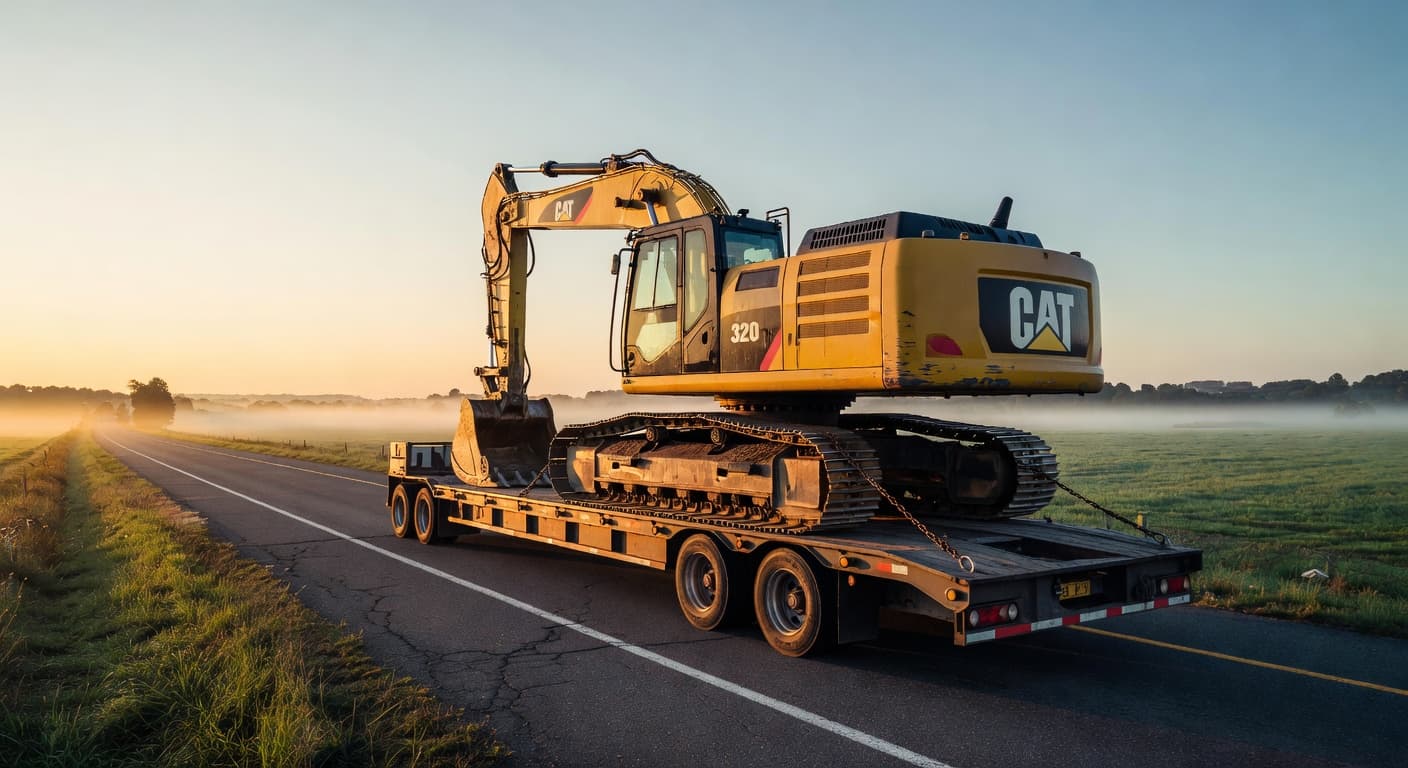
Typically covers heavy machinery like excavators, loaders, and generators against theft or damage at job sites and between them.
Installation Floater
Can help cover materials and fixtures from the moment you buy them until they are installed and accepted at a project.
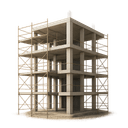
Builders Risk
May cover a structure under construction, along with materials on site, against damage from fire, wind, theft, and vandalism.
Inland Marine Insurance Cost in Jackson
Average Cost in Mississippi
$25 - $100
per month
Businesses in Mississippi typically see inland marine insurance premiums of $25 - $100 per month, which tends to run 4% above the national range of $20 - $100 per month.
- Total insured value of the scheduled property
- Type and age of the equipment
- Where it is stored and how far it travels
- Jobsite security and theft prevention
- Per-item limits and deductibles
- Prior theft and in-transit losses
Contact CPK Insurance for a personalized quote.
Prices shown are general estimates, not guaranteed rates or quotes. Your actual premium will depend on the insurer, coverage selected, business details, location, claims history, and other underwriting factors. Learn about our pricing methodology.
In Mississippi, the average cost of inland marine insurance is $25 to $100 per month. That puts Mississippi slightly below the product's broader range of $20 to $100 per month, but your actual premium still depends on the property you schedule, the route and frequency of movement, and the carrier's underwriting appetite. The state's premium index of 96 means you can expect average pricing to run about 4% below the national baseline, though local conditions can still push your specific rate up or down.
Several Mississippi factors can affect your cost. Hurricane risk is rated very high, tornado risk is very high, and flooding and severe storms are both high, so carriers may price for weather exposure when property is frequently moved or stored in vulnerable areas. Mississippi also logged 222 disaster declarations overall, with recent events including severe storms and tornadoes in 2024 and hurricane or tropical storm damage in 2023. That history can influence how insurers view temporary storage and transit exposure, often leading to stricter underwriting or higher deductibles for weather-related losses. Crime conditions matter too, because the state's property crime rate is 2,340, above the national average of 2,200. Burglary is one of the property crime types with an increasing trend, which can matter for tools and equipment left on job sites or in unsecured storage.
A contractor moving heavy equipment across multiple counties may see different pricing than a small firm moving boxed materials between a warehouse and a single site. Carrier competition can help create options, but it also means underwriting standards vary by insurer and by location.
Industries & Insurance Needs in Jackson
Hinds County business mix changes who most often needs this coverage and how the schedule should be built. The county has 4,915 business establishments, so proof of coverage often becomes part of ordinary vendor, landlord, and subcontractor paperwork rather than a rare request. The leading establishment sectors are retail trade at 15.3%, health care and social assistance at 14.1%, and other services, except public administration, at 11.3%, so many local buyers are not hauling heavy construction equipment every day. They are moving inventory, portable devices, service tools, or customer property between locations and temporary work areas. That matters because a quote should match the property class and transit pattern you actually have. If your operation touches more than one address in a normal week, list the items that leave the premises most often, identify any borrowed or customer-owned property, and ask whether installation, transit, and temporary storage need to be reviewed separately.
What Makes Jackson Different
Short-haul movement is the main thing that changes the buying calculus here. In many markets, inland marine decisions are driven by long-distance transit or large equipment fleets. Here, the more common issue is property leaving a fixed address repeatedly for nearby deliveries, service calls, pop-up work areas, or temporary staging. That creates small but frequent gaps if your insurance schedule is built like everything stays at one premises. The county containing Jackson has 4,915 business establishments, which means a lot of routine commercial activity, shared job sites, and third-party requests for evidence of coverage before work starts. The practical question is not whether your property travels across the state. It is whether it regularly sits in a vehicle, at a customer location, or in temporary storage between stops. If yes, review item valuation, unnamed versus scheduled equipment, and any customer property exposure before you rely on a certificate request to reveal the gap.
Our Recommendation for Jackson
Start with a property map, not a generic application. List what leaves your main address each week, who has custody of it, where it sits overnight, and whether it is owned equipment, installation material, or customer property in your care. That step usually matters more than chasing a broad form name. If your business serves households or small commercial clients, keep the local customer base in mind. Jackson median household income is $43,238, so replacing damaged tools or re-buying materials out of pocket can strain cash flow quickly if a loss interrupts work and payment is delayed. Ask to review deductibles against what your business can absorb without slowing payroll or the next purchase order. If you use subcontractors, borrowed equipment, or temporary storage, say so early. Those details often decide whether the quote fits your real movement pattern or only your mailing address.
Get Inland Marine Insurance in Jackson
Enter your ZIP code to compare inland marine insurance rates from carriers in Jackson, MS.
Business insurance starting at $25/mo
FAQ
Frequently Asked Questions
Jackson businesses should ask before tools, materials, or customer property start rotating between vehicles, temporary storage, and job sites. Waiting for a contract request can leave you rushing the schedule instead of checking how property is valued and where it is commonly kept.
Jackson retail and service companies often need the same review. In Hinds County, retail trade accounts for 15.3% of establishments and other services account for 11.3%, so portable inventory, service tools, and customer property can matter as much as contractor equipment.
Jackson area health care and social assistance businesses should review any portable devices or equipment that travel between locations. In Hinds County, that sector represents 14.1% of establishments, so mobile property exposure is not limited to construction or delivery operations.
Hinds County businesses near Jackson operate in a county with 4,915 establishments, so landlords, customers, and upstream contractors often standardize insurance requests. If your property leaves the premises regularly, review the schedule before a certificate is needed on short notice.
Jackson small businesses should choose a deductible your cash flow can absorb without delaying replacement of key tools or materials. With local median household income at $43,238, many owner-operated firms benefit from testing the deductible against a realistic out-of-pocket loss scenario.
It can cover tools, equipment, and materials that are in transit, at job sites, or in temporary storage, which is useful for Mississippi contractors working across places like Jackson, Gulfport, or Hattiesburg.
The policy is designed to follow covered property away from your fixed location, but the exact treatment of temporary storage depends on the carrier and the policy wording, which matters in Mississippi's high hurricane and tornado risk environment.
Contractors, electricians, plumbers, landscapers, and other businesses with portable gear should review it, especially if equipment is regularly moved across counties or left at active work sites.
Sources
- 1.U.S. Census Bureau, County Business Patterns, Hinds County(The county has 4,915 business establishments, so proof of coverage often becomes part of ordinary vendor, landlord, and subcontractor paperwork rather than a rare request.; The leading establishment sectors are retail trade at 15.3%, health care and social assistance at 14.1%, and other services, except public administration, at 11.3%, so many local buyers are moving inventory, portable devices, service tools, or customer property between locations and temporary work areas.)
- 2.U.S. Census Bureau, ACS 5-Year Estimates, table B19013(Jackson median household income is $43,238, so replacing damaged tools or re-buying materials out of pocket can strain cash flow quickly if a loss interrupts work and payment is delayed.)
Updated July 5, 2026





