








































Updated July 5, 2026

Commercial Truck Insurance in Southaven
Property managers, warehouse tenants, general contractors, and lenders around Southaven usually want current certificates of insurance before a truck starts regular site access, pulls into a loading area, or is financed. Satisfying them locally often means showing limits that match the contract, listing the right insured or loss payee, and making sure the vehicle schedule actually matches the units you run this week. If you are shopping for commercial truck insurance in Southaven, that paperwork discipline matters almost as much as the policy itself. A missed endorsement or an outdated VIN can slow down a delivery relationship or hold up a job start.
This city also sits inside a county with 3,251 business establishments, so trucks here often serve a dense mix of stores, restaurants, clinics, and service locations that expect dependable arrival windows and clean proof of coverage before work begins. That changes what you should review. Instead of buying on price alone, line up your liability limits, physical damage terms, hired and non-owned auto needs, and certificate turnaround with the kinds of accounts you are trying to keep or win. Before you request quotes, gather your driver list, garaging address, radius, cargo or equipment details, and any contract insurance requirements you already have in hand.
Commercial Truck Insurance Risk Factors in Southaven
Southaven's top risk factors include Flooding, Hurricane damage, Coastal storm surge, and Wind damage.
Mississippi has a very high climate risk rating. Top hazards: Hurricane (Very High), Tornado (Very High), Flooding (High), Severe Storm (High). The state's expected annual loss from natural hazards is $1.8B, which influences commercial truck insurance premiums and may affect coverage availability in high-risk areas.
What Commercial Truck Insurance Covers
In Mississippi, commercial truck insurance is usually built around the way your truck operates, not a one-size-fits-all package. Motor carrier liability is the core protection for freight-hauling operations. Physical damage may help cover your truck itself, while cargo coverage may apply to the goods you are transporting. Trailer interchange can matter if you use non-owned trailers under interchange agreements, and bobtail or non-trucking liability can be important for owner-operators who are off dispatch or driving without a trailer.
The state minimum commercial auto limits are the standard split limits, but trucking operations often need higher limits because federal freight requirements can be higher and shippers or brokers may ask for more. For general freight, a federal liability minimum applies, with higher limits possible for hazardous materials. Mississippi's elevated hurricane, tornado, flooding, and severe-storm risk can also affect how endorsements are attached and how physical damage deductibles are set. That means you may see separate wind or hail deductibles, especially for trucks parked along the Gulf Coast.
Coverage can vary by truck type too. Most common commercial vehicles are eligible, from semis and flatbeds to box trucks and tankers. What is excluded or limited depends on endorsements, deductibles, and the way the vehicle is used on Mississippi routes, especially if you regularly move through high-risk weather corridors or dense freight lanes near Jackson and other commercial centers.
Coverage Included

Motor Carrier Liability
Can help cover injuries and property damage your truck causes to others, a coverage federal regulators require most for-hire carriers to maintain.
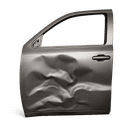
Physical Damage
Can help pay to repair or replace your own truck after an accident, fire, theft, or vandalism.
Cargo Coverage
May pay for damage to or theft of the freight you are hauling while it is in your care.
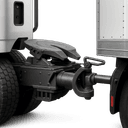
Trailer Interchange
Can help cover damage to trailers you haul under an interchange agreement but do not own.

Bobtail Coverage
May provide liability protection when you drive your tractor without a trailer attached, such as after dropping off a load.

Non-Trucking Liability
Can help cover accidents that happen when you use your truck for personal errands rather than dispatched work.
Commercial Truck Insurance Cost in Southaven
Average Cost in Mississippi
$400 - $1,100
per month
Businesses in Mississippi typically see commercial truck insurance premiums of $400 - $1,100 per month, which tends to run 2% below the national range of $400 - $1,125 per month.
- Radius of operation
- Commodities hauled and cargo value
- Number and value of power units
- Driver motor vehicle records and CDL experience
- DOT safety record, inspections, and FMCSA scores
- Liability limits and physical damage deductibles
Contact CPK Insurance for a personalized quote.
Prices shown are general estimates, not guaranteed rates or quotes. Your actual premium will depend on the insurer, coverage selected, business details, location, claims history, and other underwriting factors. Learn about our pricing methodology.
Pricing for Mississippi trucking coverage varies based on several factors. Your actual cost can move based on limits, deductibles, claims history, and location. Higher limits or a spotty claims history push the price up. A clean record and conservative deductibles can pull it down.
Mississippi's weather profile is one of the biggest pricing influences for trucking risk. The state faces significant hurricane and tornado exposure, plus high flooding and severe-storm risk, and those hazards can push up the cost of physical damage coverage or affect how carriers price comprehensive-style exposure. Recent severe storms and tornadoes have caused substantial damage, which makes underwriting more cautious in exposed areas. Past hurricane and tropical storm events have reinforced that pattern. In plain terms, carriers have paid out heavily for weather losses recently, so they price that risk into physical damage coverage.
Claims history and location also matter. High auto claim costs in the state can influence truck liability pricing. If your operation runs near higher-traffic freight corridors, through storm-prone counties, or into areas with frequent theft or collision exposure, carriers may quote differently. With many insurers active in the state, comparing quotes from multiple carriers is especially important because pricing and appetite can vary by truck class, route, and endorsement needs.
Industries & Insurance Needs in Southaven
DeSoto County's business mix is the part that changes demand around Southaven. Retail trade accounts for 20.3% of county establishments, accommodation and food services 12.8%, and health care and social assistance 9.9%, so many local truck accounts are not long-haul specialists. They are delivery, service, supply, and route-based operations serving stores, restaurants, and care settings on repeat schedules. That affects what you should ask an agent to review.
If your trucks make frequent stops, back into tight service areas, or move between customer locations all day, describe that operating pattern clearly instead of calling the work "local delivery" and leaving it there. Stop frequency, parking conditions, driver mix, and whether employees load or unload can all matter to how an underwriter reads the account. It also helps to separate vehicles by use. A box truck serving retail accounts may need a different discussion than a pickup towing equipment to job sites. Bring sample contracts and a recent route list so the quote reflects how the fleet actually works.
What Makes Southaven Different
Certificate pressure is what changes the calculus here. In a market tied to property access, tenant rules, vendor onboarding, and financed equipment, the practical problem is often not whether you carry coverage, but whether your documents match the job fast enough to keep trucks moving. Southaven households also show a median income of $76,159, which usually supports a customer base that expects reliable scheduled service, professional vendors, and fewer administrative mistakes. That raises the cost of delays caused by bad paperwork, even when the loss itself is small.
For a truck owner, that means the buying decision should focus on operational fit. Ask how quickly certificates can be issued, how additional insured and loss payee requests are handled, and what happens when you add or replace a vehicle midterm. Review whether your policy setup supports the contracts you already sign, not just the minimum you can purchase. If your work depends on recurring commercial accounts, clean documentation and accurate scheduling can be as important as the premium.
Our Recommendation for Southaven
Start with the accounts you serve most often. If you mainly deliver to retail, restaurant, or care-related locations, ask for a quote review built around stop frequency, loading practices, after-hours parking, and who is allowed to drive each unit. That gives the underwriter a truer picture than a broad description of "delivery" or "contract work."
Next, audit your paperwork flow before renewal. Check that every VIN, lienholder, garaging address, and driver is current, and keep a sample certificate request from a real customer nearby when you compare options. If a lender or property manager regularly asks for specific wording, raise that before binding, not after a truck is already scheduled to arrive.
Finally, separate what is essential from what is optional. Physical damage, towing, rental reimbursement, and any endorsements tied to your contracts should be reviewed against the age and use of each vehicle. If your operation has changed over the last year, request fresh quotes with updated routes, vehicle use, and customer types rather than rolling over last year's assumptions.
Get Commercial Truck Insurance in Southaven
Enter your ZIP code to compare commercial truck insurance rates from carriers in Southaven, MS.
Business insurance starting at $25/mo
FAQ
Frequently Asked Questions
Southaven accounts usually want a certificate that matches the contract, including the correct named insured, vehicle details when required, and any loss payee or additional insured wording. Bring the actual contract request to your quote review so the policy setup supports the paperwork.
DeSoto County has 3,251 business establishments, so many truck operators here work in a relationship-driven commercial market. That makes certificate speed, accurate vehicle schedules, and contract-ready endorsements worth reviewing alongside premium.
Southaven delivery risks are usually priced and reviewed based on how the trucks actually run: stop frequency, garaging, driver list, radius, loading activity, and whether units serve stores, restaurants, clinics, or job sites. Give specific route and use details, not broad labels.
DeSoto County is led by retail trade at 20.3%, accommodation and food services at 12.8%, and health care and social assistance at 9.9%, so many truck accounts involve repeat deliveries and service calls. Ask for coverage terms that fit frequent-stop operations.
Southaven truck owners should update the policy as soon as a vehicle, lender, route pattern, or customer contract changes. A new VIN, loss payee, or operating use can affect whether your certificate and policy details still match what the account requires.
In Mississippi, the policy can be built around motor carrier liability, physical damage, cargo coverage, trailer interchange, bobtail coverage, and non-trucking liability, depending on whether you run long haul, regional, or local freight.
Mississippi requires commercial auto minimums of $25,000/$50,000/$25,000, while freight carriers may also need to meet federal liability expectations such as $750,000 for general freight and more for hazardous materials.
Pricing varies based on limits, deductibles, claims history, location, risk profile, and endorsements.
Sources
- 1.U.S. Census Bureau, County Business Patterns, DeSoto County(This city also sits inside a county with 3,251 business establishments, so trucks here often serve a dense mix of stores, restaurants, clinics, and service locations that expect dependable arrival windows and clean proof of coverage before work begins.; DeSoto County's business mix is the part that changes demand around Southaven. Retail trade accounts for 20.3% of county establishments, accommodation and food services 12.8%, and health care and social assistance 9.9%, so many local truck accounts are not long-haul specialists.)
- 2.U.S. Census Bureau, ACS 5-Year Estimates, table B19013(Southaven households also show a median income of $76,159, which usually supports a customer base that expects reliable scheduled service, professional vendors, and fewer administrative mistakes.)
Updated July 5, 2026





