Updated July 16, 2026

Homeowners Insurance in Southaven
A spring storm tears shingles from a roof near Goodman Road. Before a tarp goes on, rain reaches the attic, and you are suddenly sorting out dwelling damage, soaked contents, and where to stay if repairs stretch on. That is the practical reason to review your policy before the next weather event, not after it. With a median home value of $214,800, many owners need to check whether Coverage A, other structures, and ordinance or law options still line up with current replacement expectations, rather than assuming an older limit is close enough. Southaven households also need to look hard at deductible choices. A higher deductible can lower premium, but it needs to be an amount you could actually fund while paying for temporary repairs and daily disruption. Pull your current declarations page and compare limits, deductible, and endorsements before you renew.
Mississippi has a very high climate risk rating. Top hazards: Hurricane (Very High), Tornado (Very High), Flooding (High), Severe Storm (High). The state's expected annual loss from natural hazards is $1.8B, which influences homeowners insurance premiums and may affect coverage availability in high-risk areas.
What Homeowners Insurance Covers
The useful part of a homeowners quote is not the generic list of policy sections. It is how the policy language responds to the loss scenarios your property is more likely to face. That means you should read the deductible structure, roof settlement terms, water damage wording, and any separate wind or named-storm conditions before you decide that two quotes are equivalent.
For many households here, storm-related damage is where the details matter most. If wind, hail, or falling tree limbs are part of your concern, ask whether the quote uses a standard deductible or a separate percentage-based deductible for certain storm losses. That one line item can change what you pay out of pocket after a claim. If your roof is older, also check whether the carrier settles roof damage on a replacement cost basis or applies actual cash value terms. Depreciation can materially reduce a payout.
Water is another area where buyers need precision. A standard homeowners policy may handle some sudden and accidental interior water losses, but that does not mean every water event is treated the same way. You should ask how the policy treats sewer backup, hidden leaks, mold limitations, and damage that begins outside the home. If you have detached structures, screened porches, sheds, or fencing, confirm they are included in the quote rather than assumed.
If you host guests often, have a pool, trampoline, dog, or short-term visitors, ask how the carrier underwrites those exposures and whether any restrictions apply. Before you buy, request a specimen declarations page or coverage summary. Compare the same deductibles, endorsements, and settlement terms side by side.
Coverage Included

Dwelling
Repairs or rebuilds your home itself, the walls, roof, floors, built-in appliances, and attached structures like a garage, after a covered loss. Set this limit to the full cost of rebuilding, not market value.
Other Structures
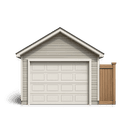
Detached structures on your property, such as a fence, shed, detached garage, or gazebo. Usually set at about 10 percent of your dwelling limit [2].

Personal Property
Your belongings, furniture, clothing, electronics, and appliances, generally written at 50 to 70 percent of your dwelling limit [2]. High-value items like jewelry and art carry special limits.

Additional Living Expenses
Also called loss of use. Pays your added living costs, hotel stays, meals, and a temporary rental, while a covered loss makes your home uninhabitable. Usually set at about 20 percent of your dwelling limit.

Liability
Covers you if someone is injured on your property, or you damage someone else's property, and you are found responsible. The standard $100,000 limit [2] is often raised to $300,000 or $500,000.

Medical Payments
Pays small medical bills, commonly $1,000 to $5,000, if a guest is hurt at your home regardless of fault, without a formal liability claim.
Homeowners Insurance Cost in Southaven
Average Cost in Mississippi
$140 - $340
per month
In Mississippi, homeowners insurance premiums typically run $140 - $340 per month, which tends to run 33% above the national range of $110 - $250 per month.
- Home replacement cost, age, and construction type
- Roof age, material, and condition
- ZIP code and local weather risk (wind, hail, wildfire, hurricane)
- Coverage limits and endorsements
- All-peril and percentage wind/hail deductibles
- Claims history and insurance score where allowed
Typical range for many standard homeowners profiles; lower-risk homes fall below it and coastal, wildfire, or older-roof homes can run well above. Final pricing depends on property details, location, underwriting, and selected coverage.
Prices shown are general estimates, not guaranteed rates or quotes. Your actual premium will depend on the insurer, coverage selected, personal details, location, claims history, and other underwriting factors. Learn about our pricing methodology.
Homeowners pricing moves with the property more than with any statewide average. The better question is what features of your home are pushing the quote up or down. Many households see premiums from $140 to $340 per month, depending on location, roof age, construction type, claims history, deductible choice, and whether the carrier is comfortable with the home's storm profile. That range is fairly typical for the region, though coastal properties and older homes often sit at the top end or above it. A newer roof, higher deductible, and inland location tend to push the quote toward the lower end. Coastal exposure, an older roof, or prior water claims can move it toward the higher end.
A coastal location can change the quote materially, especially if the carrier applies tighter wind underwriting or requires different deductibles. Roof condition is another major driver. A newer roof with documented updates may open more options, while an aging roof can narrow carrier appetite or change settlement terms. The home's age, wiring, plumbing, and prior water losses also matter because they affect expected claim severity.
Your coverage choices shape the premium too. Higher dwelling limits, lower deductibles, added endorsements, and broader settlement terms usually cost more. If you schedule jewelry, add water backup protection, or increase liability limits, expect the premium to move. A higher deductible can lower the monthly cost, but only if the out-of-pocket amount still fits your emergency budget after a storm loss.
The cleanest way to compare price is to keep the quote structure consistent. Use the same dwelling limit, deductible, liability limit, and endorsements across each quote request. Then ask why one quote is lower. It may be a better value, or it may be using narrower roof terms, a different wind deductible, or tighter water damage language. Review those differences before you choose on price alone.
What Makes Southaven Different
Buyers sometimes focus on premium first, but the more useful review is whether the dwelling limit, deductible, and endorsements fit the house you own now, including any updates made after purchase. The local income picture matters too. With median household income at $76,159, many households can absorb some deductible, but not every deductible level makes sense once you add emergency lodging, debris cleanup, and out-of-pocket repair decisions while a claim is being adjusted. Ask for a quote that tests more than one deductible and shows how replacement-focused options change the protection.
Our Recommendation for Southaven
Start with the declarations page, not the invoice. Look at whether your dwelling limit still matches what it would cost to rebuild the house as it stands today, and make sure the other coverage areas reflect how you actually live there. If you have made improvements, ask whether your present limits still reflect those upgrades. Next, stress-test the deductible. Pick a figure your savings could absorb without forcing you to carry a credit card balance through the repair period. It is also worth asking how roof settlement, water-related exclusions, and ordinance or law coverage apply to an older versus updated home, because those details often matter more than a small premium difference after a storm claim. If you are comparing quotes, keep the limits and deductible consistent so you are evaluating policy terms, not just price. Spending twenty minutes on this now can flag a gap before it becomes a problem at claim time.
Get Homeowners Insurance in Southaven
Enter your ZIP code to compare homeowners insurance rates from carriers in Southaven, MS.
Home insurance starting at $50/mo
FAQ
Frequently Asked Questions
Start with the house itself, not last year's premium. If your policy has not been revisited in a while, compare your current dwelling limit against what it would cost to rebuild today, factoring in any recent upgrades.
Weigh deductible savings against cash flow after a claim. The city's median household income is $76,159, so a typical family has enough income to handle a moderate out-of-pocket cost but could still struggle if the deductible is too high while also paying for temporary housing. The better choice is usually a figure your emergency fund could cover without forcing you into debt.
Homes with renovated roofs, kitchens, flooring, or systems deserve a fresh quote review. If you have put money into the house, your coverage should reflect that investment rather than the property's original condition.
Compare the same deductible and core limits across each quote first. Then review roof settlement terms, loss of use, water-related restrictions, and ordinance or law options, because those claim-handling details often matter more than a small premium difference after a storm.
Insurers often use roof age, condition, and material to evaluate storm exposure and claim severity. A newer or well-documented roof can improve your options, while older roofs may change pricing, eligibility, or whether losses are settled on replacement cost terms.
Homes near the coast can be underwritten differently because storm exposure may affect deductibles, carrier appetite, and policy terms. If you are comparing quotes, ask specifically how wind losses are handled and whether any separate deductible applies.
Homeowners should revisit coverage after renovations because added square footage, upgraded finishes, and rebuilt systems can change the home's rebuild profile. Update the quote with current property details so the policy matches the house you now own.
Buyers should compare deductible structure, roof settlement terms, water damage wording, liability limits, and endorsements, not just price. A lower premium can come from narrower terms, so review the declarations and policy conditions line by line.
Sources
- 1.U.S. Census Bureau, ACS 5-Year Estimates, table B25077(Southaven's median home value is $214,800, so many owners need to check whether Coverage A, other structures, and ordinance or law options still line up with current replacement expectations.)
- 2.U.S. Census Bureau, ACS 5-Year Estimates, table B19013(Southaven's median household income is $76,159, so deductible choices deserve a hard look because the amount needs to be fundable during a claim.)
Updated July 16, 2026