Updated July 16, 2026

Commercial Auto Insurance in Missouri
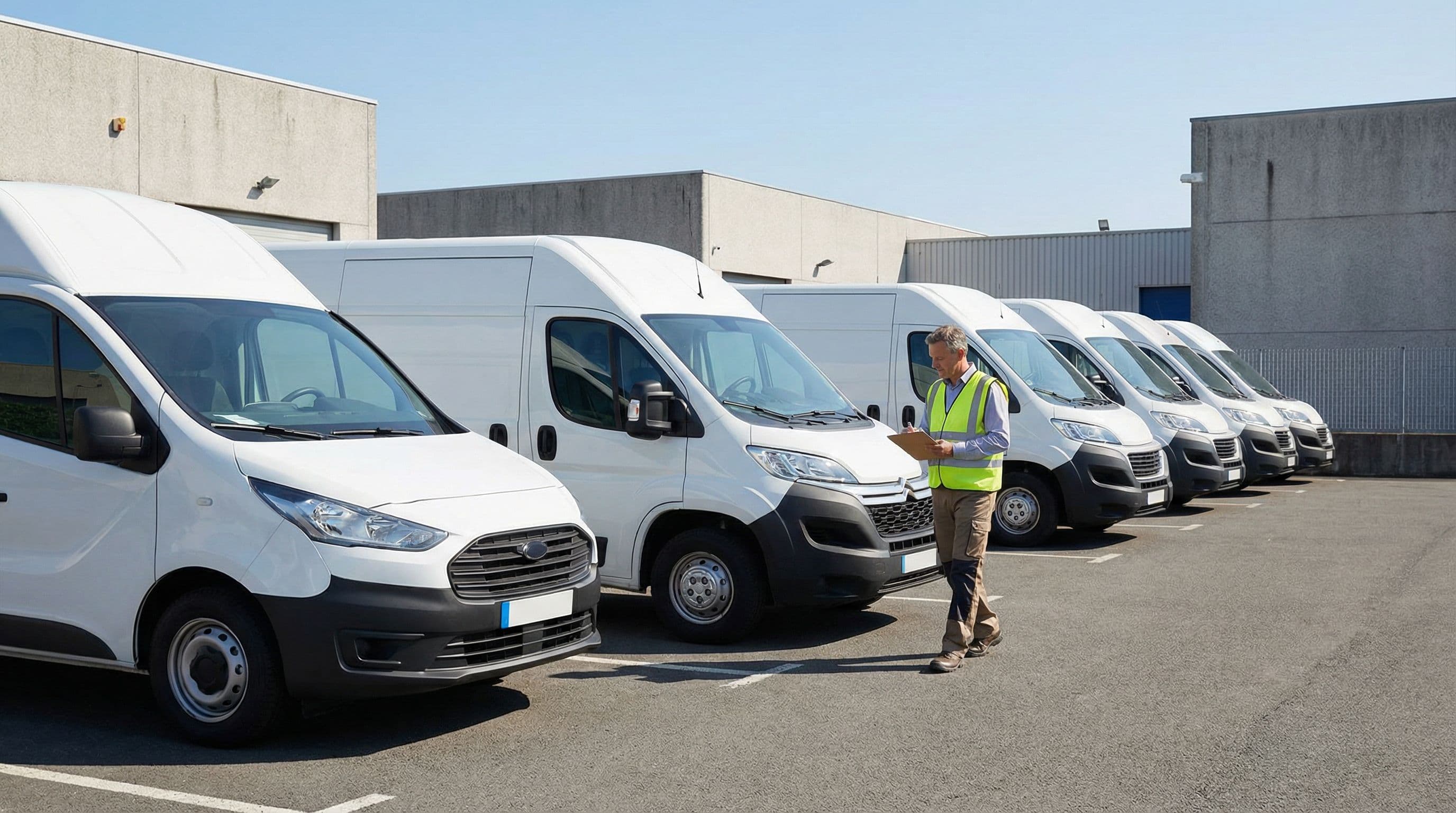
Missouri's mix of highway traffic, severe weather, and uninsured drivers creates real risk for business vehicles from Jefferson City to Kansas City. For a business car, van, box truck, or mixed fleet, your policy has to fit the way your vehicles are actually used. Short local trips, regional deliveries, client visits, and longer operating radii can all raise pricing. Missouri's market is active, which gives buyers options. The state also faces significant tornado and severe storm risk, plus elevated vehicle theft and a 14% uninsured-driver rate. That combination makes coverage choices more important than a simple price check. This page focuses on the Missouri-specific rules, cost drivers, and buying steps that matter before you request a quote.
What Commercial Auto Insurance Covers
Commercial auto insurance in Missouri generally starts with liability, collision, comprehensive, medical payments, and uninsured motorist protection. That minimum is only the floor, not a fit for every business vehicle exposure. If your company runs through busy urban areas, interstate routes, or storm-prone counties, the state minimum may fall short of what you actually need. Missouri also requires all commercial vehicles to be registered with the Missouri DMV, so policy details should line up with vehicle ownership, garaging, and use.
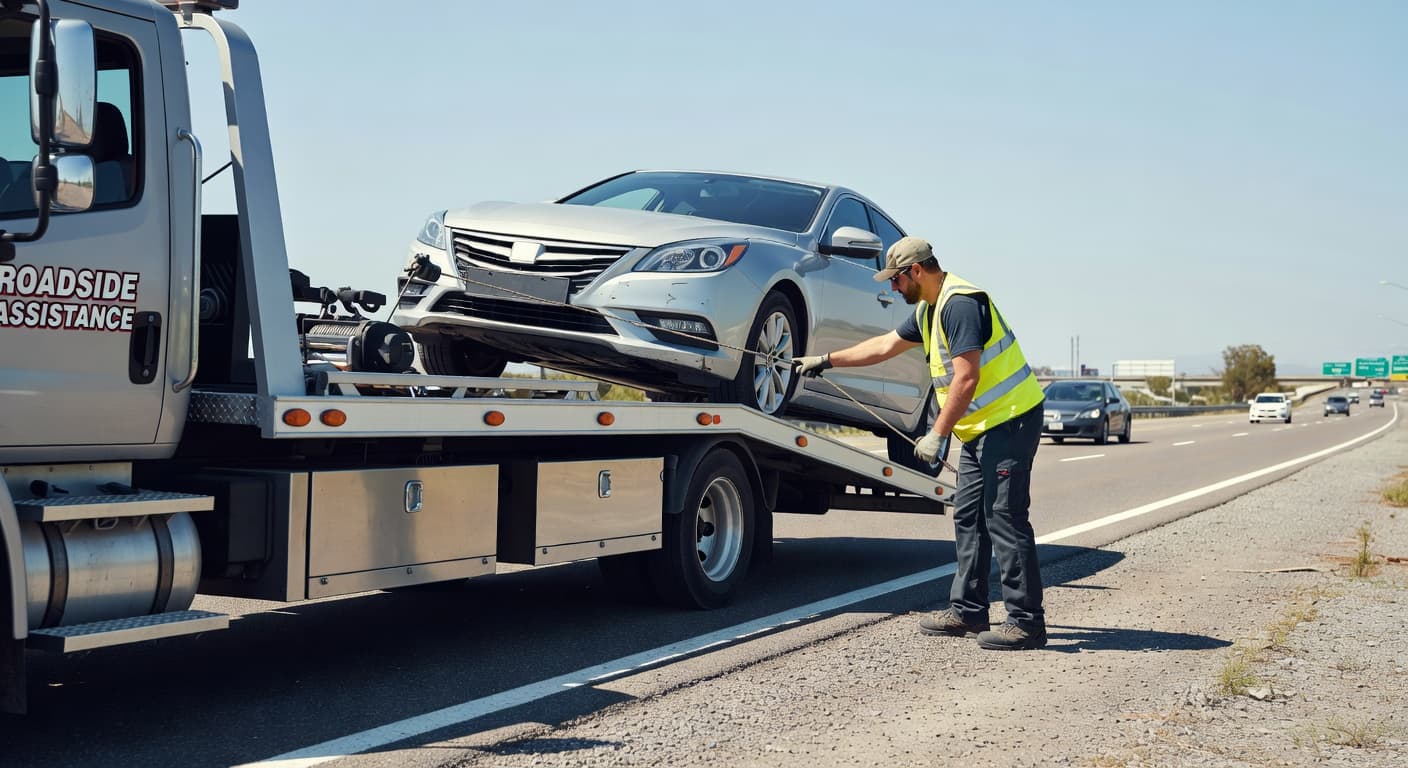
Liability responds when your covered vehicle is involved in an accident and your business is responsible for bodily injury or property damage. Collision can help cover damage to your own vehicle after a crash. Comprehensive addresses theft and weather-related losses, which is especially relevant in a state with significant tornado and storm exposure and recent disaster declarations tied to tornadoes, derecho events, flooding, and winter storms. Missouri's uninsured-driver rate also makes uninsured and underinsured motorist protection an important coverage discussion, even though state-specific requirements may vary by situation. Hired auto and non-owned auto coverage can be added when employees rent vehicles or use personal vehicles for work errands, client meetings, or deliveries. Those endorsements are often central for businesses that do not own every vehicle they rely on.

Bodily Injury Liability
Covers injuries you cause to others in an accident

Property Damage Liability
Covers damage you cause to others' property
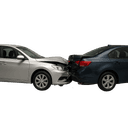
Collision Coverage
Pays for damage to your vehicle in an accident

Comprehensive Coverage
Covers theft, vandalism, weather, and animal damage

Medical Payments
Covers medical costs for your drivers and passengers
Uninsured Motorist
Protection when the other driver lacks insurance
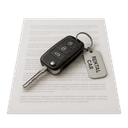
Hired & Non-Owned Auto
Covers rented or employee-owned vehicles used for work
Commercial Auto Insurance Requirements in Missouri
- Missouri requires minimum liability of $25,000/$50,000/$25,000 for commercial vehicles, and all commercial vehicles must be registered with the Missouri DMV before they are properly set up for business use.
- Uninsured and underinsured motorist coverage may be required, so confirm how your policy handles that exposure.
- Hired auto and non-owned auto endorsements are important if your business rents vehicles or uses employee-owned cars for work.
How Much Does Commercial Auto Insurance Cost in Missouri?
Average Cost in Missouri
$120 - $370
per month
Businesses in Missouri typically see commercial auto insurance premiums of $120 - $370 per month, which tends to run 11% below the national range of $140 - $410 per month.
- Fleet size and vehicle types
- Driver records and experience
- Coverage limits and deductibles
- Business industry and use
- Annual mileage and operating radius
- Claims history
Rates based on small business averages. Your actual premium may vary.
Commercial auto insurance cost in Missouri is shaped by both the vehicle and the state's risk profile. Your premium depends on how many vehicles you run, what type they are, where they are garaged, how far they travel, who drives them, and what your claims history looks like. Missouri's loss drivers include severe weather, theft, and accident frequency, which means premiums here reflect real exposure to those risks rather than sitting at a simple national average.
Fleet size and vehicle types matter, so a single company car will not price the same as coverage for multiple vans or heavier-duty trucks. Driver records and experience are major variables, and Missouri's crash data shows common causes such as drowsy driving, reckless driving, following too closely, impaired driving, and failure to yield. Those behaviors tend to produce multi-vehicle accidents with higher property damage and injury payouts, which carriers price into your premium. Annual mileage and operating radius also matter, especially for businesses running outside Jefferson City or across long regional routes. Claims history is another key factor, and carriers pay close attention to prior losses because a history of claims signals higher future risk.
Missouri's competitive market gives buyers options, but it does not guarantee the same quote from each company. A business based in a lower-mileage area may see different pricing than a delivery operation in a higher-traffic corridor. Because storm exposure is high, comprehensive coverage can be a more meaningful purchase decision than in a milder state.
| Coverage Type | What It Covers | Typical Limits |
|---|---|---|
| Bodily Injury Liability | Injuries to others in accidents you cause | $500K to $2M |
| Property Damage Liability | Damage to others' property | $100K to $1M |
| Collision | Damage to your vehicle in an accident | Actual cash value |
| Comprehensive | Theft, vandalism, weather, animal damage | Actual cash value |
| Medical Payments | Medical costs for your drivers/passengers | $5K to $25K |
| Uninsured Motorist | Protection when other driver lacks insurance | $500K to $1M |
| Hired & Non-Owned | Rented or employee personal vehicles | Same as liability limits |
Bodily Injury Liability
- What It Covers
- Injuries to others in accidents you cause
- Typical Limits
- $500K to $2M
Property Damage Liability
- What It Covers
- Damage to others' property
- Typical Limits
- $100K to $1M
Collision
- What It Covers
- Damage to your vehicle in an accident
- Typical Limits
- Actual cash value
Comprehensive
- What It Covers
- Theft, vandalism, weather, animal damage
- Typical Limits
- Actual cash value
Medical Payments
- What It Covers
- Medical costs for your drivers/passengers
- Typical Limits
- $5K to $25K
Uninsured Motorist
- What It Covers
- Protection when other driver lacks insurance
- Typical Limits
- $500K to $1M
Hired & Non-Owned
- What It Covers
- Rented or employee personal vehicles
- Typical Limits
- Same as liability limits
How Missouri compares with the national baseline
Uninsured drivers
14% vs 11.6% baseline
About 14% of Missouri drivers are estimated to be uninsured, above the 11.6% average across states.
Fatal crashes per 100 million miles
1.61 vs 1.33 baseline
Missouri sees about 1.61 fatal crashes per 100 million miles driven, above the national average of 1.33.
Blue bar: Missouri. Gray line: national baseline.
Prices shown are general estimates, not guaranteed rates or quotes. Your actual premium will depend on the insurer, coverage selected, business details, location, claims history, and other underwriting factors. Learn about our pricing methodology.
Request a Quote Comparison
Enter your ZIP code to compare commercial auto insurance rates from top carriers.
Business insurance starting at $25/mo
Who Needs Commercial Auto Insurance?
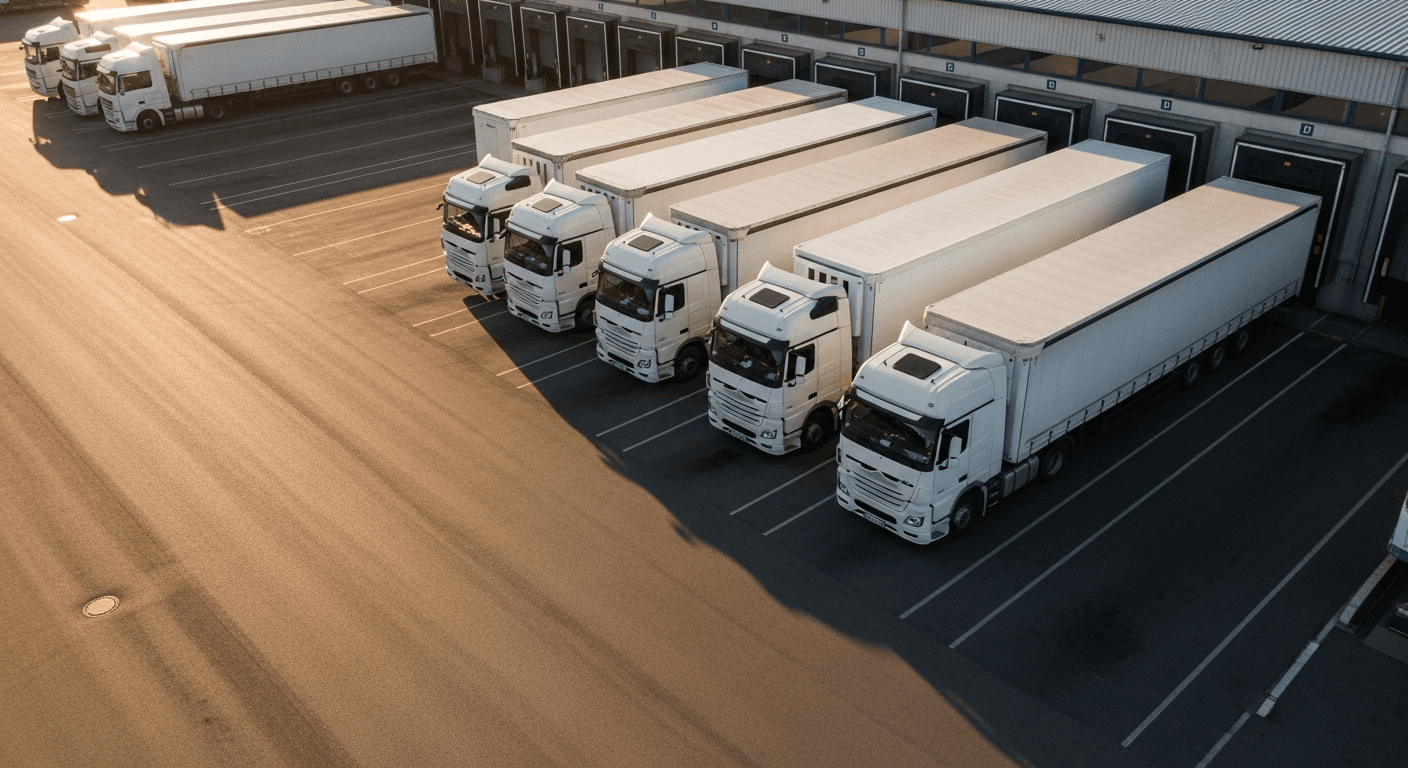
Commercial auto insurance is relevant for any Missouri business that uses vehicles for work, but some operations have especially clear reasons to buy. A healthcare or social services provider with staff driving between offices, patient locations, or care sites may need coverage to protect scheduled vehicles and employee-driven trips. Retail businesses with local delivery routes, store transfers, or pickup service often need it because personal policies usually do not fit business use. Manufacturers and wholesalers that move goods between plants, warehouses, and customers may need commercial truck insurance or fleet coverage if they operate multiple units.
Missouri's economy makes this coverage especially practical because many owners are managing one van, one pickup, or a small fleet rather than a large corporate motor pool. For those businesses, a quote should account for who drives the vehicle, where it is garaged, how far it travels, and whether employees use personal cars for company errands. If employees rent vehicles for business travel, hired auto coverage becomes relevant. If staff members use their own cars for deliveries, client visits, or off-site work, non-owned auto coverage can help close the gap.
Businesses in urban areas like Kansas City or St. Louis may focus more on theft and traffic exposure. Companies operating near tornado-prone or flood-prone regions may place more weight on comprehensive coverage. In either case, commercial auto liability is often a baseline consideration, not the full answer. The real need depends on the vehicles, the routes, and the way the business uses them.
| Requirement | What Missouri law says |
|---|---|
| Auto liability minimums | $25,000/$50,000/$25,000 (bodily injury per person / per accident / property damage). These floors apply to personal and business vehicles alike; lenders and contracts often require more. |
| Where to verify | Missouri Department of Commerce and Insurance publishes current requirements, consumer guides, and license lookups. |
Commercial Auto Insurance by City in Missouri
Commercial Auto Insurance rates and coverage options can vary across Missouri. Select your city below for localized information:
How to Buy Commercial Auto Insurance
To buy commercial auto insurance in Missouri, start by matching your vehicle list to your actual business use. Carriers will usually want the year, make, model, VIN, garaging location, annual mileage, driver list, and whether each vehicle is a company car, a rental, or a personal vehicle used for work. They may also ask about deliveries, client visits, operating radius, and prior claims because those details affect your requirements and the premium quote.
Next, confirm that your policy structure matches Missouri's minimum liability requirement for commercial vehicles and that all commercial vehicles are registered with the Missouri DMV. If your business uses rented vehicles or employees' personal cars, ask for hired auto and non-owned auto endorsements rather than assuming the base policy handles those exposures. If your business operates a fleet, compare quotes across multiple carriers so you can see how limits, deductibles, and endorsements change the total cost.
Missouri has a competitive insurance market. That makes shopping worthwhile, but the quote should be judged on coverage details, not just monthly price. Ask for a quote that shows liability, collision, comprehensive, medical payments, and uninsured motorist options side by side. If your vehicles carry tools, equipment, or cargo, clarify whether the policy addresses those exposures or whether you need a separate endorsement for onboard equipment. Request a quote through CPK Insurance to compare pricing from participating licensed providers.
How to Save on Commercial Auto Insurance
The most practical way to reduce commercial auto insurance cost in Missouri is to lower the carrier's perception of risk without stripping away needed protection. Start with driver controls. Clean motor vehicle records, documented training, and clear rules against drowsy driving, following too closely, and reckless driving can help because those are major Missouri crash causes. A fleet safety program is especially helpful for businesses with multiple vehicles or routes through busy corridors.
Choose deductibles carefully. Higher deductibles can reduce premium, but only if the business can absorb the out-of-pocket cost after a collision or comprehensive claim. That tradeoff matters in Missouri because severe storms, tornadoes, and theft are real loss drivers, and comprehensive coverage may be more valuable here than in a lower-risk state. If your vehicles are parked overnight in higher-theft areas, ask how security measures, GPS tracking, and dash cameras affect pricing. Missouri's motor vehicle theft rate is elevated, so anti-theft steps can be relevant to both pricing and claims prevention.
Bundling can also help. Combining commercial auto with other business policies may create multi-policy discounts, though exact savings vary by carrier. Compare several quotes rather than assuming one carrier will price your coverage the same way as another. Ask each carrier how annual mileage, operating radius, and vehicle type affect the quote, because those details can change rates more than many owners expect. If you use personal vehicles for work, adding non-owned auto coverage may be more efficient than trying to stretch a personal policy beyond its intended use. Finally, shop coverage annually so your limits, deductibles, and endorsements still fit your routes, drivers, and vehicle count.
Our Recommendation for Missouri
For Missouri buyers, the strongest approach is to treat commercial auto insurance as a risk-fit decision, not a commodity purchase. Start with the state minimum liability requirement for commercial vehicles, then decide whether your routes, vehicle values, and driver exposure justify higher limits. In a state with significant tornado and storm risk, comprehensive coverage deserves serious attention, especially for vehicles that stay outside or travel long distances.
If employees rent vehicles or use personal cars for work, ask for hired auto and non-owned auto coverage before you bind a policy. That is often where Missouri businesses discover the biggest coverage gap. Also, compare at least a few carriers in Missouri's competitive market, because pricing and underwriting can differ materially. Keep your quote request specific. Include your vehicle list, garaging locations, mileage, driver records, and whether you need fleet coverage or a company car policy. The more precise the submission, the easier it is to compare quotes on equal terms.
FAQ
Frequently Asked Questions
In Missouri, it may help cover liability, collision, comprehensive, medical payments, and uninsured motorist protection, with hired auto and non-owned auto coverage available when your business uses rented or employee-owned vehicles.
Your premium depends on drivers, vehicles, mileage, and coverage choices.
Any Missouri business that uses vehicles for work can need it, including companies with one car, delivery vans, service trucks, or a multi-vehicle fleet, especially when vehicles are used for client visits, errands, or transportation of goods.
Missouri requires commercial vehicles to carry at least $25,000/$50,000/$25,000 in liability coverage and to be registered with the Missouri DMV, while uninsured and underinsured motorist coverage may also be required depending on the policy and situation.
Collision can help cover damage to your covered vehicle after a crash, while comprehensive can help with theft and weather-related losses, which is especially relevant in Missouri because tornadoes, severe storms, flooding, and vehicle theft are meaningful risks.
Provide the insurer with each vehicle's VIN, garaging location, mileage, driver list, business use, and claims history so the quote reflects Missouri requirements, your operating radius, and your fleet needs.
Commercial auto insurance can help cover liability for bodily injury and property damage, collision damage to your vehicles, comprehensive coverage for theft and weather damage, medical payments, and uninsured/underinsured motorist protection. It also can help cover hired and non-owned vehicles with the right endorsements.
Costs vary based on fleet size, vehicle types, driver records, coverage limits, industry, and location. Delivery and construction fleets pay more than office-based businesses.
Updated July 16, 2026