







































Updated July 16, 2026

Builders Risk Insurance in Kansas City
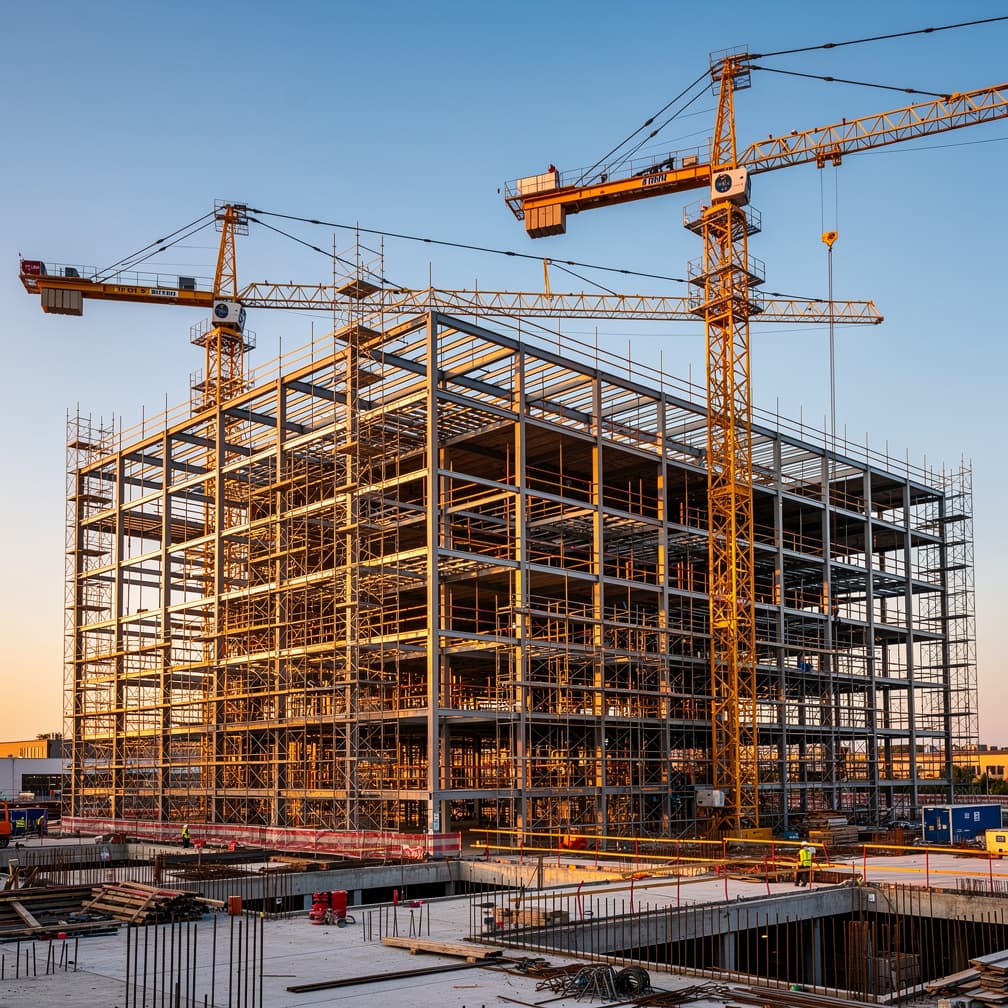
Kansas City projects often move through tight urban infill lots, older housing stock, and tenant build-outs that have to stay on schedule for an opening date or refinance. That changes how you review builders risk insurance in Kansas City. A Brookside ground-up build, a Waldo renovation, and a Downtown commercial interior each leave different materials exposed for different lengths of time. They also do not create the same vulnerabilities around temporary fencing, stored fixtures, or partial occupancy.
Local buyers usually need the quote to match the actual phase of work, who holds title to materials before installation, and whether high-value items arrive early or just in time. Kansas City's median home value is $227,000, so even a midrange kitchen renovation can represent a large share of what it would cost to rebuild the entire property. If your project budget is being shaped around neighborhood resale expectations or lender scrutiny, start by lining up the construction contract, project timeline, and material delivery plan before you request terms.
Builders Risk Insurance Risk Factors in Kansas City
Kansas City construction buyers should pay close attention to how long a site stays open to weather and theft between delivery and installation. Missouri's broader hazard profile matters as background, but the practical local issue is operational: older neighborhoods and phased remodels often leave roofs, windows, mechanicals, or finish materials in transition while other trades cycle through. That is where a builders risk review gets more useful when it follows the sequence of work instead of just the total budget. Ask whether the policy terms being quoted are built around **renovation, new construction, or an occupied structure under improvement**, because those distinctions can change how a loss is handled. It is also worth confirming how the form treats materials in temporary storage, items already delivered to the site, and any delay created by replacing specialty components. If your schedule includes staggered deliveries or partial turnover, put those facts in writing before binding.
Missouri has a high climate risk rating. Top hazards: Tornado (Very High), Severe Storm (Very High), Flooding (High), Earthquake (Moderate). The state's expected annual loss from natural hazards is $2.2B, which influences builders risk insurance premiums and may affect coverage availability in high-risk areas.
What Builders Risk Insurance Covers
The useful review is not the basic insuring idea. It is how the policy matches the way your job is staged. A ground-up build outside a dense urban core may need closer attention to fencing, locked storage, and the distance between the site and where materials are kept before installation. A renovation in an occupied building raises different questions about existing structure, phased turnover, and whether materials are covered once they are delivered to upper floors, interior rooms, or temporary laydown areas.
You should ask the quote to spell out how it treats materials in transit, materials stored off site, temporary works, and property that is intended to become part of the finished project. Weather patterns here also make it worth reviewing water-related exclusions, wind-driven rain scenarios, and the point at which a partially dried-in structure becomes less vulnerable.
For lender-backed projects, review whether the form and limit satisfy the financing agreement. For owner-contractor disputes, clarity matters even more. The policy should align with the contract on who buys coverage, whose interest is recognized, and whether change orders, delay-related expenses, or testing exposures need separate attention before work starts.
Coverage Included

Structure Coverage
Covers the building or structure under construction.

Materials on Site
Covers building materials stored at the construction site.

Materials in Transit
Covers materials being transported to the job site.
Temporary Structures
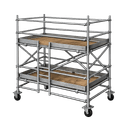
Covers scaffolding, fencing, and temporary buildings.

Soft Costs
Covers additional expenses from construction delays due to covered losses.

Equipment Coverage
Covers permanently installed fixtures and equipment.
Industries & Insurance Needs in Kansas City
Tenant improvement and professional-use build-outs matter here because the county economy supports a large base of service businesses that often lease and rework existing space rather than build from scratch. Jackson County has 18,251 business establishments, and its leading sectors by establishment share are health care and social assistance at 15.4%, professional, scientific, and technical services at 12.4%, and retail trade at 11.9%, so many projects involve clinics, offices, and storefronts where opening dates, landlord requirements, and financed improvements can drive insurance terms as much as the construction budget does. For a buyer, that means the scope description should be precise about whether the job is a first-generation build-out, a remodel in an occupied building, or a finish package tied to leased premises. If your project serves a tenant, bring the lease insurance requirements and construction contract into the quote review so the policy matches who bears the risk during the work.
What Makes Kansas City Different
In a market where many projects are tied to leased space, refinance timing, or value-sensitive residential improvements, the insurance conversation is less about a generic course-of-construction form and more about matching the policy to the ownership and occupancy facts of the job. Kansas City median household income is $67,449, which means a single uninsured loss during construction could take years for a typical household to absorb. That makes underreporting completed value or skipping soft-cost questions a risky shortcut.
On the commercial side, build-outs for offices, clinics, and retail users can involve landlord property, tenant improvements, and owner-furnished materials crossing paths on the same schedule. Sort out who owns what, when it arrives, and whether the space stays occupied during construction before you compare forms.
Our Recommendation for Kansas City
Work through the construction agreement and a line-item budget first, then confirm the completed value on the quote captures labor, materials, and any owner-supplied items that would have to be replaced after a loss. For a remodel, ask the agent to confirm whether the form is being written for renovation of an existing structure or only for new work being added. Older homes and occupied commercial spaces create different claim questions around partial damage, stored materials, and who owns improvements before completion.
If the project is tied to a lease, bring the landlord insurance requirements and any waiver-of-subrogation language into the conversation early. If materials are ordered ahead of installation, ask how the policy treats property in transit, temporary storage, and at the job site. You should also review the planned completion date with realistic expectations about how inspections, permits, and specialty materials can push the schedule out. A term that is too short can create avoidable extension issues. Request the quote only after those operational details are settled.
Get Builders Risk Insurance in Kansas City
Enter your ZIP code to compare builders risk insurance rates from carriers in Kansas City, MO.
Business insurance starting at $25/mo
FAQ
Frequently Asked Questions
Remodel projects should verify whether the quote is written for renovation of an existing structure, not just new construction. Older homes and occupied spaces create different claim questions around partial damage, stored materials, and who owns improvements before completion.
Tenant build-out jobs usually need the named insured and contract structure reviewed together. If landlord property, tenant improvements, and owner-furnished materials overlap, the policy should reflect who carries the financial risk at each stage of work.
Jackson County has 18,251 business establishments, with health care and social assistance at 15.4%, professional services at 12.4%, and retail trade at 11.9%. That mix points to frequent office, clinic, and storefront build-outs, so lease terms and opening deadlines often matter in the quote review.
Home renovation buyers should avoid using a rough draw total by itself. With a median home value of $227,000, even moderate projects can affect a meaningful asset. The key is confirming the completed value captures what it would actually cost to rebuild or replace the finished work after a loss.
Household budget pressure matters because the city's median household income is $67,449. That does not set premiums by itself, but it does mean many owners benefit from reviewing deductibles, owner-supplied materials, and realistic completion timelines before binding coverage.
You get a cleaner comparison by giving every carrier the same contract terms, completed value, schedule, and site-security details.
Projects here usually follow the construction contract. The owner often buys it, but a general contractor or developer may handle placement if the agreement assigns that responsibility and other project interests need to be recognized.
Policies here may help cover off-site storage, but the answer depends on the form, location, and security conditions.
Sources
- 1.U.S. Census Bureau, ACS 5-Year Estimates, table B25077(Kansas City's median home value is $227,000, so even smaller residential jobs can represent a meaningful property value that deserves a clean completed-value estimate instead of a rough draw schedule guess.)
- 2.U.S. Census Bureau, County Business Patterns, Jackson County(Jackson County has 18,251 business establishments, and its leading sectors by establishment share are health care and social assistance at 15.4%, professional, scientific, and technical services at 12.4%, and retail trade at 11.9%, so many projects involve clinics, offices, and storefronts where opening dates, landlord requirements, and financed improvements can drive insurance terms as much as the construction budget does.)
- 3.U.S. Census Bureau, ACS 5-Year Estimates, table B19013(Kansas City median household income is $67,449, so residential remodels and additions often sit in a budget range where owners are watching every draw, but a loss can still disrupt a major household investment.)
Updated July 16, 2026





