CPK Insurance
Car Insurance in Kansas City, Missouri

Kansas City, MO Car Insurance

Car Insurance in Kansas City, MO

Affordable auto insurance to keep you and your family protected on the road.

No obligationTakes under 5 minutes100% free

Updated March 31, 2026

CPK Insurance

CPK Insurance Editorial Team

Reviewed by Licensed Insurance Agents

Fact-Checked

Car Insurance in Kansas City

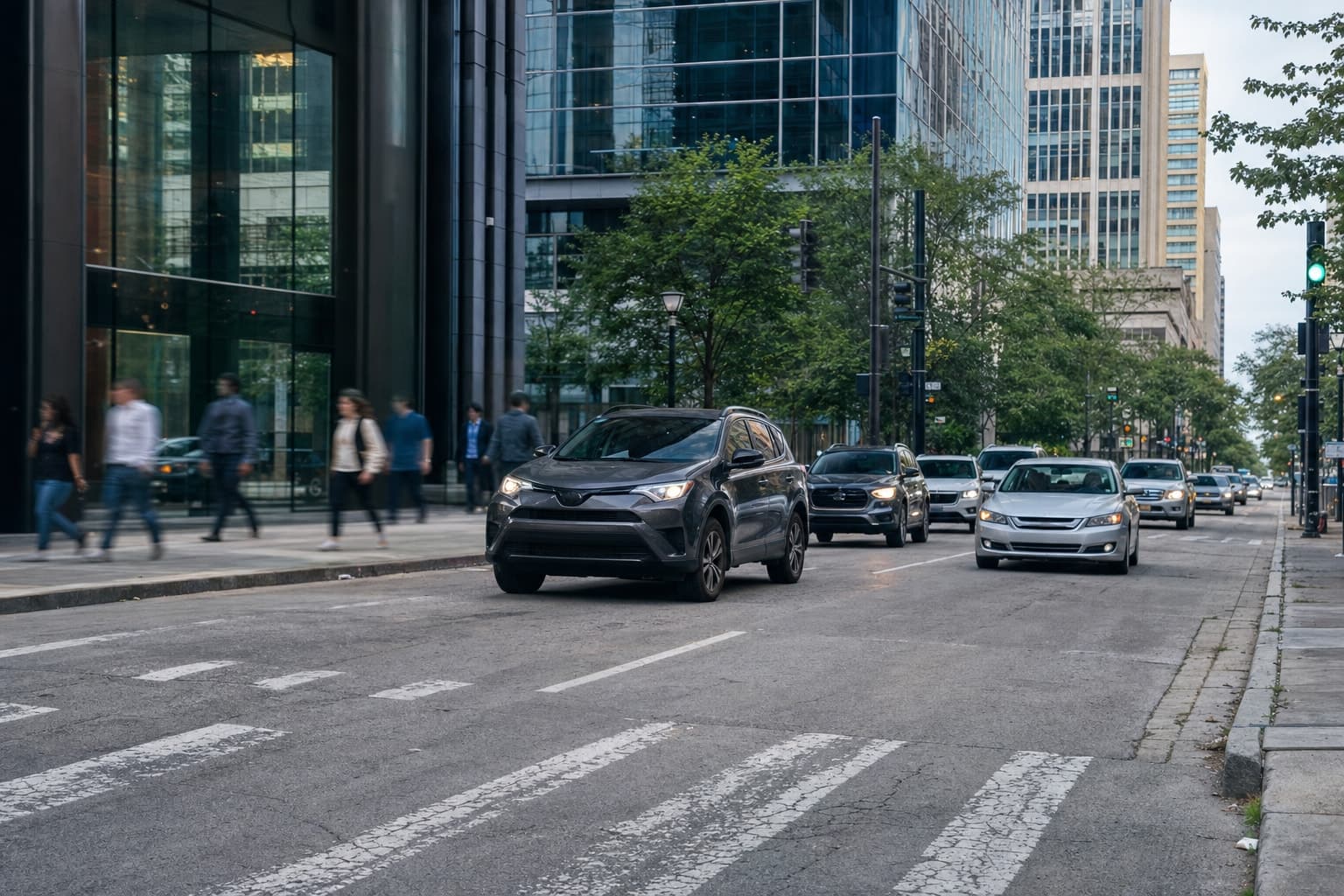
Buying car insurance in Kansas City means looking at how the city’s daily driving patterns shape your policy, not just the state minimums. For car insurance in Kansas City, the big questions are how often you park on busy streets, how much you commute across the metro, and whether your vehicle is exposed to hail, wind, or storm-related damage. The city’s cost of living index of 103 and median household income of $59,328 can make premium tradeoffs feel tight, so it helps to compare car insurance coverage in Kansas City with your actual driving routine. Local drivers also deal with heavy traffic on major corridors, frequent stop-and-go driving, and a mix of older neighborhoods and denser commercial areas where theft and accident exposure can vary by block. If you are shopping for a car insurance quote in Kansas City, it is worth weighing liability coverage in Kansas City, collision coverage in Kansas City, comprehensive coverage in Kansas City, and uninsured motorist coverage in Kansas City together rather than choosing by price alone.

Car Insurance Risk Factors in Kansas City

Kansas City’s risk profile makes several coverages more relevant than a simple price check. ENRICHED_CITY_DATA shows top risks of tornado damage, hail damage, severe storm damage, and wind damage, which can make comprehensive coverage in Kansas City an important part of the conversation. The city also has 8% flood-zone exposure, so drivers who park near low-lying areas or travel during heavy weather may want to think about how a policy responds to non-collision losses. Kansas City’s overall crime index of 167 and property crime rate of 3,244.8 also matter for parked vehicles, especially where motor vehicle theft is elevated. On the road, annual crashes total 21,173, and the leading causes include lane departure, reckless driving, failure to yield, and distracted driving, which can influence collision coverage in Kansas City and deductible choices after an auto accident.

Missouri has a high climate risk rating. Top hazards: Tornado (Very High), Severe Storm (Very High), Flooding (High), Earthquake (Moderate). The state's expected annual loss from natural hazards is $2.2B, which influences car insurance premiums and may affect coverage availability in high-risk areas.

What Car Insurance Covers

Missouri auto policies usually center on liability, collision, comprehensive, uninsured motorist, medical payments, and rental reimbursement, but the exact mix depends on the policy you choose and the carrier’s underwriting rules. Liability coverage in Missouri is the foundation for injuries and damage you may cause to others, while collision coverage helps pay for repairs to your own vehicle after an accident with another car or object. Comprehensive coverage is the part many Missouri drivers pay close attention to because the state’s very high tornado and severe storm exposure can create non-collision losses that are common in local claims. Uninsured motorist coverage is especially relevant in Missouri because the state’s uninsured driver rate is 14%, so it can matter if you are hit by a driver who does not carry enough insurance. Medical payments coverage can help with medical expenses after an auto accident, and rental reimbursement can help keep you mobile while your vehicle is being repaired. Missouri’s Department of Commerce and Insurance regulates the market, but coverage requirements can still vary by driver and policy design, so limits, deductibles, and endorsements should be reviewed carefully before you bind coverage.

Coverage Included

Liability

Protection for liability-related losses and claims

Collision

Protection for collision-related losses and claims

Comprehensive

Protection for comprehensive-related losses and claims

Uninsured Motorist

Protection for uninsured motorist-related losses and claims

Medical Payments

Protection for medical payments-related losses and claims

Rental Reimbursement

Protection for rental reimbursement-related losses and claims

Car Insurance Cost in Kansas City

In Missouri, car insurance premiums are 2% below the national average. This means competitive rates are available.

Average Cost in Missouri

$98 – $262 per month

per month

  • Driving record and age
  • Vehicle make, model, and year
  • Location and commute distance
  • Credit-based insurance score
  • Coverage limits and deductibles

Contact CPK Insurance for a personalized quote.

National average: $100 – $233 per month

* Estimates based on industry averages. Actual premiums depend on your specific business details, claims history, and coverage selections. Rates shown are for informational purposes only and do not constitute a quote.

Car insurance cost in Missouri is shaped by a mix of statewide and personal factors. The average premium range in the state is $98 to $262 per month, and Missouri’s premium index of 98 suggests pricing is close to the national average rather than far above it. Still, local conditions can push a quote up or down. Coverage limits and deductibles are major drivers, along with claims history, location, and policy endorsements. That matters in Missouri because the state has 420 active insurers competing for business, which gives shoppers more options but also more variation in pricing. A driver in Jefferson City may see a different car insurance quote in Missouri than someone parking daily in Kansas City or commuting through St. Louis traffic, especially if the vehicle is exposed to theft, heavy mileage, or storm damage risk. Missouri’s severe weather profile, including very high tornado and storm risk plus high flooding risk, can also influence comprehensive coverage pricing. The state’s average claim cost of $17,507 and 155,000 total crashes in 2023 show why insurers pay close attention to driving history, annual mileage, and vehicle use. If you are comparing auto insurance in Missouri, expect pricing to vary by deductible choice, coverage level, and whether you add options like rental reimbursement coverage in Missouri or broader liability coverage in Missouri.

Industries & Insurance Needs in Kansas City

Kansas City’s industry mix helps explain why many residents need dependable auto insurance in Kansas City. The largest local sectors include Retail Trade at 13.2%, Healthcare & Social Assistance at 12.8%, Accommodation & Food Services at 10.2%, Manufacturing at 9.4%, and Professional & Technical Services at 9.1%. That mix points to a workforce that often depends on a personal vehicle for shifts, errands, client visits, and cross-town travel. Retail and food service workers may need reliable transportation for early or late schedules, while healthcare and professional workers often face tight timing and frequent driving across the metro. In those situations, rental reimbursement coverage in Kansas City can be worth comparing if a repaired vehicle would disrupt work or family routines. The city’s 11,178 business establishments also suggest a broad local economy with many people driving to multiple job sites or commercial districts, which can increase the importance of collision coverage in Kansas City, medical payments coverage in Kansas City, and clear liability coverage in Kansas City.

Car Insurance Costs in Kansas City

Kansas City’s cost context is shaped by a median household income of $59,328 and a cost of living index of 103, which is slightly above a 100 baseline. That combination can make premium budgeting feel more sensitive for households balancing commuting, housing, and vehicle costs. In practical terms, car insurance cost in Kansas City often comes down to how much coverage you choose, what deductible you can afford, and how your vehicle is used day to day. Drivers with longer commutes across the metro, regular street parking, or higher annual mileage may see different pricing than someone who keeps a car in a garage and drives less often. Because the city has a mix of urban traffic, storm exposure, and theft risk, a car insurance quote in Kansas City can shift based on whether you prioritize lower monthly premium or broader protection. Comparing auto insurance in Kansas City across several carriers is especially useful when you are deciding between a higher deductible and more complete coverage.

What Makes Kansas City Different

The single biggest difference in Kansas City is the combination of weather exposure, traffic density, and vehicle-use patterns. Unlike a city where one risk dominates, Kansas City drivers have to think about storm damage, hail, wind, theft, and crash exposure at the same time. With 21,173 annual crashes, a crime index of 167, and 8% flood-zone exposure, the city makes it easier for a policy gap to show up after an auto accident or a parked-car loss. That is why car insurance coverage in Kansas City often needs a more balanced approach: liability for injuries you may cause, collision coverage in Kansas City for crash repairs, comprehensive coverage in Kansas City for weather and theft-related losses, and uninsured motorist coverage in Kansas City for added protection when another driver’s insurance is not enough. For many local drivers, the calculus is less about finding a bare policy and more about choosing the right mix of protection for urban parking, commuting, and severe-weather exposure.

Our Recommendation for Kansas City

Start by matching your policy to where and how you park in Kansas City. If your car sits outside near busy corridors, apartment lots, or higher-theft areas, compare comprehensive coverage in Kansas City with different deductible levels before deciding how much risk to keep. If you commute regularly across the metro or drive in stop-and-go traffic, collision coverage in Kansas City deserves close attention, especially if your vehicle would be expensive to repair. Uninsured motorist coverage in Kansas City is also worth reviewing alongside liability coverage in Kansas City, since a claim can be more complicated when the other driver’s insurance is limited. For drivers who rely on their car for work in retail, healthcare, food service, or professional services, rental reimbursement coverage in Kansas City may help reduce downtime after a covered loss. The best next step is to compare a few car insurance quote in Kansas City options, then choose limits and deductibles that fit your budget and daily driving pattern.

Get Car Insurance in Kansas City

Enter your ZIP code to compare car insurance rates from carriers in Kansas City, MO.

Business insurance starting at $25/mo

FAQ

Frequently Asked Questions

Kansas City drivers often compare liability, collision, comprehensive, uninsured motorist, medical payments, and rental reimbursement because local weather, theft exposure, and crash risk all affect how a policy performs.

Kansas City has top risks like tornado damage, hail damage, severe storm damage, and wind damage, so comprehensive coverage can be important for non-collision vehicle losses.

With a cost of living index of 103 and median household income of $59,328, many drivers compare deductibles and coverage levels carefully to keep monthly premiums manageable.

It can be useful if you depend on your car for commuting, shift work, or cross-town travel and would need transportation while your vehicle is being repaired.

Kansas City drivers deal with 21,173 annual crashes, a crime index of 167, and 8% flood-zone exposure, so it helps to review how your policy handles accidents, parking exposure, and storm-related claims.

Missouri drivers often compare liability, collision, comprehensive, uninsured motorist, medical payments, and rental reimbursement because the state has storm risk, a 14% uninsured driver rate, and frequent crash exposure.

The average range in Missouri is about $98 to $262 per month, but your quote can vary based on coverage limits, deductibles, claims history, location, and endorsements.

Missouri has a 14% uninsured driver rate, so uninsured motorist coverage can help if you are hit by a driver who does not have enough insurance to pay for your losses.

Comprehensive coverage is often worth comparing in Missouri because very high tornado risk, severe storms, and flooding can cause non-collision vehicle losses that a basic policy would not address.

A higher deductible can lower the premium, while a lower deductible usually raises it, so Missouri drivers should choose a level they can afford after a claim.

Drivers who depend on their car every day in places like Jefferson City, St. Louis, Kansas City, or Springfield may want rental reimbursement if they need transportation while their vehicle is being repaired.

The main types of car insurance coverage are liability (bodily injury and property damage), collision (damage to your car in an accident), comprehensive (theft, weather, and non-collision damage), uninsured/underinsured motorist, medical payments or personal injury protection (PIP), and rental car reimbursement. You can customize your policy with the coverages and limits that fit your needs.

There are several ways to reduce your car insurance costs: bundle with homeowners insurance for a multi-policy discount, maintain a clean driving record, raise your deductible, ask about low-mileage discounts, take advantage of safe driver and good student discounts, and compare quotes from multiple carriers. CPK Insurance shops your coverage across many insurers to find you the best rate.

Car insurance rates are determined by your driving record, age, location, vehicle make and model, credit score (in most states), annual mileage, coverage limits, deductibles, and claims history. Younger drivers and those with recent accidents or violations typically pay higher premiums.

Most car insurance policies can be quoted and bound within 24-48 hours for standard risks. An independent agent like CPK Insurance can compare options from multiple carriers and have your policy in place quickly. Certificates of insurance are typically available the same day the policy is bound.

Yes. Bundling auto with homeowners or renters insurance typically saves 15-25% on both policies. Some carriers also discount when you add umbrella liability coverage. An independent agent can shop bundled rates across multiple carriers for the best deal.

No. Standard personal auto insurance does not cover accidents while driving for rideshare platforms like Uber or Lyft, or delivery services like DoorDash. You need a rideshare endorsement or commercial auto policy to fill this gap. Driving for hire without proper coverage can result in a denied claim.

If you carry uninsured/underinsured motorist coverage (UM/UIM), your own policy pays for your injuries and vehicle damage when the at-fault driver has no insurance or insufficient coverage. About 13% of drivers nationwide are uninsured, making UM/UIM one of the most important coverages to carry.

Contact your insurance carrier's claims department immediately — most have 24/7 claims hotlines. Document the incident thoroughly with photos, written descriptions, and witness information. Notify your insurance agent as well. Prompt reporting is important, as delays can complicate or jeopardize your claim.

Updated March 31, 2026

CPK Insurance

CPK Insurance Editorial Team

Reviewed by Licensed Insurance Agents

Fact-Checked

Free & Fast

Compare Quotes from Top Carriers

Enter your ZIP code and compare rates from A-rated carriers in minutes. Free, no obligations.

Compare Quotes NowNo obligation required