







































Updated July 5, 2026

Commercial Truck Insurance in Kansas City
Jackson County supports 18,251 business establishments, so shippers, jobsite customers, and warehouse partners around the metro often expect clean certificates, matching vehicle schedules, and limits that fit the load before a truck is dispatched. That is the practical backdrop for commercial truck insurance in Kansas City. You are not quoting for a generic Missouri route map here. You are quoting for dense local pickup and delivery patterns, repeat stops, and contracts where a missed endorsement or the wrong listed vehicle can slow payment or keep you off a dock. If you run box trucks, dump trucks, hot shot units, or a small mixed fleet, the buying question is usually less about broad theory and more about paperwork discipline: who is asking for additional insured status, which units cross state lines, what cargo changes by week, and whether hired or non-owned auto belongs in the review. Start with the way your trucks actually move through industrial areas, medical campuses, retail corridors, and contractor supply runs, then ask for a quote built around those routes, drivers, and certificates.
Commercial Truck Insurance Risk Factors in Kansas City
Local truck exposure is shaped by stop frequency and operating density more than by a single city-only hazard. Here, many vehicles are not running one long uninterrupted lane. They are backing into alleys, circulating through loading areas, making timed retail drops, and moving between customer sites where a minor incident can turn into a claim dispute over cargo, property damage, or downtime. That makes **unit scheduling, garaging address, radius of operation, and driver assignment details** worth tightening before you bind. If your work includes contractor hauling, medical supply delivery, or retail replenishment, review whether your policy terms line up with after-hours parking, unattended vehicle expectations, and the kinds of trailers or attached equipment you actually use. A local quote works better when it reflects where each truck sleeps, how often drivers swap units, and whether seasonal overflow pushes you into rented vehicles or subcontracted loads.
Missouri has a high climate risk rating. Top hazards: Tornado (Very High), Severe Storm (Very High), Flooding (High), Earthquake (Moderate). The state's expected annual loss from natural hazards is $2.2B, which influences commercial truck insurance premiums and may affect coverage availability in high-risk areas.
What Commercial Truck Insurance Covers
Your Missouri policy is built around how your trucks earn revenue. The core pieces in this market include liability for injury and damage arising from trucking operations, physical damage for owned units, cargo insurance for freight in transit, trailer interchange for non-owned trailers under agreement, bobtail coverage for certain deadhead situations, and non-trucking liability for use outside dispatch. Missouri does not add a separate state-specific commercial truck mandate here, but businesses still need to meet federal freight liability expectations and any shipper or broker requirements that exceed them. The state's commercial auto minimums sit at the standard split limits, yet those limits are far below what many trucking contracts ask for, so the policy structure usually matters more than the minimum alone. In practice, exclusions and endorsements vary by carrier and by the cargo, route, and trailer arrangements you use. A refrigerated truck hauling perishable freight, a flatbed with frequent trailer swaps, or a local delivery van with mixed-use exposure may each need different endorsements to avoid gaps. Missouri's storm and tornado history also makes physical damage and cargo terms especially important when a loss is tied to weather, debris, or road closures.
Coverage Included

Motor Carrier Liability
Can help cover injuries and property damage your truck causes to others, a coverage federal regulators require most for-hire carriers to maintain.
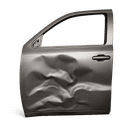
Physical Damage
Can help pay to repair or replace your own truck after an accident, fire, theft, or vandalism.
Cargo Coverage
May pay for damage to or theft of the freight you are hauling while it is in your care.
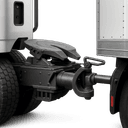
Trailer Interchange
Can help cover damage to trailers you haul under an interchange agreement but do not own.

Bobtail Coverage
May provide liability protection when you drive your tractor without a trailer attached, such as after dropping off a load.

Non-Trucking Liability
Can help cover accidents that happen when you use your truck for personal errands rather than dispatched work.
Commercial Truck Insurance Cost in Kansas City
Average Cost in Missouri
$380 - $1,125
per month
Businesses in Missouri typically see commercial truck insurance premiums of $380 - $1,125 per month, which tends to run 1% below the national range of $400 - $1,125 per month.
- Radius of operation
- Commodities hauled and cargo value
- Number and value of power units
- Driver motor vehicle records and CDL experience
- DOT safety record, inspections, and FMCSA scores
- Liability limits and physical damage deductibles
Contact CPK Insurance for a personalized quote.
Prices shown are general estimates, not guaranteed rates or quotes. Your actual premium will depend on the insurer, coverage selected, business details, location, claims history, and other underwriting factors. Learn about our pricing methodology.
The Missouri pricing picture is close to the national market, but it still moves with local risk. Pricing for this product depends on location, claims history, coverage limits and deductibles, industry or risk profile, and policy endorsements. Missouri's premium index is 98, which suggests pricing is near the national average rather than sharply above it. Missouri's high tornado risk, very high severe storm rating, and high flooding risk can push premiums upward for fleets that park outside, run storm-prone corridors, or carry cargo that is sensitive to weather delays. The state's auto loss environment also matters, with an average claim cost of $17,507, 155,000 crashes in 2023, and a fatal crash rate of 1.61 compared with the national average of 1.33. Because that fatal crash rate runs higher than the national baseline, carriers may price liability more aggressively for operations with weaker safety profiles. Those numbers help explain why truck liability insurance can price differently by route, vehicle class, and driver record. A company running mostly local Missouri routes may see a different quote than a long-haul carrier with interstate exposure, because mileage, terminal location, cargo type, and trailer interchange use all affect the final number. With a competitive market of active insurers, quote variation is normal, so shopping the market across several carriers is part of the pricing process.
Industries & Insurance Needs in Kansas City
Jackson County's establishment mix leans toward health care and social assistance at 15.4%, professional, scientific, and technical services at 12.4%, and retail trade at 11.9%, so local trucking demand often includes time-sensitive deliveries, service-related fleet movement, and frequent retail restocking rather than only long-haul freight. That matters because the insurance conversation changes with the work. A truck serving clinics or care facilities may need tighter certificate handling and clearer driver procedures at delivery points. Retail-oriented routes can mean more stops, more backing, and more exposure to minor collision and property damage claims. Service businesses that use trucks or vans may need to review whether tools, mobile equipment, or hired vehicles create gaps. Instead of asking for a one-size-fits-all truck policy, map your top customers by sector and ask your agent to review vehicle type, radius, cargo, and any non-owned or hired auto exposure against those contracts.
What Makes Kansas City Different
Operational density is the main difference here. In this market, a commercial truck policy often succeeds or fails on how well it matches frequent stops, mixed customer types, and certificate demands from warehouses, retailers, contractors, and institutional buyers. The issue is not just having liability on paper. It is whether the policy schedule, listed drivers, filings, and optional coverages line up with the way your trucks are actually used during the week. A contractor's dump truck, a distributor's box truck, and a service fleet's pickup can all sit under the same business name while creating very different insurance questions. That is why local buyers usually benefit from a route-and-contract review before renewal. Look at who requires proof of coverage, which units cross into Kansas, whether any employee uses a personal vehicle for errands, and how often you add or replace trucks mid-term. Those details change the quote more than generic state-level talking points do.
Our Recommendation for Kansas City
Build your submission from operations outward. Start with a current vehicle list, garaging addresses, driver roster, and a short description of what each unit hauls or delivers. Then separate your exposures by use: dedicated delivery, contractor hauling, service calls, or mixed-use vehicles. If a truck crosses state lines, note that early so filings and radius assumptions can be checked before the quote is released. If you rely on rented trucks during busy periods, ask for a hired auto review instead of assuming your base policy handles it. If employees ever use personal vehicles for bank runs, parts pickup, or site visits, ask whether non-owned auto belongs in the package. Keep certificates and contract requirements together before renewal, especially if customers ask for additional insured wording or specific limits. A cleaner submission usually gets you a more usable quote, and it reduces the chance that a missing detail surfaces only after a claim or a rejected certificate request.
Get Commercial Truck Insurance in Kansas City
Enter your ZIP code to compare commercial truck insurance rates from carriers in Kansas City, MO.
Business insurance starting at $25/mo
FAQ
Frequently Asked Questions
Kansas City area trucking work often involves repeat deliveries to docks, jobsites, and customer facilities that will not release freight or start work without current proof of coverage. Bring your contract insurance requirements to the quote review so limits, vehicle schedules, and endorsements can be checked together.
Jackson County has 18,251 business establishments, so many trucking accounts here deal with more counterparties asking for certificates, scheduled vehicles, and contract-specific wording. Shop with a current customer list, route radius, and unit-by-unit use details instead of requesting a generic fleet quote.
Kansas City operators should review garaging addresses, driver assignments, hired auto needs, and whether any employee uses a personal vehicle for company errands. Those operational details often matter more locally than broad state averages because frequent-stop work creates more chances for paperwork and claim issues.
Jackson County's leading sectors are health care and social assistance at 15.4%, professional services at 12.4%, and retail trade at 11.9%, so local trucking often supports deliveries and service calls with frequent stops. Review cargo type, delivery locations, and backing exposure against those customer sectors.
Kansas City trucking businesses should mention any regular Kansas runs at the start of the application. Cross-state operations can affect filings, radius assumptions, and how your vehicles are classified, so it is better to sort that out before binding than after a certificate request or claim.
In Missouri, the policy can be built around motor carrier liability, physical damage, cargo coverage, trailer interchange, bobtail coverage, and non-trucking liability, depending on how your truck is used and what contracts you have.
Missouri commercial auto minimums follow the standard split limits, but trucking liability often needs to follow federal freight rules and any shipper or broker requirements that are higher.
The final price depends on limits, deductibles, claims history, location, industry risk, and endorsements. Missouri storm exposure can also affect physical damage and cargo pricing.
Sources
- 1.U.S. Census Bureau, County Business Patterns, Jackson County(Jackson County supports 18,251 business establishments, so shippers, jobsite customers, and warehouse partners around the metro often expect clean certificates, matching vehicle schedules, and limits that fit the load before a truck is dispatched.; Jackson County's establishment mix leans toward health care and social assistance at 15.4%, professional, scientific, and technical services at 12.4%, and retail trade at 11.9%, so local trucking demand often includes time-sensitive deliveries, service-related fleet movement, and frequent retail restocking rather than only long-haul freight.)
Updated July 5, 2026





