Updated July 16, 2026

Dealer Open Lot Insurance in Kansas City
Your Kansas City dealership may sit on a visible retail strip with front-line units, while overflow inventory gets staged on a secondary fenced parcel a few blocks away. Before a vehicle ever reaches the online listing, it might move through recon, detail, and photo prep at two or three locations. Because customers come from nearby neighborhoods, suburban trade areas, and across the state line, your lot layout and daily movement pattern matter as much as the unit count itself. A policy that accounts for where vehicles actually sit overnight, how often staff reposition them, and whether temporary storage comes into play during busy buying periods can better match how you operate.
Dealer Open Lot Insurance Risk Factors in Kansas City
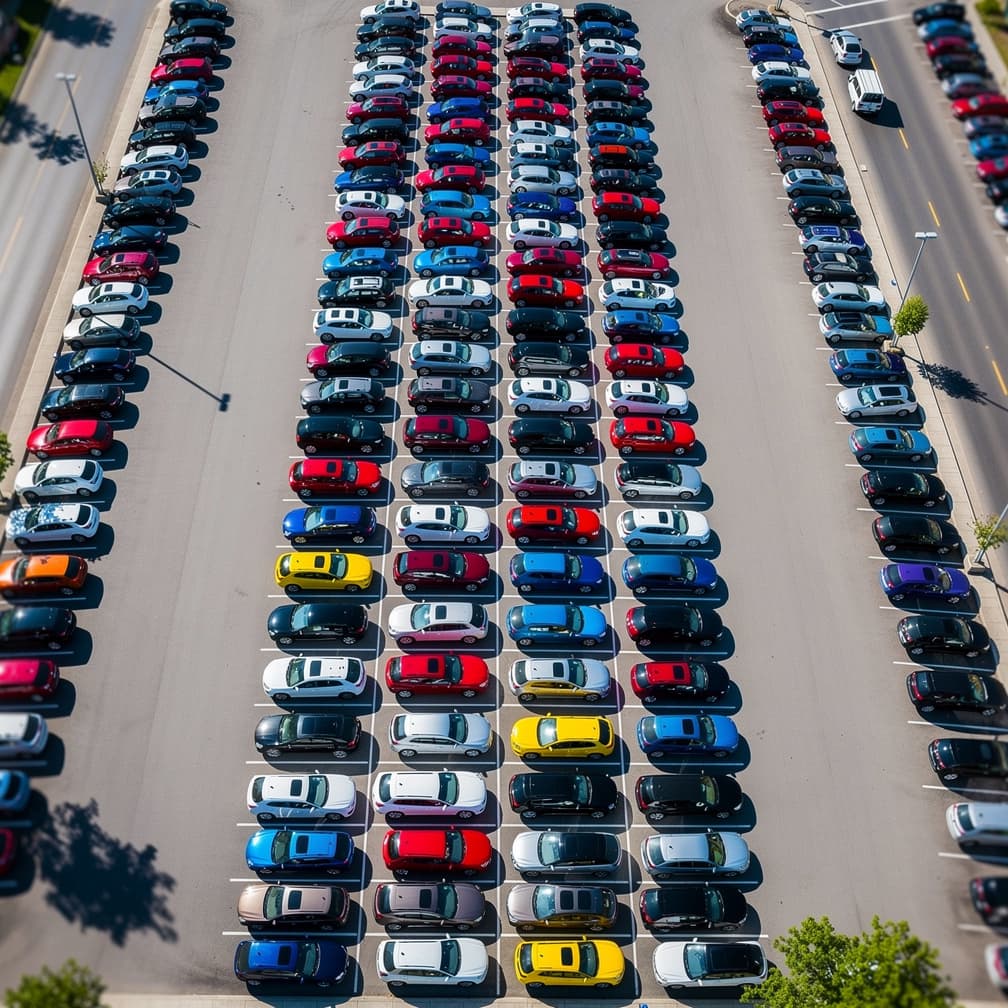
Kansas City lot exposure often comes down to **concentration and movement**, not just weather. If you stack similar-value units tightly on one primary lot, then use a nearby overflow parcel only during auctions, trade-in surges, or weekend promotions, a loss can hit more inventory at once than your schedule suggests. That is worth reviewing carefully here because the operation itself can create the biggest gap: vehicles waiting for recon, units parked behind the showroom, and cars staged off-site for space management may not all face the same security controls. Missouri's broader hazard pattern is part of the backdrop, but the practical local question is simpler: where are your most valuable vehicles parked at closing, and does your limit assume that exact concentration? Walk the lot by row, identify any choke points for debris, fencing, or drainage, and ask your agent to review peak inventory values by location rather than averaging the whole operation.
Missouri has a high climate risk rating. Top hazards: Tornado (Very High), Severe Storm (Very High), Flooding (High), Earthquake (Moderate). The state's expected annual loss from natural hazards is $2.2B, which influences dealer open lot insurance premiums and may affect coverage availability in high-risk areas.
What Dealer Open Lot Insurance Covers
In Missouri, the useful coverage conversation starts with where your inventory sits during a normal week. Some dealers keep nearly everything on one fenced lot. Others split vehicles between the sales line, a back row, a recon area, a body shop partner, or overflow space used when trades stack up. Those operating details matter because a claim often turns on location, custody, and whether the vehicle was in ordinary dealership handling when the loss happened.
For a Missouri lot, weather-driven damage deserves close review because one storm can affect multiple units at once. Theft and vandalism also need practical attention, especially if high-demand vehicles, catalytic converter targets, or easy-to-move units sit near public access points. Fire exposure is not just a building issue either. You may need to think through spacing between vehicles, nearby repair activity, and whether any units are stored close to other combustible materials.
Movement rules are another place where Missouri dealers should slow down and read the form. A vehicle may leave the main lot for fueling, detailing, emissions-related service, photography, a customer demonstration, or temporary storage. Ask how the policy treats those routine movements, what qualifies as covered inventory at each location, and whether any distance or premises conditions apply. The Missouri Department of Commerce and Insurance publishes consumer complaint data and form filings that can help you compare how carriers handle endorsements and claims. As you evaluate options, request specimen wording for off-premises storage, test drive handling, and any exclusions tied to unattended vehicles or lot security.
Coverage Included

Weather Damage
Covers hail, wind, flood, and storm damage to lot inventory.

Theft Protection
Covers vehicles stolen from your lot.

Fire Damage
Covers fire and explosion damage to inventory vehicles.

Vandalism
Covers intentional damage to vehicles on your lot.

Test Drive Coverage
Covers vehicles during customer and employee test drives.

Transit Coverage
Covers vehicles being moved between lot locations.
Industries & Insurance Needs in Kansas City
Commercial demand is the local difference. Jackson County has 18,251 business establishments, and the leading sectors by establishment share are health care and social assistance at 15.4%, professional, scientific, and technical services at 12.4%, and retail trade at 11.9%. That matters for a dealer because those sectors support a steady flow of commuters, service businesses, and small fleets shopping for practical used vehicles, not just personal autos. If your inventory mix leans toward work pickups, cargo vans, entry-level sedans, or higher-mileage serviceable units, your open lot review should match that turnover pattern. Faster-selling bread-and-butter inventory can mask short periods of heavy concentration after trade-in events or auction buys. Ask for a limit review tied to your busiest acquisition weeks, and separate any specialty or higher-value units that would change the loss picture if they are parked together.
What Makes Kansas City Different
What sets this market apart is how inventory flows across multiple locations and customer zones. You may advertise to urban buyers, suburban commuters, and shoppers willing to cross municipal lines for the right unit. That customer reach tends to pull units between display rows, service areas, and overflow storage more often than a smaller single-lot operation would see. Real exposure is not just what sits on the front line at noon, but everything parked behind the building, waiting at recon, or held off-site after a buying run. When value-oriented inventory turns quickly, a few days of heavier concentration can quietly exceed what you planned for. Walk your lots on the busiest week of the month and count every vehicle at each address, because that snapshot reveals the real exposure rather than a typical afternoon. If your current terms were built around a simpler lot layout, ask for a fresh look at every storage point and the maximum number of units kept there overnight.
Our Recommendation for Kansas City
Start by mapping every location where inventory sits, from the main lot and fenced overflow to service-lane parking and overnight holding spots you only use during heavy acquisition weeks. Once you have that map, compare your highest single-day inventory value against the limit you carry today. If your operation mixes lower-priced daily drivers with a smaller group of higher-value trucks or specialty units, ask whether one blanket approach still fits the way those vehicles are parked. You should also review who moves units, when keys are controlled, and whether recon or detail staging creates an uncounted concentration behind the storefront. Tell your provider about any operational changes since the last renewal rather than assuming the policy still tracks your current setup. For a cleaner quote comparison, send a current inventory snapshot, all storage addresses, and your peak seasonal unit count before you shop terms.
Get Dealer Open Lot Insurance in Kansas City
Enter your ZIP code to compare dealer open lot insurance rates from carriers in Kansas City, MO.
Business insurance starting at $25/mo
FAQ
Frequently Asked Questions
You should disclose every place inventory is parked overnight, including overflow space used only during busy weeks. A quote built around one visible lot can miss the real concentration if units are also staged behind the shop or on a secondary parcel.
Inventory movement between display, recon, detail, and overflow storage usually drives the review here. If vehicles shift locations during the week, ask for terms based on peak concentration by address, not a simple average count.
Jackson County has 18,251 business establishments. That many active firms means a steady pool of workers and small businesses shopping for practical vehicles year-round, which can keep your lot turnover high even in slower seasons. Fast-turn units and work trucks can create short bursts of heavier lot concentration, so make sure your limit reflects those peak windows rather than a quiet Tuesday.
Jackson County's leading sectors are health care and social assistance at 15.4%, professional, scientific, and technical services at 12.4%, and retail trade at 11.9%. Those industries draw commuters who need reliable sedans and tradespeople who need work-ready trucks, so your highest-value rows may sit in a different section of the lot than a typical suburban dealer would carry. Stock your inventory and set your limits around what those shoppers actually drive home.
Kansas City median household income is $67,449. At that income level, many dealers carry a mix of value-priced daily drivers alongside a handful of higher-value units, which means a single blanket limit may underprotect the premium row while overinsuring the rest. Look at whether your per-unit cap still fits the most expensive vehicle you would park overnight, not just the average.
You should list every place inventory is stored or regularly moved, because location details often affect how a claim is reviewed. A quote built only on the main lot can miss overflow or recon exposure that matters after a loss.
Weather-driven inventory losses can hit several units in one event, so limit selection, deductible choice, and concentration of vehicles by location deserve a closer review than a basic one-lot quote.
Dealer insurance is regulated by the Missouri Department of Commerce and Insurance, which is the state insurance regulator. That is a good reason to keep quote comparisons organized and policy wording requests documented.
Sources
- 1.U.S. Census Bureau, ACS 5-Year Estimates, table B19013(The city's median household income is $67,449)
- 2.U.S. Census Bureau, County Business Patterns, Jackson County(Jackson County has 18,251 business establishments; Jackson County's leading sectors are health care and social assistance at 15.4%, professional, scientific, and technical services at 12.4%, and retail trade at 11.9%)
Updated July 16, 2026