Updated July 16, 2026

Builders Risk Insurance in Springfield
Builders risk insurance in Springfield often demands tighter valuation discipline than buyers expect, because much of the work here ties to modest home values and practical tenant improvements. If you insure a remodel, infill build, or light commercial upgrade off a rough round number, you can end up paying for limits you do not need or leaving a gap between the completed value and the materials already committed to the job. Springfield's median home value sits at $165,200, meaning a standard framing and mechanicals package can represent a larger share of total project value than it would in pricier markets, though lumber packages, mechanicals, and finish selections can still move fast once work begins. A quote here works better when you break out the structure value, temporary works, and any owner supplied materials instead of treating the whole job as a single estimate. If your project is a storefront refresh, clinic buildout, or rental renovation, ask for coverage terms that match the actual construction schedule and where materials sit between delivery and installation.
Builders Risk Insurance Risk Factors in Springfield
Springfield's top risk factors include Tornado damage, Hail damage, Severe storm damage, and Wind damage.
Missouri has a high climate risk rating. Top hazards: Tornado (Very High), Severe Storm (Very High), Flooding (High), Earthquake (Moderate). The state's expected annual loss from natural hazards is $2.2B, which influences builders risk insurance premiums and may affect coverage availability in high-risk areas.
What Builders Risk Insurance Covers
The useful review is not the basic insuring idea. It is how the policy matches the way your job is staged. A ground-up build outside a dense urban core may need closer attention to fencing, locked storage, and the distance between the site and where materials are kept before installation. A renovation in an occupied building raises different questions about existing structure, phased turnover, and whether materials are covered once they are delivered to upper floors, interior rooms, or temporary laydown areas.
You should ask the quote to spell out how it treats materials in transit, materials stored off site, temporary works, and property that is intended to become part of the finished project. Weather patterns here also make it worth reviewing water-related exclusions, wind-driven rain scenarios, and the point at which a partially dried-in structure becomes less vulnerable.
For lender-backed projects, review whether the form and limit satisfy the financing agreement. For owner-contractor disputes, clarity matters even more. The policy should align with the contract on who buys coverage, whose interest is recognized, and whether change orders, delay-related expenses, or testing exposures need separate attention before work starts.
Coverage Included

Structure Coverage
Covers the building or structure under construction.

Materials on Site
Covers building materials stored at the construction site.

Materials in Transit
Covers materials being transported to the job site.
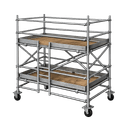
Temporary Structures
Covers scaffolding, fencing, and temporary buildings.

Soft Costs
Covers additional expenses from construction delays due to covered losses.

Equipment Coverage
Covers permanently installed fixtures and equipment.
Industries & Insurance Needs in Springfield
Greene County's business mix changes the kinds of projects that show up for builders risk review. The county has 8,600 business establishments, and the largest establishment shares are retail trade at 13.2%, health care and social assistance at 11.9%, and other services at 10.8%, so a lot of local work is not ground-up industrial construction. It is often tenant improvements, interior renovations, small footprint additions, and occupied-building work where phasing, partial turnover, and protection of installed materials matter more than a long open-site build. That should change how you request quotes. Instead of sending only a total contract value, spell out whether the job is a retail refresh, a medical office buildout, or a service business renovation, whether the building stays occupied during work, and whether equipment or finish materials arrive before they are installed. Those details can matter more than broad assumptions borrowed from a larger commercial project.
What Makes Springfield Different
Springfield's median household income is $45,984, so investors working with thinner margins have less room to absorb a coverage gap mid-project. That earning base tends to push owners and small investors toward leaner project budgets, and they may be tempted to set policy limits from the loan amount or a contractor's first pass estimate. The problem with that shortcut is that a loan figure often ignores materials already purchased and stored on site, while a rough estimate can just as easily overshoot what a smaller remodel actually requires. The better approach is to separate what is already in place from what is being added, then match the policy to the portion of value that is actually at risk during construction. Renovation worksheets tend to lump existing structure, new work, and owner furnished items together, which is exactly where valuation errors start. Before binding coverage, you may want to reconcile the draw schedule, the construction contract, and the replacement cost assumptions so the policy tracks the job as it will actually be built rather than how it looked in an early budget.
Our Recommendation for Springfield
If the job is a house renovation, compare the planned completed value against the current property baseline and document any upgrades that materially change the risk. Retail and medical buildouts require a different question: ask whether the form is written for interior improvements only or for a broader project value, because that distinction affects how a loss is adjusted. List major materials by timing and location as well, especially if cabinets, fixtures, or mechanical equipment will be delivered before installation. When the building stays occupied, confirm who carries responsibility for existing building damage versus new work, then line that up with the construction contract before you request final terms. If a lender or owner is involved, circulate the insurance requirements early so named insureds, loss payee wording, and completed value assumptions are settled before materials hit the site. That usually produces a cleaner quote and fewer change orders to the policy mid-project.
Get Builders Risk Insurance in Springfield
Enter your ZIP code to compare builders risk insurance rates from carriers in Springfield, MO.
Business insurance starting at $25/mo
FAQ
Frequently Asked Questions
Even a modest miscalculation in completed value can shift your limits enough to trigger a coinsurance penalty or leave key materials underinsured. You can start with the actual post-construction value and a major material schedule, which tends to produce a more accurate limit than relying on a rough budget placeholder.
Retail trade and health care are among the largest sectors here, which means contractors and property owners see a steady flow of tenant improvement work across both specialties. That volume makes it worth confirming occupancy during construction, interior improvement scope, delivery timing, and who owns installed materials before you compare terms.
You can review your policy from the value actually at risk during construction rather than the loan amount. The loan amount can miss owner supplied materials, change orders, or soft assumptions, while the contract alone may not capture completed value accurately.
When you request a quote for a rental renovation, it helps to include the construction timeline, where materials will be stored, whether the building stays occupied, and which party is responsible for existing structure damage. Those details affect how the policy should be structured for the job.
You get a cleaner comparison by giving every carrier the same contract terms, completed value, schedule, and site-security details.
Projects here usually follow the construction contract. The owner often buys it, but a general contractor or developer may handle placement if the agreement assigns that responsibility and other project interests need to be recognized.
Policies here may help cover off-site storage, but the answer depends on the form, location, and security conditions.
Lender-backed projects here often require evidence that the work in place is insured before funds are advanced.
Sources
- 1.U.S. Census Bureau, ACS 5-Year Estimates, table B25077(Springfield's median home value is $165,200.)
- 2.U.S. Census Bureau, County Business Patterns, Greene County(Greene County has 8,600 business establishments.; The largest establishment shares in Greene County are retail trade at 13.2%, health care and social assistance at 11.9%, and other services at 10.8%.)
- 3.U.S. Census Bureau, ACS 5-Year Estimates, table B19013(Springfield's median household income is $45,984.)
Updated July 16, 2026