








































Updated July 16, 2026

Commercial Truck Insurance in Springfield
The decision to shop for commercial truck insurance usually lands when you add a truck for a new delivery lane, sign a warehouse lease near downtown, or take on a contract that pushes your drivers across more stops in a day. At that point, your exposure is tied to short local runs, repeat customer locations, and tighter scheduling windows rather than a simple long haul profile. A box truck serving medical offices, a contractor moving tools between jobs, and a retail supplier restocking stores all create different demands on liability, equipment, and cargo protection. Your quote needs to reflect where units are garaged, who drives them, what they carry, and whether the same truck shifts between delivery, service, and pickup work during the week. If you are replacing a personal-use vehicle with a titled business unit, this is also the moment to review hired and non-owned auto exposure, trailer interchange terms, and how quickly your provider can turn around certificates for customers that want proof of coverage before work starts.
Commercial Truck Insurance Risk Factors in Springfield
Springfield's top risk factors include Tornado damage, Hail damage, Severe storm damage, and Wind damage.
Missouri has a high climate risk rating. Top hazards: Tornado (Very High), Severe Storm (Very High), Flooding (High), Earthquake (Moderate). The state's expected annual loss from natural hazards is $2.2B, which influences commercial truck insurance premiums and may affect coverage availability in high-risk areas.
What Commercial Truck Insurance Covers
Your Missouri policy is built around how your trucks earn revenue. The core pieces in this market include liability for injury and damage arising from trucking operations, physical damage for owned units, cargo insurance for freight in transit, trailer interchange for non-owned trailers under agreement, bobtail coverage for certain deadhead situations, and non-trucking liability for use outside dispatch. Missouri does not add a separate state-specific commercial truck mandate here, but businesses still need to meet federal freight liability expectations and any shipper or broker requirements that exceed them. The state's commercial auto minimums sit at the standard split limits, yet those limits are far below what many trucking contracts ask for, so the policy structure usually matters more than the minimum alone. In practice, exclusions and endorsements vary by carrier and by the cargo, route, and trailer arrangements you use. A refrigerated truck hauling perishable freight, a flatbed with frequent trailer swaps, or a local delivery van with mixed-use exposure may each need different endorsements to avoid gaps. Missouri's storm and tornado history also makes physical damage and cargo terms especially important when a loss is tied to weather, debris, or road closures.
Coverage Included

Motor Carrier Liability
Can help cover injuries and property damage your truck causes to others, a coverage federal regulators require most for-hire carriers to maintain.

Physical Damage
Can help pay to repair or replace your own truck after an accident, fire, theft, or vandalism.
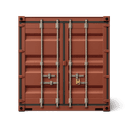
Cargo Coverage
May pay for damage to or theft of the freight you are hauling while it is in your care.
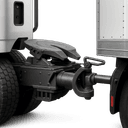
Trailer Interchange
Can help cover damage to trailers you haul under an interchange agreement but do not own.

Bobtail Coverage
May provide liability protection when you drive your tractor without a trailer attached, such as after dropping off a load.

Non-Trucking Liability
Can help cover accidents that happen when you use your truck for personal errands rather than dispatched work.
Commercial Truck Insurance Cost in Springfield
Average Cost in Missouri
$380 - $1,125
per month
Businesses in Missouri typically see commercial truck insurance premiums of $380 - $1,125 per month, which tends to run 1% below the national range of $400 - $1,125 per month.
- Radius of operation
- Commodities hauled and cargo value
- Number and value of power units
- Driver motor vehicle records and CDL experience
- DOT safety record, inspections, and FMCSA scores
- Liability limits and physical damage deductibles
Contact CPK Insurance for a personalized quote.
Prices shown are general estimates, not guaranteed rates or quotes. Your actual premium will depend on the insurer, coverage selected, business details, location, claims history, and other underwriting factors. Learn about our pricing methodology.
The Missouri pricing picture is close to the national market, but it still moves with local risk. Pricing for this product depends on location, claims history, coverage limits and deductibles, industry or risk profile, and policy endorsements. Missouri's premium index is 98, which suggests pricing is near the national average rather than sharply above it. Missouri's high tornado risk, very high severe storm rating, and high flooding risk can push premiums upward for fleets that park outside, run storm-prone corridors, or carry cargo that is sensitive to weather delays. The state's auto loss environment also matters, with an average claim cost of $17,507, 155,000 crashes in 2023, and a fatal crash rate of 1.61 compared with the national average of 1.33. Because that fatal crash rate runs higher than the national baseline, carriers may price liability more aggressively for operations with weaker safety profiles. Those numbers help explain why truck liability insurance can price differently by route, vehicle class, and driver record. A company running mostly local Missouri routes may see a different quote than a long-haul carrier with interstate exposure, because mileage, terminal location, cargo type, and trailer interchange use all affect the final number. With a competitive market of active insurers, quote variation is normal, so shopping the market across several carriers is part of the pricing process.
Industries & Insurance Needs in Springfield
Greene County's business mix changes what many local trucking risks look like day to day. The county has 8,600 business establishments, so a truck policy here often supports frequent certificate requests, vendor access rules, and recurring deliveries to many separate customer locations rather than one dedicated shipper. Retail trade accounts for 13.2% of county establishments, health care and social assistance 11.9%, and other services except public administration 10.8%, so it is worth asking whether your operation serves storefronts, clinics, care facilities, repair shops, or mixed commercial accounts with different loading practices and time windows. That matters because the same vehicle can face very different claims scenarios depending on whether it is backing into a retail alley, unloading near patient traffic, or carrying tools and parts for service calls. Bring a current vehicle schedule, driver list, and your top customer types to the quote review so classifications and use are less likely to miss how the truck actually works.
What Makes Springfield Different
Route density is the main difference here. Many trucking accounts around Springfield are not built around one long corridor and one cargo type. Instead, they involve repeated local stops, mixed-use vehicles, and customer-facing delivery or service work that changes by day. That shifts the buying decision away from a basic per-truck view and toward operational detail. You need to consider who is driving each unit, whether employees take trucks home, how often drivers back into tight commercial spaces, and whether tools, inventory, or temperature-sensitive goods stay on the vehicle between stops.
If your book of business includes retailers, clinics, property managers, or service accounts, ask for a policy review that tests liability limits, physical damage deductibles, cargo terms, and endorsements for hired or non-owned autos. The goal is not broader coverage for its own sake. It is a cleaner fit between your actual route pattern and the policy language that responds when a claim starts with a curb strike, a loading incident, or a theft from a parked unit.
Our Recommendation for Springfield
Start with the vehicle schedule and use class, because that is where local trucking accounts often drift out of date. If one truck now handles deliveries in the morning and service calls later in the day, say so. If a driver regularly parks at home, note that too. Look at operating radius, garaging addresses, driver MVR expectations, and whether any unit tows equipment or a trailer on only part of the week. If you serve customer sites that ask for certificates before access is granted, confirm how quickly certificates can be issued and whether additional insured or waiver wording comes up in your contracts.
Springfield's median household income is $45,984, which means many local operators run on thin margins and feel a $2,500 out-of-pocket hit more than a fleet in a higher-income market would. For a small operator, that often means monthly cash flow gets watched closely and deductibles are chosen to keep premiums manageable. But a deductible only works if you can absorb it without borrowing or skipping another bill. Before you bind, compare at least two deductible options against your reserves and ask the agent to flag any gap between listed vehicle use and actual operations.
Get Commercial Truck Insurance in Springfield
Enter your ZIP code to compare commercial truck insurance rates from carriers in Springfield, MO.
Business insurance starting at $25/mo
FAQ
Frequently Asked Questions
Describe stop frequency, garaging, driver assignments, and what stays on the truck between jobs. A route with repeated retail or service stops can be rated differently from a truck that mainly runs one shipper and one lane. The more detail you provide, the more accurately the quote reflects what your drivers actually do on a given Tuesday.
Mixed-use trucks should be quoted for the work they actually do. If the same unit carries inventory, tools, or parts on different days, ask the agent to review use class, physical damage, and any cargo-related exposure together. Listing it as one thing when it does another can create problems at claim time.
Greene County has roughly 8,600 business establishments, which means your drivers are likely backing into more tight lots and fielding more certificate requests than a rural operator would face in a typical week. That volume translates into more customer sites, certificate requests, and backing or unloading exposures across a normal week, so it is a good reason to review customer types and stop patterns before you buy.
Greene County's leading sectors include retail trade at 13.2% and health care and social assistance at 11.9%, so a meaningful share of your stops probably involve tight loading docks, patient traffic, and delivery windows that carry penalties if missed. Trucks serving those accounts should review loading practices, parking, time-sensitive deliveries, and liability limits for customer-facing locations. **A curb strike at a clinic loading dock is a different claim than a highway accident**, and your policy should reflect that reality.
Buyers here often balance premium against cash flow. With the city's median household income at $45,984, it is smart to compare deductible options against available reserves, so a physical damage claim does not become the reason a payroll run bounces. Pick the number you can actually write a check for tomorrow.
In Missouri, the policy can be built around motor carrier liability, physical damage, cargo coverage, trailer interchange, bobtail coverage, and non-trucking liability, depending on how your truck is used and what contracts you have.
Missouri commercial auto minimums follow the standard split limits, but trucking liability often needs to follow federal freight rules and any shipper or broker requirements that are higher.
The final price depends on limits, deductibles, claims history, location, industry risk, and endorsements. Missouri storm exposure can also affect physical damage and cargo pricing.
Sources
- 1.U.S. Census Bureau, County Business Patterns, Greene County(Greene County has 8,600 business establishments.; Greene County's leading sectors include retail trade at 13.2%, health care and social assistance at 11.9%, and other services except public administration at 10.8%.)
- 2.U.S. Census Bureau, ACS 5-Year Estimates, table B19013(Springfield's median household income is $45,984.)
Updated July 16, 2026





