







































Updated July 16, 2026

Dealer Open Lot Insurance in Springfield
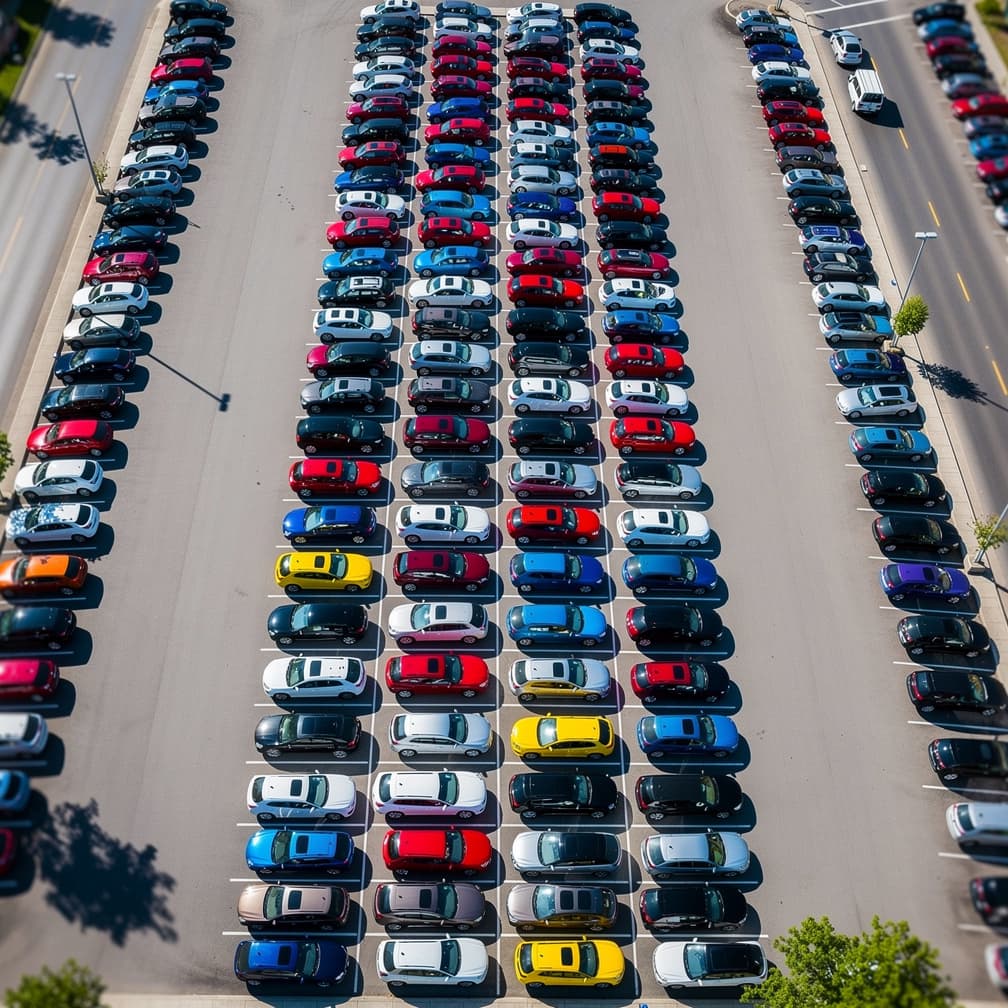
Running a dealership in Springfield often means juggling a compact frontage lot, a side-street overflow space, and a reconditioning address all in the same week. Your inventory turns depend on drive-by traffic as much as scheduled appointments, and shoppers arrive with payment limits that narrow what actually sells. Your policy review should zero in on where vehicles sit overnight, how often they move between locations, and which units face the longest exposure. Springfield's median household income is $45,984. That pushes many buyers toward a monthly payment target, so older, lower-priced vehicles can remain on the lot longer and accumulate weather, theft, or incidental damage exposure the longer they sit unsold. If your mix includes value inventory, your quote should match real holding periods, seasonal swings, and every address where sale units are parked.
Dealer Open Lot Insurance Risk Factors in Springfield
Local lot exposure often comes down to how tightly you stack inventory and how often vehicles are shifted to keep frontage visible. Here, that matters because older value units and slower-turn inventory may stay outside longer while you wait for the right buyer profile. A longer outdoor holding period changes the practical review: not just total inventory value, but where the highest-value units sit, whether overflow parking is separated from the main lot, and how quickly staff can consolidate vehicles when severe weather is forecast. If you use more than one address for display, storage, detailing, or light reconditioning, confirm each location is scheduled correctly and that your reporting method matches how inventory actually moves. A clean review usually starts with a current lot map, recent peak inventory values, and a list of any addresses where sale vehicles spend the night.
Missouri has a high climate risk rating. Top hazards: Tornado (Very High), Severe Storm (Very High), Flooding (High), Earthquake (Moderate). The state's expected annual loss from natural hazards is $2.2B, which influences dealer open lot insurance premiums and may affect coverage availability in high-risk areas.
What Dealer Open Lot Insurance Covers
In Missouri, the useful coverage conversation starts with where your inventory sits during a normal week. Some dealers keep nearly everything on one fenced lot. Others split vehicles between the sales line, a back row, a recon area, a body shop partner, or overflow space used when trades stack up. Those operating details matter because a claim often turns on location, custody, and whether the vehicle was in ordinary dealership handling when the loss happened.
For a Missouri lot, weather-driven damage deserves close review because one storm can affect multiple units at once. Theft and vandalism also need practical attention, especially if high-demand vehicles, catalytic converter targets, or easy-to-move units sit near public access points. Fire exposure is not just a building issue either. You may need to think through spacing between vehicles, nearby repair activity, and whether any units are stored close to other combustible materials.
Movement rules are another place where Missouri dealers should slow down and read the form. A vehicle may leave the main lot for fueling, detailing, emissions-related service, photography, a customer demonstration, or temporary storage. Ask how the policy treats those routine movements, what qualifies as covered inventory at each location, and whether any distance or premises conditions apply. The Missouri Department of Commerce and Insurance publishes consumer complaint data and form filings that can help you compare how carriers handle endorsements and claims. As you evaluate options, request specimen wording for off-premises storage, test drive handling, and any exclusions tied to unattended vehicles or lot security.
Coverage Included

Weather Damage
Covers hail, wind, flood, and storm damage to lot inventory.

Theft Protection
Covers vehicles stolen from your lot.
Fire Damage
Covers fire and explosion damage to inventory vehicles.

Vandalism
Covers intentional damage to vehicles on your lot.
Test Drive Coverage
Covers vehicles during customer and employee test drives.

Transit Coverage
Covers vehicles being moved between lot locations.
Industries & Insurance Needs in Springfield
County concentration is the local demand signal. Greene County has 8,600 business establishments, and the leading sectors by establishment share are retail trade at 13.2%, health care and social assistance at 11.9%, and other services at 10.8%. That mix matters because a dealer here often sells into a broad working market that needs practical transportation, not just discretionary purchases. For dealer open lot planning, that can mean more emphasis on used inventory, mixed price bands, and units that sit until the right budget buyer appears. If your customer base is tied to everyday commuting and service work, review whether your peak values come from a few late-model trucks or from a larger count of lower-priced vehicles spread across multiple rows. The right quote request should show both the total exposure and the way inventory is distributed across your locations.
What Makes Springfield Different
When shoppers buy around payment tolerance rather than trim level, dealers often carry a wider spread of older and mid-priced units, and some of those vehicles stay outside longer before they move. The issue is not only catastrophic loss on a high-value row, but also accumulated exposure across inventory that turns unevenly and may be parked at more than one address. Review your lot for aging units, overflow storage, and whether your highest-value vehicles share space with slower-turn stock that keeps them exposed to avoidable risk. If your operation relies on value inventory, ask your agent to test limits against your real peak lot values during tax refund season, trade-in surges, and any period when purchased units arrive faster than retail sales close.
Our Recommendation for Springfield
Start by mapping every address where sale vehicles sit and how often inventory moves between those locations, including display sites, reconditioning shops, and overnight storage. Then sort inventory by both value and expected days on lot. This shows whether a few expensive units drive most of the exposure or whether a large block of slower-turn vehicles sitting outside for extended periods is the bigger concern. You should also compare your normal inventory value with your seasonal high-water mark, because underreporting peak concentration can leave a gap at the worst time. Gather a current inventory summary, a map of every storage point, and notes on how often units are moved between locations before requesting a quote. That gives you a more usable proposal than a simple vehicle count alone.
Get Dealer Open Lot Insurance in Springfield
Enter your ZIP code to compare dealer open lot insurance rates from carriers in Springfield, MO.
Business insurance starting at $25/mo
FAQ
Frequently Asked Questions
Springfield buyers often shop to affordability first. With median household income at $45,984, older and lower-priced units may stay on the lot longer, which means holding periods and overnight parking locations matter more than they would in a faster-turn market.
Springfield operations often use more than one place for display, storage, or reconditioning. If sale vehicles spend the night at an overflow address, include it in your quote request so the policy review matches where inventory is actually kept.
Greene County has 8,600 business establishments. That volume sustains a broad everyday-driver market, which can mean more practical used inventory and uneven turn times on your lot. In practical terms, a bigger pool of everyday buyers tends to keep affordable inventory moving but can leave higher-priced units sitting longer.
Springfield dealers should break out late-model, higher-value units from older budget inventory. A mixed lot can create different exposure patterns, especially when slower-turn vehicles remain outside longer or are stored at a second address.
Springfield policyholders can use the Missouri Department of Commerce and Insurance for complaint and consumer information. That is most useful when you need help understanding policy language, claims handling, or licensing questions during your review.
You should list every place inventory is stored or regularly moved, because location details often affect how a claim is reviewed. A quote built only on the main lot can miss overflow or recon exposure that matters after a loss.
Weather-driven inventory losses can hit several units in one event, so limit selection, deductible choice, and concentration of vehicles by location deserve a closer review than a basic one-lot quote.
Dealer insurance is regulated by the Missouri Department of Commerce and Insurance, which is the state insurance regulator. That is a good reason to keep quote comparisons organized and policy wording requests documented.
Sources
- 1.U.S. Census Bureau, ACS 5-Year Estimates, table B19013(Springfield's median household income is $45,984, so many buyers shop to a monthly payment target and older, lower-priced vehicles can remain on the lot longer.)
- 2.U.S. Census Bureau, County Business Patterns, Greene County(Greene County has 8,600 business establishments, and the leading sectors by establishment share are retail trade at 13.2%, health care and social assistance at 11.9%, and other services at 10.8%.)
- 3.Missouri Department of Commerce and Insurance(Springfield policyholders can use the Missouri Department of Commerce and Insurance for complaint and consumer information.)
Updated July 16, 2026





