Updated July 5, 2026

On-Hook Towing Insurance in Springfield
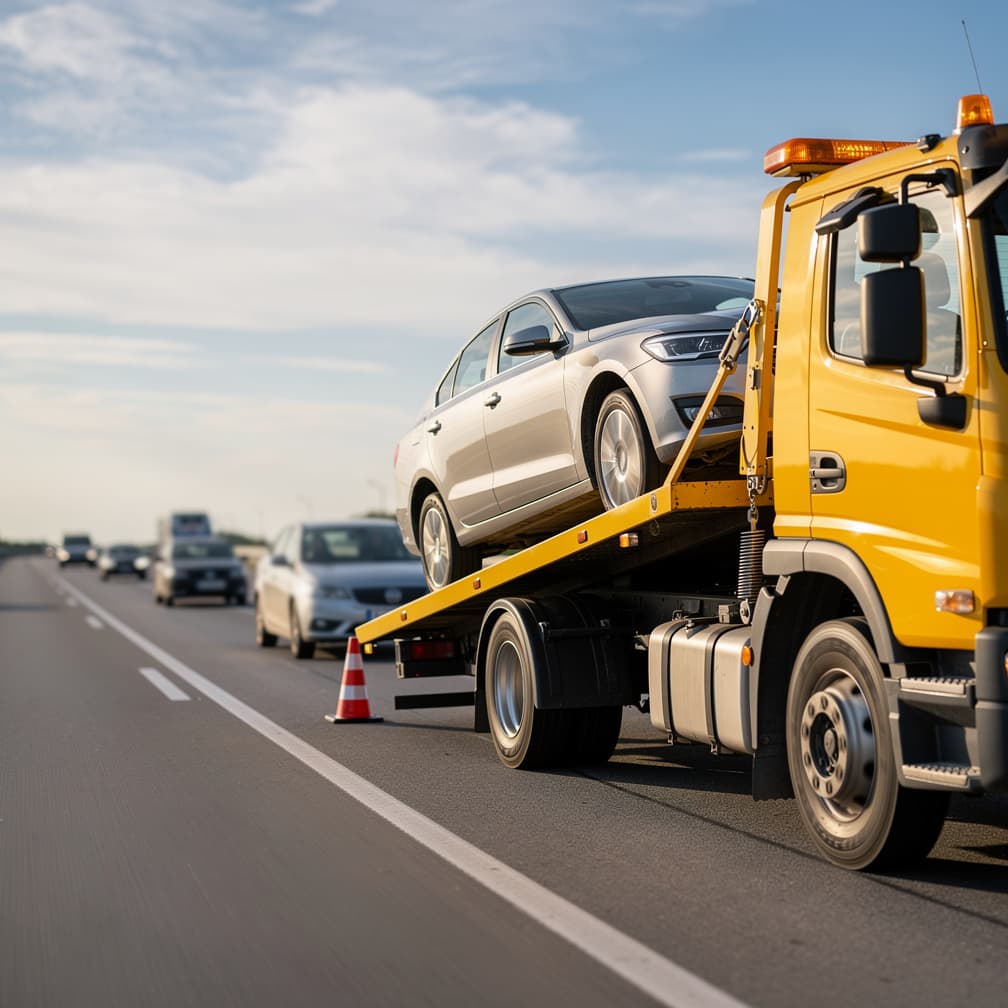
A disabled SUV comes off Glenstone in evening traffic, or a customer car shifts while you are loading after a retail parking lot call, and the dispute starts before the hook is even clear. That is where on-hook towing insurance in Springfield becomes a practical buying issue, not a paperwork exercise. Local operators often move between store lots, medical campuses, apartment properties, and roadside recoveries in the same day, which changes how often you take temporary custody of vehicles you do not own. Greene County has 8,600 business establishments, so there are a lot of commercial parking areas, vendor relationships, and property managers that can generate private-property tows or service calls. That volume matters because more handoffs usually mean more chances for a scratch, bumper crack, wheel damage claim, or argument over when damage happened. If your work includes retail lots, hospital-adjacent pickups, or apartment enforcement, review whether your limit fits the kinds of vehicles you actually lift, carry, and unload here, then request a quote built around those assignments.
On-Hook Towing Insurance Risk Factors in Springfield
Springfield's top risk factors include Tornado damage, Hail damage, Severe storm damage, and Wind damage.
Missouri has a high climate risk rating. Top hazards: Tornado (Very High), Severe Storm (Very High), Flooding (High), Earthquake (Moderate). The state's expected annual loss from natural hazards is $2.2B, which influences on-hook towing insurance premiums and may affect coverage availability in high-risk areas.
What On-Hook Towing Insurance Covers
The practical review starts with how a claim is likely to be argued after a customer vehicle is damaged during a tow. The real questions are usually concrete: whether the vehicle was already in your care, whether the handoff was documented, whether the loading method matched the vehicle type, and whether the loss happened during a routine roadside tow, a recovery, a dealer transfer, or an impound release.
For many Missouri towing operations, the most important difference is how often one truck handles several kinds of work in the same week. A flatbed may move disabled passenger cars one day, and a wheel-lift may clear a private lot the next. The same account may also respond to weather-driven calls where road conditions complicate loading and unloading. If your operation crosses those lines, ask for wording and limits that are reviewed against each service type, because a claim involving a low-clearance vehicle, modified suspension, or heavier commercial unit can be handled very differently from a standard passenger auto tow.
You should also review where disputes tend to start. In practice, that often means pre-tow photos, dispatch notes, signed releases, lot condition records, and procedures for documenting pre-existing damage before hookup. Missouri weather and road conditions can turn a routine tow into a contested file quickly, especially if visibility, debris, flooding, or storm cleanup affects the scene. If you also store vehicles, ask the quote review to address how storage or garagekeepers exposures interact with your towing operation so each part of the business is evaluated clearly.
Missouri's insurance regulator is the Missouri Department of Commerce and Insurance. That agency handles consumer complaints, licenses producers, and publishes guidance on policy forms used in the state. If you are comparing forms, endorsements, or complaint handling expectations, keep your policy documents organized and review state-facing notices before binding coverage.
Coverage Included

Collision on Hook
Covers damage to towed vehicles from collisions during transport.

Comprehensive on Hook
Covers theft, fire, and weather damage to vehicles being towed.
Loading & Unloading
Covers damage during the process of loading and unloading vehicles.
Winching Coverage
Covers damage to vehicles during winching and recovery operations.

Multiple Vehicle
Covers all vehicles on multi-car carriers and rollback flatbeds.
Industries & Insurance Needs in Springfield
Greene County business mix changes the kind of towing work many operators see. Retail trade accounts for 13.2% of county establishments, health care and social assistance 11.9%, and other services 10.8%, so a local towing book often includes parking lot calls, customer vehicle pickups near care facilities, and service-related stops where the owner is not standing beside the truck when loading starts. That matters for on-hook coverage because damage disputes are often about custody, condition at pickup, and what happened during loading or transport, not just about a highway collision. If a meaningful share of your calls comes from shopping centers, clinics, repair-adjacent businesses, or mixed commercial properties, ask for terms that match frequent short-haul moves and high-turnover call volume. It is also worth tightening your intake process with timestamped photos and dispatch notes before you compare limits.
What Makes Springfield Different
Parking-lot and property-management towing is the main thing that changes the calculus here. In a market with many commercial sites and service destinations, your exposure is not only the difficult recovery on the shoulder. It is the routine tow where a customer later says the damage happened while the vehicle was attached or being unloaded. Springfield median household income is $45,984, so even moderate vehicle damage can become a serious financial dispute for the owner and a harder collection issue for your business if your limit is too low or your documentation is thin. That pushes the buying decision toward claim handling practicality: clear condition photos, dispatch records, and limits that make sense for the vehicles you actually touch. If your calls skew toward private-property removals, apartment complexes, retail centers, or medical-area pickups, review whether your current on-hook limit still fits the mix instead of renewing on truck count alone.
Our Recommendation for Springfield
Start with your actual call mix from the last few months. Separate roadside recoveries from private-property tows, apartment enforcement, dealer or shop moves, and parking lot pickups, because the damage allegations and vehicle values can look different across those jobs. Then review your highest-value routine tow, not just your average one. If you occasionally handle newer SUVs, work vans, or vehicles with low-clearance body panels, ask how your proposed limit and deductible would respond during loading, transport, and unloading. You should also bring your dispatch workflow into the quote conversation. A carrier or agent can evaluate the exposure more accurately if you explain whether drivers take walkaround photos, note pre-existing damage, and document keys, wheel position, and release location. If your paperwork is inconsistent, fix that before renewal and compare quotes on claim response, exclusions, and limit adequacy, not just price.
Get On-Hook Towing Insurance in Springfield
Enter your ZIP code to compare on-hook towing insurance rates from carriers in Springfield, MO.
Business insurance starting at $25/mo
FAQ
Frequently Asked Questions
Springfield towing companies often handle routine private-property calls where damage disputes start during loading or unloading. Greene County has 8,600 business establishments, so there are many commercial sites generating those assignments. Review limits against the vehicles you actually move, not just your truck count.
Springfield operators often pick up vehicles near clinics, service businesses, and mixed commercial properties where the owner may not be present at hookup. That makes condition documentation more important. Ask for coverage terms that fit frequent short-haul custody changes and quick turnaround calls.
Greene County business mix matters because retail trade is 13.2%, health care and social assistance 11.9%, and other services 10.8% of establishments. That mix can produce more parking-lot and service-location tows, so your quote should reflect frequent customer-vehicle handoffs.
Springfield has a median household income of $45,984, so even a moderate repair bill can be a major expense for a vehicle owner. That can make on-hook claims more contested. Strong photos, dispatch notes, and realistic limits help you defend the file.
In Missouri, landlords, property managers, municipal vendors, lenders, and commercial clients commonly ask for proof before they release yard access, approve contract work, or finance equipment tied to towing operations. Have certificates and policy details ready before the request becomes urgent.
Missouri towing companies that also handle impounds should ask for a separate operational review because private property work, releases, storage handoffs, and after-hours dispatch can change how a claim is documented and defended after a customer vehicle is damaged.
Missouri buyers should compare quotes using the same truck schedule, service descriptions, deductibles, and limits. That makes it easier to see whether one proposal is truly competitive or simply narrower where your dispatches create the most claim pressure.
Missouri towing businesses usually move faster through underwriting when they provide a current unit list, driver roster, dispatch logs, tow tickets, sample contracts, and photo procedures. Those records help the underwriter understand how your operation controls disputed damage claims.
Sources
- 1.U.S. Census Bureau, County Business Patterns, Greene County(Greene County has 8,600 business establishments, so there are a lot of commercial parking areas, vendor relationships, and property managers that can generate private-property tows or service calls.; Retail trade accounts for 13.2% of county establishments, health care and social assistance 11.9%, and other services 10.8%, so a local towing book often includes parking lot calls, customer vehicle pickups near care facilities, and service-related stops where the owner is not standing beside the truck when loading starts.)
- 2.U.S. Census Bureau, ACS 5-Year Estimates, table B19013(Springfield median household income is $45,984, so even moderate vehicle damage can become a serious financial dispute for the owner and a harder collection issue for your business if your limit is too low or your documentation is thin.)
Updated July 5, 2026