








































Updated July 16, 2026

Commercial Truck Insurance in St. Louis
A box truck clips a curb in Midtown after a tight delivery turn, then sits out the route while you sort towing, cargo condition, and a customer deadline. Short urban runs, repeated stops, and loading schedules leave little room for a disabled unit. If you are shopping for a policy, the key difference is not a new state rule. It is how often your truck works around dense delivery points, service entrances, and time-sensitive handoffs in a compact urban footprint. The county containing the city has 9,176 business establishments, which translates to more delivery stops per shift and a higher chance of minor backing or curb incidents than long highway stretches typically produce. That changes what you should review on a quote. You might consider hired and non-owned auto if dispatch relies on borrowed vehicles, physical damage deductibles your cash flow can absorb, cargo terms that match what you actually haul, and downtime planning if one truck going down disrupts the whole week.
Commercial Truck Insurance Risk Factors in St. Louis
Frequent stop-and-go work is the local exposure to focus on here. A truck that spends the day backing into alleys, crossing tight loading areas, and restarting between short drops faces a different loss pattern than one running mostly uninterrupted highway miles. The practical issue is not only collision severity. It is mirrors, liftgates, cargo securement during repeated handling, and how fast a minor incident turns into missed appointments. Missouri's broader weather hazards still matter as background, but the city-specific buying decision is operational: how your unit is parked overnight, whether drivers use fixed routes or ad hoc dispatch, and how often they enter customer premises with limited turning room. On your application, be precise about radius, garaging, commodities, and who loads or unloads. If your workday includes multiple handoffs, ask to review **physical damage, cargo, and roadside assistance together** so one claim does not create a second uninsured expense.
Missouri has a high climate risk rating. Top hazards: Tornado (Very High), Severe Storm (Very High), Flooding (High), Earthquake (Moderate). The state's expected annual loss from natural hazards is $2.2B, which influences commercial truck insurance premiums and may affect coverage availability in high-risk areas.
What Commercial Truck Insurance Covers
Your Missouri policy is built around how your trucks earn revenue. The core pieces in this market include liability for injury and damage arising from trucking operations, physical damage for owned units, cargo insurance for freight in transit, trailer interchange for non-owned trailers under agreement, bobtail coverage for certain deadhead situations, and non-trucking liability for use outside dispatch. Missouri does not add a separate state-specific commercial truck mandate here, but businesses still need to meet federal freight liability expectations and any shipper or broker requirements that exceed them. The state's commercial auto minimums sit at the standard split limits, yet those limits are far below what many trucking contracts ask for, so the policy structure usually matters more than the minimum alone. In practice, exclusions and endorsements vary by carrier and by the cargo, route, and trailer arrangements you use. A refrigerated truck hauling perishable freight, a flatbed with frequent trailer swaps, or a local delivery van with mixed-use exposure may each need different endorsements to avoid gaps. Missouri's storm and tornado history also makes physical damage and cargo terms especially important when a loss is tied to weather, debris, or road closures.
Coverage Included

Motor Carrier Liability
Can help cover injuries and property damage your truck causes to others, a coverage federal regulators require most for-hire carriers to maintain.
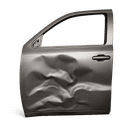
Physical Damage
Can help pay to repair or replace your own truck after an accident, fire, theft, or vandalism.
Cargo Coverage
May pay for damage to or theft of the freight you are hauling while it is in your care.
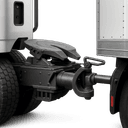
Trailer Interchange
Can help cover damage to trailers you haul under an interchange agreement but do not own.

Bobtail Coverage
May provide liability protection when you drive your tractor without a trailer attached, such as after dropping off a load.

Non-Trucking Liability
Can help cover accidents that happen when you use your truck for personal errands rather than dispatched work.
Commercial Truck Insurance Cost in St. Louis
Average Cost in Missouri
$380 - $1,125
per month
Businesses in Missouri typically see commercial truck insurance premiums of $380 - $1,125 per month, which tends to run 1% below the national range of $400 - $1,125 per month.
- Radius of operation
- Commodities hauled and cargo value
- Number and value of power units
- Driver motor vehicle records and CDL experience
- DOT safety record, inspections, and FMCSA scores
- Liability limits and physical damage deductibles
Contact CPK Insurance for a personalized quote.
Prices shown are general estimates, not guaranteed rates or quotes. Your actual premium will depend on the insurer, coverage selected, business details, location, claims history, and other underwriting factors. Learn about our pricing methodology.
The Missouri pricing picture is close to the national market, but it still moves with local risk. Pricing for this product depends on location, claims history, coverage limits and deductibles, industry or risk profile, and policy endorsements. Missouri's premium index is 98, which suggests pricing is near the national average rather than sharply above it. Missouri's high tornado risk, very high severe storm rating, and high flooding risk can push premiums upward for fleets that park outside, run storm-prone corridors, or carry cargo that is sensitive to weather delays. The state's auto loss environment also matters, with an average claim cost of $17,507, 155,000 crashes in 2023, and a fatal crash rate of 1.61 compared with the national average of 1.33. Because that fatal crash rate runs higher than the national baseline, carriers may price liability more aggressively for operations with weaker safety profiles. Those numbers help explain why truck liability insurance can price differently by route, vehicle class, and driver record. A company running mostly local Missouri routes may see a different quote than a long-haul carrier with interstate exposure, because mileage, terminal location, cargo type, and trailer interchange use all affect the final number. With a competitive market of active insurers, quote variation is normal, so shopping the market across several carriers is part of the pricing process.
Industries & Insurance Needs in St. Louis
Service-heavy demand is the business difference worth noticing. In the county containing the city, health care and social assistance account for 24.1% of establishments, accommodation and food services 11.2%, and professional, scientific, and technical services 11.1%. That mix points to more scheduled deliveries, facility support runs, food and supply movement, and contractor trips to client sites, so underwriters will care about stop frequency, cargo type, and whether your vehicles serve commercial accounts with strict delivery windows. The county also has 9,176 business establishments, which means a lot of local trucking work can involve recurring vendor relationships where proof of coverage is reviewed before work starts. If your operation serves clinics, restaurants, offices, or building service contractors, request certificates handling that is fast and accurate, and make sure listed drivers, vehicle use, and cargo descriptions match the contracts you are trying to win.
What Makes St. Louis Different
Many local accounts involve short routes, repeated backing, curbside unloading, and customer property exposure several times in one shift. In a market tied to health care, food service, and professional services, one truck may move supplies in the morning, equipment in the afternoon, and returns before the day ends. That kind of schedule can make small claims more likely and paperwork mistakes more expensive. This is especially true if certificates, additional insured requests, or vehicle changes lag behind operations. You might build the policy around how the truck is used between stops rather than around a generic long-haul template. It can help to walk through symbol designations, driver schedules, cargo descriptions, and deductibles in the context of your actual dispatch pattern. If a single unit carries too much of the week's revenue, you might ask what claim scenarios would leave you paying out of pocket while the truck is repaired.
Our Recommendation for St. Louis
When you sit down with an agent, you can start by describing how your trucks actually move during the week. If your units spend most of the time on short commercial runs, it can help to mention how many stops a driver typically makes. You might also share where units are parked, who loads the cargo, and whether deliveries involve customer docks, alleys, or curbside handoff. Those specifics let the agent structure physical damage, cargo, and liability terms around your real exposure rather than around a broad class code. From there, you can check that your insurance paperwork lines up with the accounts you want to keep. With 9,176 establishments in the county containing the city, many local clients and property managers expect current certificates before access or contract renewal, so delays can cost work even when a loss never happens. Then look at deductibles in terms of what your cash reserves can handle. A lower premium can become costly if one mirror strike, theft loss, or disabled truck leaves you choosing between repairs and payroll. It may help to bring your current declarations page, driver list, vehicle schedule, and two or three recent job types to the quote review.
Get Commercial Truck Insurance in St. Louis
Enter your ZIP code to compare commercial truck insurance rates from carriers in St. Louis, MO.
Business insurance starting at $25/mo
FAQ
Frequently Asked Questions
You might describe stop frequency, parking, delivery radius, and whether drivers back into alleys or customer docks. That local operating detail often matters more than a generic vehicle class, since repeated short stops can change how liability, cargo, and physical damage should be reviewed.
Local accounts often involve recurring vendor relationships. The county containing the city has 9,176 business establishments, which means many operators may need accurate certificates and vehicle schedules ready before deliveries, site access, or contract renewals move forward.
County sectors include health care and social assistance at 24.1%, accommodation and food services at 11.2%, and professional, scientific, and technical services at 11.1%, which points to scheduled deliveries and tight service windows that put your trucks in more stop-and-go traffic and tighter dock deadlines than a typical long-haul operation.
City work can make smaller, more frequent losses a practical concern because trucks often face repeated parking, backing, and loading exposures. You might choose a deductible your business can actually absorb without delaying repairs, missed routes, or customer commitments.
Policyholders with unresolved insurance questions can look to the Missouri Department of Commerce and Insurance. For buying decisions, you can treat that as a reference point, then compare quotes based on routes, garaging, cargo, and certificate needs before binding coverage.
In Missouri, the policy can be built around motor carrier liability, physical damage, cargo coverage, trailer interchange, bobtail coverage, and non-trucking liability, depending on how your truck is used and what contracts you have.
Missouri commercial auto minimums follow the standard split limits, but trucking liability often needs to follow federal freight rules and any shipper or broker requirements that are higher.
The final price depends on limits, deductibles, claims history, location, industry risk, and endorsements. Missouri storm exposure can also affect physical damage and cargo pricing.
Sources
- 1.U.S. Census Bureau, County Business Patterns, St. Louis city(The county containing the city has 9,176 business establishments, so many trucking risks here start with frequent vendor, supply, foodservice, and facility deliveries rather than long uninterrupted highway miles.; In the county containing the city, health care and social assistance account for 24.1% of establishments, accommodation and food services 11.2%, and professional, scientific, and technical services 11.1%.)
- 2.Missouri Department of Commerce and Insurance(St. Louis policyholders with unresolved insurance questions can look to the Missouri Department of Commerce and Insurance.)
Updated July 16, 2026





