Updated July 5, 2026

Dealer Open Lot Insurance in St. Louis
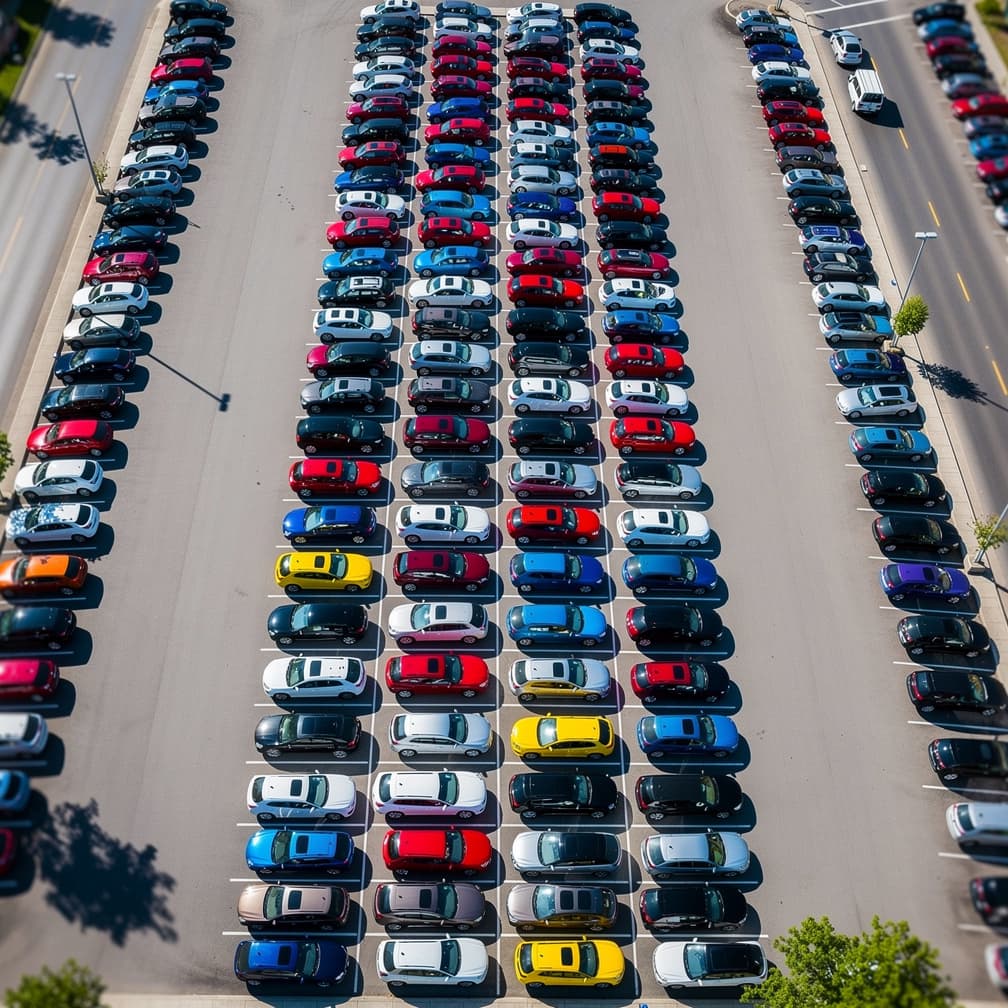
The decision often lands here when you sign a lot lease near a busier commercial corridor, add an overflow row behind the main storefront, or bring in a fresh run of trade-ins before a seasonal sales push. At that point, dealer open lot insurance in St. Louis becomes less about a generic inventory count and more about where vehicles sit, how often they are moved, and who needs access after hours. Local dealers often work with tighter footprints, mixed-use surroundings, and storage arrangements that can change quickly when inventory turns faster than expected. That matters because a carrier will usually want a clear picture of every place units are parked, whether that is the primary lot, a fenced annex, or a temporary holding area waiting on recon. If your operation uses more than one address, the practical step is to map each location, note lighting and fencing, and ask your agent to review whether your reporting matches how inventory is actually stored today, not how the business looked last quarter.
Dealer Open Lot Insurance Risk Factors in St. Louis
Local lot management is the main physical risk issue here. In a denser urban setting, vehicles may be parked on smaller parcels, near alleys, beside neighboring businesses, or at secondary storage spots that were added to solve space pressure rather than built as long-term inventory yards. That changes how underwriters look at exposure quality. A lot with controlled entry, consistent key handling, working cameras, and a documented plan for moving high-value units overnight presents differently from a lot where inventory shifts between addresses without a formal update to the policy. Missouri weather risk is already covered on the state page, so the city-specific review is operational: where each vehicle sleeps, how visible the lot is, and whether overflow storage creates gaps between your actual exposure and the locations shown on the application. Before you bind or renew, walk every storage area and verify the schedule, security features, and maximum unit count at each site.
Missouri has a high climate risk rating. Top hazards: Tornado (Very High), Severe Storm (Very High), Flooding (High), Earthquake (Moderate). The state's expected annual loss from natural hazards is $2.2B, which influences dealer open lot insurance premiums and may affect coverage availability in high-risk areas.
What Dealer Open Lot Insurance Covers
In Missouri, the useful coverage conversation starts with where your inventory sits during a normal week. Some dealers keep nearly everything on one fenced lot. Others split vehicles between the sales line, a back row, a recon area, a body shop partner, or overflow space used when trades stack up. Those operating details matter because a claim often turns on location, custody, and whether the vehicle was in ordinary dealership handling when the loss happened.
For a Missouri lot, weather-driven damage deserves close review because one storm can affect multiple units at once. Theft and vandalism also need practical attention, especially if high-demand vehicles, catalytic converter targets, or easy-to-move units sit near public access points. Fire exposure is not just a building issue either. You may need to think through spacing between vehicles, nearby repair activity, and whether any units are stored close to other combustible materials.
Movement rules are another place where Missouri dealers should slow down and read the form. A vehicle may leave the main lot for fueling, detailing, emissions-related service, photography, a customer demonstration, or temporary storage. Ask how the policy treats those routine movements, what qualifies as covered inventory at each location, and whether any distance or premises conditions apply. The Missouri Department of Commerce and Insurance publishes consumer complaint data and form filings that can help you compare how carriers handle endorsements and claims. As you evaluate options, request specimen wording for off-premises storage, test drive handling, and any exclusions tied to unattended vehicles or lot security.
Coverage Included

Weather Damage
Covers hail, wind, flood, and storm damage to lot inventory.

Theft Protection
Covers vehicles stolen from your lot.

Fire Damage
Covers fire and explosion damage to inventory vehicles.

Vandalism
Covers intentional damage to vehicles on your lot.

Test Drive Coverage
Covers vehicles during customer and employee test drives.

Transit Coverage
Covers vehicles being moved between lot locations.
Industries & Insurance Needs in St. Louis
County business density changes the insurance conversation because it affects how your lot interacts with neighboring operations, customers, and vendors. The county containing St. Louis has 9,176 business establishments, so dealers often operate near other active commercial users rather than on isolated parcels. That can increase the importance of access control, lot layout, and clear separation between customer parking, service traffic, and sale inventory. The same county's leading sectors are health care and social assistance at 24.1%, accommodation and food services at 11.2%, and professional, scientific, and technical services at 11.1%, so many nearby properties keep steady daytime traffic and delivery activity moving around shared corridors. For a dealer, that means your insurance review should not stop at vehicle count. Ask how the carrier evaluates fencing, lighting, gate procedures, and any off-site storage that sits in a busier commercial pattern, because those details can matter more than a simple address on the declarations page.
What Makes St. Louis Different
Space pressure is what changes the calculus here. In this market, the issue is often not whether you have inventory, but whether all of it still fits the way your policy assumes it fits. A dealer may start with one visible sales lot, then add a back parcel, a nearby fenced area, or a temporary overflow location as trade-ins stack up and recon timing shifts. That creates a practical underwriting problem: the exposure can change faster than the paperwork. If vehicles are spread across multiple addresses, stored behind another business, or rotated between lots during the week, your policy structure needs to match that operating reality. The county's dense commercial base reinforces that point because inventory is often stored alongside other active uses, not on a standalone campus. The useful question is simple: if a loss happened tonight, would the carrier's file show the same locations, security controls, and maximum values that your staff would point to tomorrow morning? If not, fix that before renewal or before the next inventory push.
Our Recommendation for St. Louis
Start with a location schedule, not a vehicle list alone. For a local dealer, the most useful submission usually shows each storage address, who controls access, what fencing and lighting are in place, where keys are kept, and how often units move between sites. If you use an overflow lot, ask whether it should be specifically scheduled and whether the carrier wants a separate maximum value for that address. If your inventory mix changes quickly, review peak values, not just average on-hand units, so the limit is designed around your busiest periods. It is also worth asking how the policy treats vehicles in transit between your lots, waiting for recon, or parked temporarily off the main sales line. If any address has weaker controls than the primary lot, say so early and request options to improve the risk profile before binding. That gives you a cleaner quote comparison and reduces the chance of finding a location mismatch after a loss.
Get Dealer Open Lot Insurance in St. Louis
Enter your ZIP code to compare dealer open lot insurance rates from carriers in St. Louis, MO.
Business insurance starting at $25/mo
FAQ
Frequently Asked Questions
St. Louis dealers should assume a second storage lot needs to be disclosed if vehicles for sale are regularly kept there. A policy review works better when every active address, security feature, and peak inventory value is documented before binding or renewal.
St. Louis city dealers often face closer neighboring businesses and more shared traffic patterns. With 9,176 business establishments in the county containing St. Louis, underwriters may look closely at access control, fencing, lighting, and how inventory is separated from customer or vendor traffic.
St. Louis dealers should prepare a current location schedule, estimated peak inventory values, photos of each lot, and notes on gates, cameras, lighting, and key control. That gives the carrier a truer picture than a unit count by itself.
St. Louis county business mix matters because nearby activity affects how your lot functions day to day. Health care and social assistance accounts for 24.1% of establishments, accommodation and food services 11.2%, and professional, scientific, and technical services 11.1%, so shared corridors can stay active.
St. Louis dealers with policy or licensing questions can check the Missouri Department of Commerce and Insurance. Use that step for regulatory issues, but handle coverage design by reviewing your actual lot layout, storage addresses, and inventory practices before you buy.
You should list every place inventory is stored or regularly moved, because location details often affect how a claim is reviewed. A quote built only on the main lot can miss overflow or recon exposure that matters after a loss.
Weather-driven inventory losses can hit several units in one event, so limit selection, deductible choice, and concentration of vehicles by location deserve a closer review than a basic one-lot quote.
Dealer insurance is regulated by the Missouri Department of Commerce and Insurance, which is the state insurance regulator. That is a good reason to keep quote comparisons organized and policy wording requests documented.
Sources
- 1.U.S. Census Bureau, County Business Patterns, St. Louis city(The county containing St. Louis has 9,176 business establishments.; The county's leading sectors are health care and social assistance at 24.1%, accommodation and food services at 11.2%, and professional, scientific, and technical services at 11.1%.)
- 2.Missouri Department of Commerce and Insurance(The Missouri insurance regulator is the Missouri Department of Commerce and Insurance.)
Updated July 5, 2026