








































Updated July 16, 2026

Inland Marine Insurance in St. Louis
In a tighter local market, the difference is usually not a dramatic new hazard. It is how quickly people ask for proof, how narrowly some carriers look at mobile property classes, and how much your submission has to show about where equipment, materials, or customer property goes during a normal week. A cleaner schedule of equipment, transit patterns, and job-site custody details often matters more than broad marketing language. Local buyers often work through repeat relationships, whether that is a general contractor asking for evidence before a subcontract starts, a building manager wanting certificates on file, or a client handing over property that leaves the premises for service, installation, or temporary storage. In the county containing the city, there are 9,176 business establishments. That many firms in one county means a property manager with ten bidders can afford to skip anyone who cannot produce a certificate on the spot.
Inland Marine Insurance Risk Factors in St. Louis
St. Louis's top risk factors include Tornado damage, Hail damage, Severe storm damage, and Wind damage.
Missouri has a high climate risk rating. Top hazards: Tornado (Very High), Severe Storm (Very High), Flooding (High), Earthquake (Moderate). The state's expected annual loss from natural hazards is $2.2B, which influences inland marine insurance premiums and may affect coverage availability in high-risk areas.
What Inland Marine Insurance Covers
In Missouri, this coverage can help protect covered business property away from a fixed premises, which is especially useful for work that moves between job sites, customer locations, and temporary storage. A typical policy can help cover tools and equipment, goods in transit, contractor equipment, installation floaters, and builders risk. That means it may respond when covered property is damaged, stolen, or vandalized while it is being transported over land, stored offsite, or used at an active project location, depending on the policy terms. Missouri does not impose a special statewide mandate for inland marine itself, but coverage requirements may vary by industry and business size, and the Missouri Department of Commerce and Insurance regulates the market. Because severe storms and flooding are common here, buyers should pay close attention to where property is kept between jobs, whether temporary storage is covered, and whether endorsements are needed for specific items. Standard commercial property insurance can help protect items at one fixed location, so this coverage is often the piece that fills the mobility gap for Missouri businesses.
Coverage Included
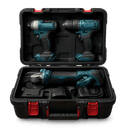
Tools & Equipment
Can help repair or replace hand tools, power tools, and gear that are stolen or damaged on the job or in transit.

Goods in Transit
May cover products, materials, and merchandise while they are being shipped or hauled between locations in your care.
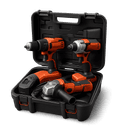
Contractors Equipment
Typically covers heavy machinery like excavators, loaders, and generators against theft or damage at job sites and between them.

Installation Floater
Can help cover materials and fixtures from the moment you buy them until they are installed and accepted at a project.

Builders Risk
May cover a structure under construction, along with materials on site, against damage from fire, wind, theft, and vandalism.
Inland Marine Insurance Cost in St. Louis
Average Cost in Missouri
$20 - $110
per month
Businesses in Missouri typically see inland marine insurance premiums of $20 - $110 per month, which tends to run 8% above the national range of $20 - $100 per month.
- Total insured value of the scheduled property
- Type and age of the equipment
- Where it is stored and how far it travels
- Jobsite security and theft prevention
- Per-item limits and deductibles
- Prior theft and in-transit losses
Contact CPK Insurance for a personalized quote.
Prices shown are general estimates, not guaranteed rates or quotes. Your actual premium will depend on the insurer, coverage selected, business details, location, claims history, and other underwriting factors. Learn about our pricing methodology.
Your premium depends on what you are insuring, how it moves, and where it is stored. Coverage limits and deductibles are major drivers, along with claims history, location, industry or risk profile, and policy endorsements. In Missouri, location matters because the state has significant tornado, severe storm, and flooding risk, all of which can influence how a carrier prices tools, materials, or equipment that are stored on job sites or moved between counties. Crime also plays a role. Missouri's property crime rate of 2,800 per 100,000 residents exceeds the national average of 2,200, which translates to a higher baseline theft risk for tools and mobile property left at job sites or in vehicles. That theft exposure can affect pricing. With a competitive market of active insurers, you have room to compare options, but carriers still price according to your business type, the value of the items insured, and how often those items are in transit or offsite. If your operation involves installation work, contractor equipment, or temporary storage, those details can change your quote more than the state average alone.
Industries & Insurance Needs in St. Louis
The local business mix changes which inland marine forms tend to matter most. In the county containing the city, health care and social assistance accounts for 24.1% of establishments, accommodation and food services 11.2%, and professional, scientific, and technical services 11.1%. That mix points to a lot of mobile diagnostic devices, leased or client-owned equipment, computers, specialized instruments, and property that moves between offices, facilities, events, and temporary work locations. If that sounds like your operation, do not ask only for a generic tools policy. Ask whether the quote is built around contractors equipment, an installation floater, equipment floaters for scheduled items, or coverage for property of others in your care, custody, or control while off premises. The right form depends on who owns the property, where it travels, and whether losses are more likely in transit, at a temporary site, or while items are stored between jobs.
What Makes St. Louis Different
In a market where repeat referrals, property managers, institutional buyers, and established subcontractor networks matter, inland marine buying is less about finding a broad abstract policy and more about showing that your paperwork matches your operations. A vague application that says you move tools around town is usually less useful than one that separates owned equipment, borrowed items, installation materials, and customer property, then shows where each category is kept, transported, and used. That matters even more in a place with many smaller and midsize buyers who may ask for certificates, schedules, or evidence of a floater before work starts. Treat the quote process as an operations review that forces you to document exactly what moves, where it goes, and who is responsible at each step. If your property moves between a shop, van, temporary site, and client location, map that chain clearly so exclusions, valuation method, and transit terms can be reviewed before a loss exposes a gap.
Our Recommendation for St. Louis
Start with an inventory that matches how your property actually moves. Sort your list the way a claims adjuster would: hand tools separate from higher-value scheduled equipment, installation materials separate from finished property, and your own items separate from customer property you pick up, repair, calibrate, or deliver. Then ask how the form handles transit, temporary storage, unattended vehicles, rented equipment, and newly acquired items. If you serve offices, clinics, restaurants, or professional firms, confirm whether laptops, instruments, or specialized devices are insured on a blanket basis or need to be scheduled individually. Ask how claims would be valued, because replacement cost and actual cash value can change the recovery on mobile equipment in a meaningful way. When you compare quotes, hold limits, deductibles, and valuation method constant across every option. That makes it easier to see whether a lower premium comes from real fit or from narrower terms you may not notice until property is damaged, stolen, or lost in transit.
Get Inland Marine Insurance in St. Louis
Enter your ZIP code to compare inland marine insurance rates from carriers in St. Louis, MO.
Business insurance starting at $25/mo
FAQ
Frequently Asked Questions
St. Louis buyers usually start with property that leaves the main premises, such as tools, installation materials, laptops, instruments, and customer items in transit or at temporary sites. The right form depends on ownership, movement, and whether property is stored between jobs.
St. Louis contractors often need both approaches reviewed. Blanket coverage can fit smaller mobile items, while scheduled coverage may make more sense for higher-value machines, specialized tools, or equipment where valuation and serial-number tracking matter at claim time.
The county figure of 9,176 establishments means a property manager with ten bidders can afford to skip anyone who cannot produce a certificate on the spot. Review forms, sublimits, and valuation terms before you bind.
The county business mix leans toward health care and professional services. If your firm falls in either group, mobile devices, diagnostic tools, and client property are common exposures worth reviewing under the correct floater form.
Premium dollars compete with every other overhead line, so compare quotes using the same limits and valuation method first, then adjust deductibles to see the real tradeoff.
In Missouri, this coverage is meant for property that travels away from a fixed location, including tools, equipment, and materials used at job sites, in transit, or in temporary storage, subject to the policy terms.
Yes. Missouri's severe storm and flooding risk makes location, storage practices, and transit exposure important when carriers price the policy.
Contractors, installers, and businesses that move materials or equipment between job sites in Missouri often review those coverages when their property is not protected by a fixed-location policy.
Sources
- 1.U.S. Census Bureau, County Business Patterns, St. Louis city(In the county containing the city, there are 9,176 business establishments, so proof expectations can show up early in the sales process.; In the county containing the city, health care and social assistance accounts for 24.1% of establishments, accommodation and food services 11.2%, and professional, scientific, and technical services 11.1%.)
- 2.U.S. Census Bureau, ACS 5-Year Estimates, table B19013(St. Louis has a median household income of $55,279, so many owners want tighter control over premiums and deductibles.)
Updated July 16, 2026





