
Updated July 16, 2026

Commercial Crime Insurance in Billings
Yellowstone County supports 5,935 business establishments, which means local buyers, landlords, and lenders often expect tighter internal controls before they trust you with payments or account access. That is the practical backdrop for commercial crime insurance in Billings, where a loss tied to employee dishonesty, forged checks, or fraudulent transfers can quietly drain accounts for months before anyone notices the gap.
That pressure is visible from front-counter receipts and mobile deposits to AP approvals and online banking credentials shared across a small office. If your team collects funds, reconciles accounts, cuts checks, or can change payment instructions, your quote should reflect the specific authority each role carries. The goal is to surface where one person still controls too much of the process.
About Commercial Crime Insurance in Billings, MT
A commercial crime policy may help cover financial loss from employee theft, embezzlement, forgery and alteration, computer fraud, funds transfer fraud, and money and securities losses. In practical terms, that means it can be structured around how your business actually handles cash, checks, wire instructions, and digital payments across locations like Helena, Missoula, Billings, Bozeman, and Great Falls. The state does not impose a single universal commercial crime mandate, so requirements usually vary by industry, contract, lender, or business size rather than by a blanket state rule.
That makes policy wording important, especially if you need employee theft protection for a small office, forgery and alteration for paper checks, or funds transfer fraud coverage for ACH or wire activity. Coverage can also be shaped by endorsements, and some policies may include social engineering fraud or client property held in your care, but those features vary by carrier and form. General liability does not replace this protection, and your policy should be reviewed for who is insured, which locations are listed, and whether all employees and operations are included. Because Montana businesses are often small and spread across rural and urban locations, the details of authority limits, internal controls, and banking procedures matter when selecting your form.
Coverage Included

Employee Theft
Can help reimburse your business when an employee steals money, inventory, equipment, or other company property.

Forgery & Alteration
May cover losses when someone forges or alters your business checks, drafts, or other financial instruments.

Computer Fraud
Can help cover money or property stolen when a criminal uses a computer to fraudulently transfer it from your business.

Funds Transfer Fraud
May reimburse funds lost when a fraudster tricks your bank into transferring money out of your account with fake instructions.
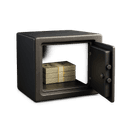
Money & Securities
Typically covers theft, disappearance, or destruction of cash and securities inside your premises or while being transported.
Commercial Crime Insurance Cost in Billings
Average Cost in Montana
$25 - $80
per month
Businesses in Montana typically see commercial crime insurance premiums of $25 - $80 per month, which tends to run 12% below the national range of $25 - $95 per month.
- Employees who handle money or inventory
- Internal controls and separation of duties
- Funds and securities on hand
- Limit and deductible on each insuring agreement
- Prior employee theft, forgery, or fraud losses
Contact CPK Insurance for a personalized quote.
Prices shown are general estimates, not guaranteed rates or quotes. Your actual premium will depend on the insurer, coverage selected, business details, location, claims history, and other underwriting factors. Learn about our pricing methodology.
The average premium range in the state is $25 to $80 per month, while the broader product range is $25 to $95 per month, so your final quote may sit above or below either benchmark depending on exposure. Montana's premium index suggests pricing is close to the national average rather than sharply higher or lower, which means you can expect reasonable but not deeply discounted rates.
Several state-specific conditions can move pricing. A competitive carrier market means you can compare terms across multiple insurers, and that competition can work in your favor. But the price still rises or falls based on coverage limits and deductibles, claims history, location, industry or risk profile, and policy endorsements. A healthcare office in Helena with accounts payable controls, a retail business in Billings with daily deposits, or an agriculture operation near Bozeman that uses electronic payments may receive different quotes because their exposures differ. The state's business mix also matters. Healthcare and social assistance is the largest employment sector, followed by accommodation and food services, retail trade, agriculture, and construction. Those sectors often have different payment volumes, employee access levels, and bookkeeping workflows, which can change your quote results.
What Makes Billings Different
Yellowstone County's establishment mix leans toward construction at 13.2%, retail trade at 11.6%, and health care and social assistance at 10.3%. Construction firms often juggle deposits and vendor payments across job sites, while retail and care settings run on daily cash handling and patient billing. That can mean field collections in construction, refunds in retail, or payment processing in care settings.
A policy review should focus less on broad descriptions like office or storefront and more on who can initiate payments, edit payee details, or reconcile accounts without a second set of eyes. If your operation touches more than one of those steps, ask for limits and endorsements to be reviewed against the specific authority each role carries.
If your business serves households with a median household income of $71,855, your typical transaction size may be higher than an insurer would assume. Larger customer payments, retainers, or card volume can mean a single fraudulent refund or diverted deposit hits harder. Bring your bank control procedures, check-signing rules, and payment approval steps into the quote conversation before renewal.
Our Recommendation for Billings
Before you compare forms, map who holds payment authority in your shop. Write down who opens mail, who makes deposits, who approves vendors, and who reconciles the bank account. Then match that map to the crime coverages you want reviewed, especially if one employee wears several hats. Billings buyers should also look closely at how temporary staff, bookkeepers, office managers, and remote access to banking platforms fit into the application, because small process gaps often matter more than company size.
Ready to review your options?
CPK Insurance is a marketplace that may match your request with participating licensed providers. Start your quote today.
Get Commercial Crime Insurance in Billings
Enter your ZIP code to compare commercial crime insurance rates from carriers in Billings, MT.
Business insurance starting at $25/mo
FAQ
Frequently Asked Questions
Billings businesses should review it first if employees touch receipts, deposits, payables, payroll, or online banking. A preventable internal loss can quickly affect customer confidence and vendor terms, especially in a market where reputation travels fast.
Because construction, retail, and health care dominate the local mix, payment authority and reconciliation controls deserve close attention. A contractor's vendor deposit risk looks different from a retailer's refund exposure, so your review should follow the money, not the industry label.
If one employee can receive funds, change vendor details, and reconcile accounts, ask how the policy responds to that concentration of authority. A single person controlling deposits, payables, and reconciliations is the exact scenario where small gaps become large losses.
Bring a simple money-flow map showing how funds enter and leave your business. That gives the quote a clearer basis than revenue alone and helps identify where limits may need review.
Billings businesses should explain how they accept and hold customer funds, especially if transactions are sizable or frequent. Your actual payment volume or deposit handling may be broader than a basic application implies.
In Montana, this coverage can address employee theft, forgery and alteration, computer fraud, funds transfer fraud, and money and securities losses, with some forms also adding social engineering fraud or client property in your care.
If a covered employee steals money or securities from your Montana business, the policy may help cover the financial loss up to your selected limit, subject to the policy wording and deductible.
Yes, many small businesses in Montana need it because the vast majority of the state's businesses are small and smaller teams often have fewer internal controls over cash, checks, and payments.
Sources
- 1.U.S. Census Bureau, County Business Patterns, Yellowstone County(Yellowstone County supports 5,935 business establishments, so buyers, landlords, lenders, and larger customers often expect tighter internal controls before they trust you with payments, deposits, or account access.; Yellowstone County's establishment mix leans toward construction at 13.2%, retail trade at 11.6%, and health care and social assistance at 10.3%, so many local businesses handle money in fast, repetitive, trust-based workflows.)
- 2.U.S. Census Bureau, ACS 5-Year Estimates, table B19013(If your business serves households with a median household income of $71,855, you may also be carrying larger customer payments, retainers, or card volume than a basic application suggests, so disclose how funds are accepted and held.)
Updated July 16, 2026