







































Updated July 5, 2026

Commercial Truck Insurance in Billings
Are you asking whether commercial truck insurance in Billings should be quoted any differently than a policy for the rest of Montana? Yes, if your trucks spend most of their time serving the county’s dense mix of contractors, retailers, and service businesses instead of only running long rural lanes. Here, the local angle is concentration. Yellowstone County has 5,935 business establishments, so many trucking accounts are not just about highway mileage, they are about repeated pickups, deliveries, backing, loading, and customer-site access across a busy commercial footprint. That changes what you should review with an agent. A dump truck serving job sites, a box truck making retail deliveries, and a service truck carrying tools all create different liability, physical damage, and equipment exposure even before a load leaves town. If your operation works both local stops and regional runs, ask for the quote to separate radius, garaging, driver schedules, and vehicle use by unit. That gives you a cleaner way to compare options and helps you avoid paying for a one-size-fits-all setup that does not match how your trucks actually work.
Commercial Truck Insurance Risk Factors in Billings
Billings's top risk factors include Wildfire risk, Drought conditions, Power shutoffs, and Air quality events.
Montana has a moderate climate risk rating. Top hazards: Wildfire (Very High), Winter Storm (High), Earthquake (Moderate), Flooding (Moderate). The state's expected annual loss from natural hazards is $280M, which influences commercial truck insurance premiums and may affect coverage availability in high-risk areas.
What Commercial Truck Insurance Covers
In Montana, commercial truck insurance is built around the way your trucking operation is licensed, leased, and dispatched, not just the truck itself. The core protections work together depending on whether you run local hauling, regional delivery, or long-haul freight. Motor carrier liability is the anchor coverage for operations that need third-party liability protection, while physical damage helps protect the tractor or trailer you own or finance.
Cargo insurance is especially relevant if you haul freight that could be damaged, stolen, or lost in transit. Trailer interchange can apply when you use non-owned trailers under an agreement. Bobtail coverage or non-trucking liability can become important when the truck is being used outside dispatch or without a trailer, depending on your setup.
Montana does not add a separate special truck policy mandate, but your commercial auto minimums and industry-specific requirements still matter. The state insurance regulator oversees policy filings, and coverage requirements may vary by business size and industry. That means a policy for a long-haul carrier out of Billings may look very different from one for a local hauler serving Helena, Kalispell, or Bozeman. Weather exposure also matters here, since winter storms and wildfires are significant seasonal hazards, so carriers may pay close attention to route seasonality, storage, and the type of freight you carry. Your policy can include endorsements or exclusions that vary by carrier, so the details on cargo, trailer use, and non-owned vehicle exposure should be reviewed line by line before binding.
Coverage Included

Motor Carrier Liability
Can help cover injuries and property damage your truck causes to others, a coverage federal regulators require most for-hire carriers to maintain.
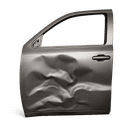
Physical Damage
Can help pay to repair or replace your own truck after an accident, fire, theft, or vandalism.
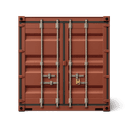
Cargo Coverage
May pay for damage to or theft of the freight you are hauling while it is in your care.
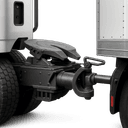
Trailer Interchange
Can help cover damage to trailers you haul under an interchange agreement but do not own.
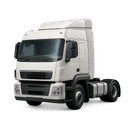
Bobtail Coverage
May provide liability protection when you drive your tractor without a trailer attached, such as after dropping off a load.

Non-Trucking Liability
Can help cover accidents that happen when you use your truck for personal errands rather than dispatched work.
Commercial Truck Insurance Cost in Billings
Average Cost in Montana
$410 - $1,000
per month
Businesses in Montana typically see commercial truck insurance premiums of $410 - $1,000 per month, which tends to run 8% below the national range of $400 - $1,125 per month.
- Radius of operation
- Commodities hauled and cargo value
- Number and value of power units
- Driver motor vehicle records and CDL experience
- DOT safety record, inspections, and FMCSA scores
- Liability limits and physical damage deductibles
Contact CPK Insurance for a personalized quote.
Prices shown are general estimates, not guaranteed rates or quotes. Your actual premium will depend on the insurer, coverage selected, business details, location, claims history, and other underwriting factors. Learn about our pricing methodology.
For Montana trucking risks, commercial truck insurance is usually quoted per truck per month. The broader product range sits at about $400 to $1,125 per truck per month, with many Montana risks falling within a typical monthly premium band. That puts Montana close to the national average overall, with a premium index of 98 versus a baseline of 100, so you should expect rates here to run roughly on par with most other states. A truck running regular freight through Helena, Missoula, Great Falls, and across long rural stretches may be priced differently than a truck staying on shorter local routes because mileage, route exposure, and weather risk all influence underwriting.
Several factors are specifically tied to pricing here. Coverage limits, deductibles, claims history, location, industry risk profile, and policy endorsements all play a role. Montana's climate and loss environment can also affect the quote, since the state has very high wildfire risk, high winter storm exposure, and moderate flooding and earthquake risk. Carriers may factor in how often your trucks operate in severe weather or remote areas. Montana sees a fatal crash rate of 1.92 versus a national average of 1.33, which means carriers view Montana roads as riskier than most and may price accordingly.
The state has a strong carrier market with several major national insurers, including Farmers and Mountain West Farm Bureau. That competition can help you compare options, but it does not remove the need to match limits to your freight and contract requirements. If you need truck liability, cargo insurance, or physical damage coverage, the premium may shift based on how much protection you choose and how your operation is structured.
Industries & Insurance Needs in Billings
Yellowstone County’s business mix changes the demand pattern for trucking coverage here. Construction accounts for 13.2% of county establishments, retail trade 11.6%, and health care and social assistance 10.3%, so many truck policies need to be reviewed around job-site access, delivery schedules, tools or materials carried on board, and time-sensitive service calls rather than only linehaul exposure. That matters because a contractor’s flatbed, a retail delivery box truck, and a service vehicle supporting medical or care operations can trigger very different questions about cargo, attached equipment, hired and non-owned auto, and downtime after a loss. If your book of business touches more than one of those sectors, ask for each vehicle to be classified by actual use, not just by business name. That is often where a local trucking account becomes easier to place and easier to compare.
What Makes Billings Different
Concentration is what changes the calculus here. In a market anchored by one county business hub, many trucking risks are built around frequent commercial stops, mixed-use vehicles, and short-radius work that still creates meaningful accident and property exposure. That means the key issue is not simply whether you drive far, it is how often your trucks enter lots, alleys, loading areas, and customer premises in a normal week. A policy review should focus on where units are garaged, whether drivers switch between vehicles, what is permanently attached to the truck, and whether the same unit handles deliveries one day and job-site support the next. If your operation has grown from one truck to several, this is also the point to check whether your schedule, driver list, and stated business use still line up. Small mismatches there can complicate claims and make quote comparisons less useful.
Our Recommendation for Billings
Start with a vehicle-by-vehicle worksheet before you shop. List each truck’s radius, cargo or materials carried, attached equipment, usual parking location, and whether it goes to construction sites, retail docks, or service calls. Then ask for liability, physical damage, and any cargo-related options to be reviewed by unit instead of assuming every truck needs the same structure. If you serve household-facing customers, it is also worth checking whether your limits fit the kind of property damage claim that can happen during backing, loading, or on-site work. Billings households report a median household income of $71,855, so a claim can involve driveways, fences, garages, or other property where repair expectations are not trivial. If you use personal vehicles for errands or supervisors move between sites, ask whether hired and non-owned auto should be considered. The goal is a quote that matches your actual dispatch pattern, not a generic trucking template.
Get Commercial Truck Insurance in Billings
Enter your ZIP code to compare commercial truck insurance rates from carriers in Billings, MT.
Business insurance starting at $25/mo
FAQ
Frequently Asked Questions
Billings trucking accounts often need closer review of stop frequency, backing exposure, and customer-site access. Yellowstone County has 5,935 business establishments, so many local trucks make repeated commercial stops that should be reflected in vehicle use, radius, and liability discussions.
Billings area fleets serve different county sectors, and that changes exposure. In Yellowstone County, construction is 13.2% of establishments and retail trade is 11.6%, so one truck may face job-site equipment issues while another is built around delivery and loading claims.
Billings operations often mix vehicle types, and insurers usually want each unit described by actual use. A service truck carrying tools to appointments creates a different underwriting picture than a freight unit making scheduled pickups and deliveries.
Yellowstone County buyers should prepare a unit list with garaging, driver assignments, operating radius, and what each truck carries. That makes it easier to separate local service vehicles from heavier commercial units and compare quotes on a like-for-like basis.
Billings property damage limits deserve a practical review if your trucks enter residential areas or customer premises. The city’s median household income is $71,855, so repair expectations for driveways, structures, and other property can justify a closer look at limits.
In Montana, the policy can be built around motor carrier liability, physical damage, cargo coverage, trailer interchange, bobtail coverage, and non-trucking liability, depending on how you use the truck and trailer.
Montana commercial auto minimums are listed at $25,000/$50,000/$15,000, and the state is regulated by the state insurance commissioner, but your actual trucking limits may need to be higher because of freight contracts or federal trucking rules.
The typical range for the state is about $410 to $1,000 per month per truck, with price affected by limits, deductibles, claims history, location, industry risk, and endorsements.
Sources
- 1.U.S. Census Bureau, County Business Patterns, Yellowstone County(Yellowstone County has 5,935 business establishments, so many trucking accounts are not just about highway mileage, they are about repeated pickups, deliveries, backing, loading, and customer-site access across a busy commercial footprint.; Construction accounts for 13.2% of county establishments, retail trade 11.6%, and health care and social assistance 10.3%, so many truck policies need to be reviewed around job-site access, delivery schedules, tools or materials carried on board, and time-sensitive service calls rather than only linehaul exposure.)
- 2.U.S. Census Bureau, ACS 5-Year Estimates, table B19013(Billings households report a median household income of $71,855, so a claim can involve driveways, fences, garages, or other property where repair expectations are not trivial.)
Updated July 5, 2026





