Updated July 16, 2026

Dealer Open Lot Insurance in Billings
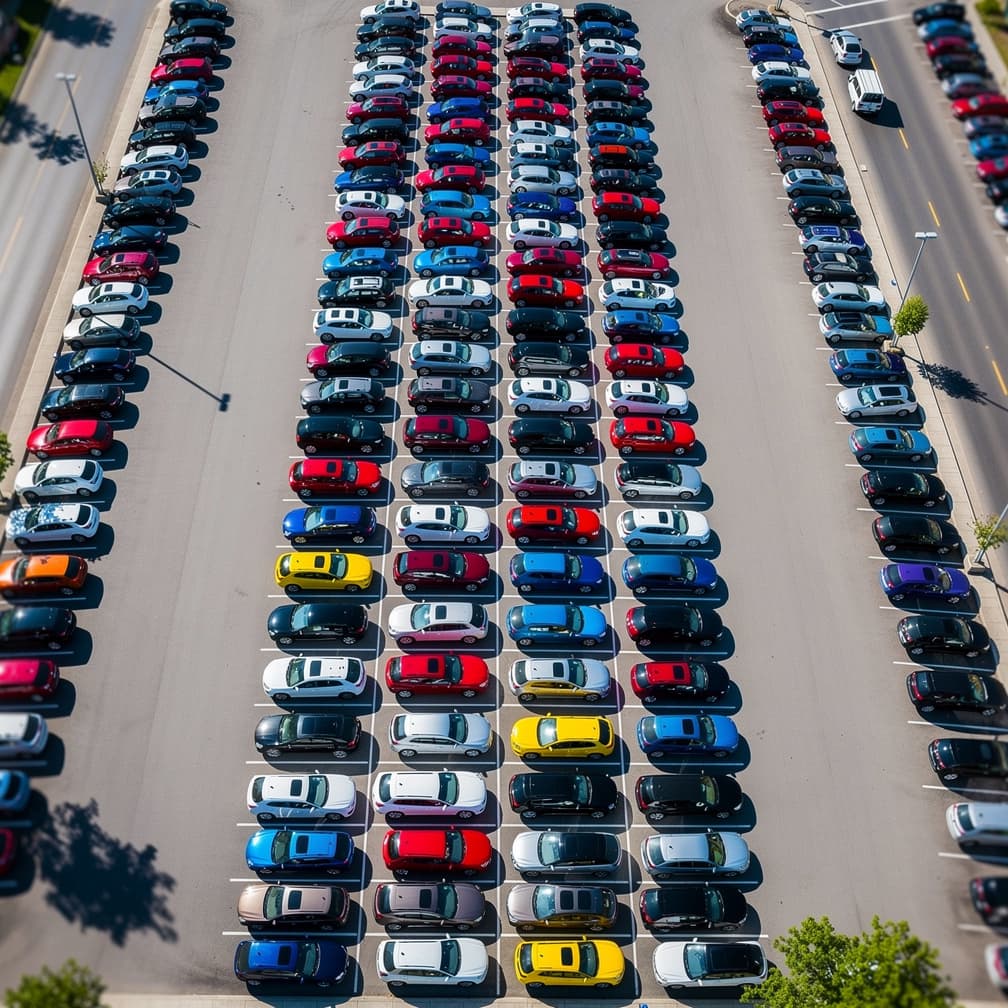
Yes, dealer open lot insurance in Billings can warrant a different quote approach than you would see elsewhere in Montana. The local buying market and the county's business density can change how fast inventory turns, where units are displayed, and how often vehicles move between your main lot and overflow space. A quote review here should start with your actual sales pattern, not a generic dealer class code. Billings households report median income of $71,855, which means a typical local buyer may finance a newer vehicle or pay cash for an older one, and that split can shift which units on your lot carry the most risk at any given time. Yellowstone County also has 5,935 business establishments, which means roughly one in twelve county workers needs a vehicle for commercial use, and that demand can keep vans and trucks turning over before they sit long on your lot. When inventory turns faster, you may need to update unit values more frequently, tighten key control, and document temporary storage more carefully. Before you request terms, pull together a current inventory list, your highest-value units, overnight parking locations, and a sense of how often vehicles move through recon or overflow.
Dealer Open Lot Insurance Risk Factors in Billings
Billings's top risk factors include Wildfire risk, Drought conditions, Power shutoffs, and Air quality events.
Montana has a moderate climate risk rating. Top hazards: Wildfire (Very High), Winter Storm (High), Earthquake (Moderate), Flooding (Moderate). The state's expected annual loss from natural hazards is $280M, which influences dealer open lot insurance premiums and may affect coverage availability in high-risk areas.
What Dealer Open Lot Insurance Covers
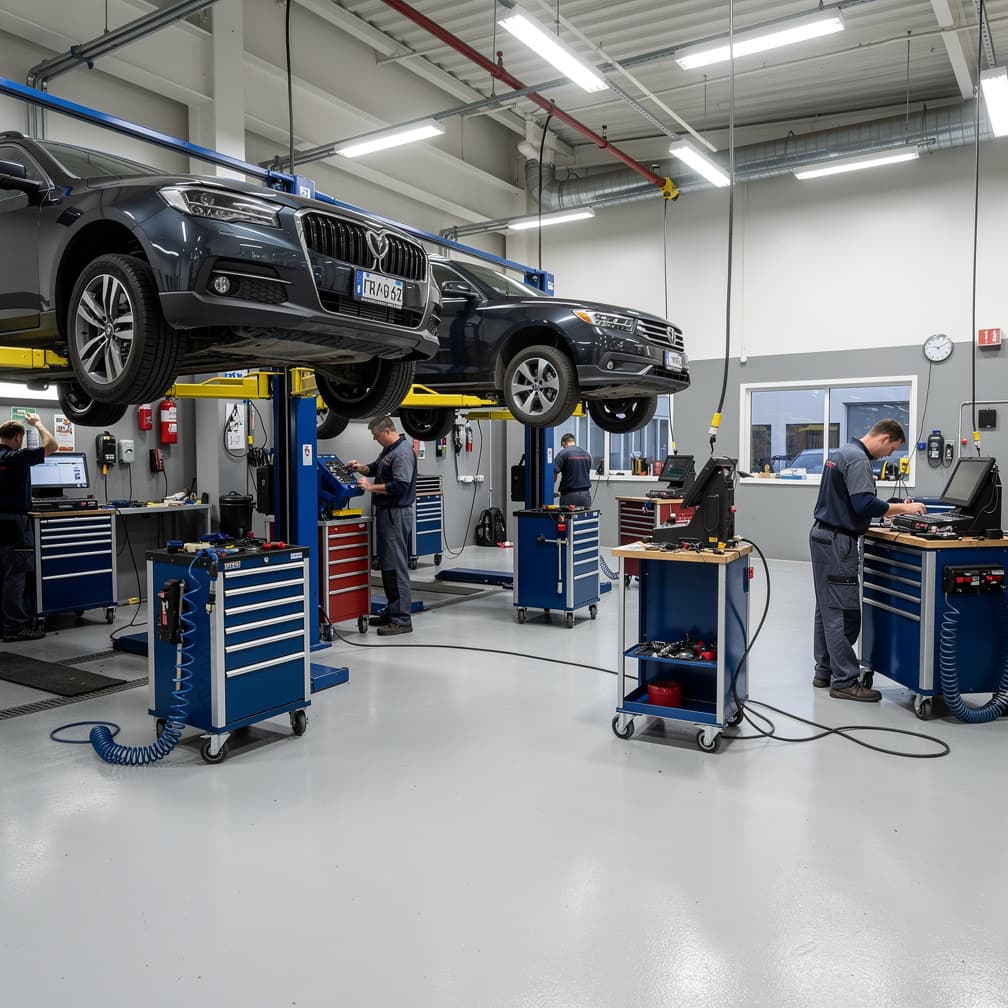
A paved town lot with lighting, fencing, and daily staff presence presents one profile. A gravel overflow yard outside the main dealership, or a seasonal storage area used when inventory stacks up, presents another. If your operation uses more than one location, ask the agent to review each address separately so there is no confusion about where covered units are kept and whether temporary storage is contemplated by the policy terms.
Montana conditions also make weather wording worth a close read. Snow load, wind, hail, wildfire conditions, and smoke-related disruption can affect how inventory is stored, moved, and inspected after an event. Ask specifically how losses are adjusted when multiple vehicles are damaged in one occurrence and what documentation helps support values at the time of loss. A current inventory schedule, dated lot photos, and consistent reconditioning records can make that review cleaner.
Many Montana dealers shift units between lots, send vehicles to body shops or detail vendors, or stage inventory away from the main lot during busy periods. Those routine handling steps are where misunderstandings can start if your policy assumptions do not match your operations. Ask specifically about dealer plate use, employee movement of units, temporary off-premises storage, and test-drive procedures. If you sell trucks, trailers, powersports units, or mixed inventory, separate those categories before quoting so limits and terms can be reviewed against the way each group is stored and shown to buyers.
Coverage Included

Weather Damage
Covers hail, wind, flood, and storm damage to lot inventory.
Theft Protection
Covers vehicles stolen from your lot.
Fire Damage
Covers fire and explosion damage to inventory vehicles.

Vandalism
Covers intentional damage to vehicles on your lot.
Test Drive Coverage
Covers vehicles during customer and employee test drives.
Transit Coverage
Covers vehicles being moved between lot locations.
Industries & Insurance Needs in Billings
Yellowstone County's business mix helps explain why some local dealers need a closer look at inventory type, not just inventory count. County Business Patterns shows construction at 13.2% of establishments, retail trade at 11.6%, and health care and social assistance at 10.3%. So a dealership here may see meaningful demand for work pickups, small fleet units, service vans, and practical commuter vehicles rather than a narrow passenger-only mix. That matters for dealer open lot placement because vehicle class, replacement value, and turnover pace can shift across the year as business buyers and household buyers shop differently. A lot carrying more commercial-oriented stock should make sure the schedule, values, and any offsite storage used for overflow or prep work are described clearly. If your inventory serves both household and business demand, ask the quote reviewer to evaluate whether your current limit still fits your highest total lot value during busy buying periods.
What Affects Dealer Open Lot Rates in Billings
Local cost pressure comes less from a city label and more from how this market can shape your inventory and operations. Household buying power here can support a broader spread between entry-level used units and higher-value financed inventory. That can affect how you set reporting values and whether blanket limits still fit your lot after a buying push. Yellowstone County has 5,935 business establishments, so dealers that sell into commercial accounts may keep more pickups, cargo vans, or work vehicles on hand, sometimes with faster replacement cycles and more frequent movement between display, service, and overflow areas. Those details can influence how an underwriter views concentration of value and storage discipline. If your mix changes with local demand, ask for a quote review that matches current unit values, peak inventory counts, and every overnight location instead of relying on last renewal's assumptions.
What Makes Billings Different
Around Billings, the county's business base and its strong construction and retail presence can push more demand for pickups, vans, and practical work vehicles that move quickly and may be staged differently from a passenger-car-heavy lot. In many markets, a review can focus mostly on unit count and weather exposure, but here the conversation shifts toward inventory composition, turnover speed, and where units sit between acquisition, recon, display, and delivery. If your stock regularly shifts to match contractor, retail, or service-business demand, your policy review should test whether values are updated often enough and whether every storage location is disclosed.
Our Recommendation for Billings
For a local dealer, the useful review usually starts with an inventory map rather than a declarations page. That map can show whether your highest-value units are clustered in one area, whether overflow parking is used during buying spikes, and whether your key control process matches the pace of test drives and vehicle transfers. If you sell a noticeable share of work trucks or vans, ask whether your current valuation method still fits today's mix instead of assuming last year's average unit value is close enough. When household and commercial demand pull your inventory in different directions, review peak lot values by month and identify the weeks when concentration is highest. It is also worth confirming how reconditioned units, recently acquired vehicles, and units awaiting delivery are handled at each location. If a quote comparison is on your list, send the carrier a current inventory snapshot, all overnight addresses, and a short description of how vehicles move between display, service, and overflow so the terms are built around real operations.
Get Dealer Open Lot Insurance in Billings
Enter your ZIP code to compare dealer open lot insurance rates from carriers in Billings, MT.
Business insurance starting at $25/mo
FAQ
Frequently Asked Questions
Billings dealers often serve both household buyers and business buyers, so inventory mix matters. Yellowstone County has 5,935 business establishments, which means commercial demand for pickups and vans can keep your work-vehicle inventory turning over faster than a typical passenger-car lot.
Billings household income can shape what buyers shop for and finance. Local buying power may push your lot toward a wider spread of unit values, so reported inventory values should be reviewed before renewal or expansion.
Yellowstone County's business mix matters because construction is 13.2%, retail trade 11.6%, and health care and social assistance 10.3% of establishments. That means more than a third of county businesses are in sectors that typically buy or rely on trucks and vans, which can shift your inventory composition and peak lot value.
Billings dealers should prepare a current inventory list, highest unit values, every overnight storage address, and a short explanation of how vehicles move between display, recon, and overflow. Having those details ready lets the reviewer test whether current limits still fit your actual operations.
Billings dealers with a policy dispute or regulatory question can look to the Montana Commissioner of Securities and Insurance. Use that step for complaint handling or compliance questions, while your quote review should stay focused on inventory, values, and storage details.
Montana dealers should disclose every place sale inventory is stored, including overflow and temporary yards. That gives the underwriter a fair picture of your exposure and reduces the chance that an off-premises loss turns into a coverage dispute.
Montana weather can change how underwriters view concentrated inventory loss, especially if vehicles sit outdoors across more than one location. Your quote is usually stronger when you show where units are parked, how they are spaced, and how you document conditions before storms.
Montana insurance is regulated by the Montana Commissioner of Securities and Insurance. That office reviews policy forms, handles consumer complaints, and oversees licensing for agents and carriers operating in the state. If you are comparing forms or have a policy complaint question, that is the state regulator tied to insurance oversight in Montana.
Sources
- 1.U.S. Census Bureau, ACS 5-Year Estimates, table B19013(Billings households report median income of $71,855, so your mix may lean differently on older cash vehicles, late model financed units, or work-ready pickups that attract a different theft, damage, and test-drive profile.)
- 2.U.S. Census Bureau, County Business Patterns, Yellowstone County(Yellowstone County also has 5,935 business establishments, so commercial buyers, contractors, and service firms can create steady demand for vans and trucks that do not sit long before delivery.; County Business Patterns shows construction at 13.2% of establishments, retail trade at 11.6%, and health care and social assistance at 10.3%.)
- 3.Montana Commissioner of Securities and Insurance(Billings dealers with a policy dispute or regulatory question can look to the Montana Commissioner of Securities and Insurance.)
Updated July 16, 2026