
Updated July 16, 2026

Homeowners Insurance in Billings
A wind-driven storm pushes water under older roof flashing, then a hard freeze turns a small leak into stained ceilings, damaged insulation, and a claim that is suddenly much larger than expected. That is the practical reason to review homeowners insurance in Billings with the house you actually own in mind. Here, the buying decision often turns less on broad Montana hazards and more on replacement details inside the city housing stock and the value tied up in the property itself. With a median home value of $311,800, underestimating dwelling coverage can leave a meaningful gap if you need to rebuild or repair after a serious loss. Your quote should start with current replacement assumptions, not just the purchase price or an old declarations page. If your household budget is built around the local median household income, deductible choices also deserve a closer look, because a lower premium can still create strain if the out-of-pocket amount is hard to absorb after a winter loss.
Montana has a moderate climate risk rating. Top hazards: Wildfire (Very High), Winter Storm (High), Earthquake (Moderate), Flooding (Moderate). The state's expected annual loss from natural hazards is $280M, which influences homeowners insurance premiums and may affect coverage availability in high-risk areas.
What Homeowners Insurance Covers
In Montana, homeowners insurance is built around core protections, but the way you size them should reflect local rebuilding costs, weather exposure, and the exclusions that matter most here. Dwelling coverage should be set to the cost to rebuild, not the market value, because the state's average dwelling coverage is about $305,600 while the median home value is $382,000. The gap matters because your policy pays to rebuild the structure, not to buy the home again, so setting coverage to market value can leave you short on construction funds after a total loss. Other structures coverage can matter if you have a detached garage, fence, or shed that may be exposed to wind or wildfire damage. Personal property coverage can help protect belongings inside the home, and a practical starting point often tracks a percentage of dwelling coverage rather than the home's sale price. Liability coverage can help if someone is injured on your property, and medical payments coverage can help with smaller injury claims without a liability dispute.
Montana policyholders should also pay close attention to exclusions and add-ons. Standard policies here do not cover flood damage, so homes affected by the state's history of flash flooding and mudslides need a separate flood policy if that exposure is a concern. Earthquake coverage also requires a separate policy or endorsement. Additional living expenses coverage can be important after a wildfire, severe winter storm, or other covered home damage if repairs force you out of the home. Because wildfire risk is rated very high and winter storm risk is high, endorsements that improve debris removal or replacement cost protection may be worth discussing with an agent, especially in rural areas where rebuild logistics can be slower.
Coverage Included
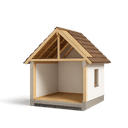
Dwelling
Repairs or rebuilds your home itself, the walls, roof, floors, built-in appliances, and attached structures like a garage, after a covered loss. Set this limit to the full cost of rebuilding, not market value.
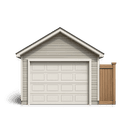
Other Structures
Detached structures on your property, such as a fence, shed, detached garage, or gazebo. Usually set at about 10 percent of your dwelling limit [2].

Personal Property
Your belongings, furniture, clothing, electronics, and appliances, generally written at 50 to 70 percent of your dwelling limit [2]. High-value items like jewelry and art carry special limits.

Additional Living Expenses
Also called loss of use. Pays your added living costs, hotel stays, meals, and a temporary rental, while a covered loss makes your home uninhabitable. Usually set at about 20 percent of your dwelling limit.

Liability
Covers you if someone is injured on your property, or you damage someone else's property, and you are found responsible. The standard $100,000 limit [2] is often raised to $300,000 or $500,000.

Medical Payments
Pays small medical bills, commonly $1,000 to $5,000, if a guest is hurt at your home regardless of fault, without a formal liability claim.
Homeowners Insurance Cost in Billings
Average Cost in Montana
$95 - $230
per month
In Montana, homeowners insurance premiums typically run $95 - $230 per month, which tends to run 10% below the national range of $110 - $250 per month.
- Home replacement cost, age, and construction type
- Roof age, material, and condition
- ZIP code and local weather risk (wind, hail, wildfire, hurricane)
- Coverage limits and endorsements
- All-peril and percentage wind/hail deductibles
- Claims history and insurance score where allowed
Typical range for many standard homeowners profiles; lower-risk homes fall below it and coastal, wildfire, or older-roof homes can run well above. Final pricing depends on property details, location, underwriting, and selected coverage.
Prices shown are general estimates, not guaranteed rates or quotes. Your actual premium will depend on the insurer, coverage selected, personal details, location, claims history, and other underwriting factors. Learn about our pricing methodology.
Many shoppers see monthly premiums from $95 to $230 depending on coverage choices, deductibles, and home characteristics. Montana's premium index of 98 means carriers price the state about two percent below the national baseline, so your starting point is roughly average before local risk factors push the final number up or down.
Several local factors push a quote up or down. The state's very high wildfire rating can influence underwriting, especially for homes near wooded areas or with limited defensible space. Winter storm exposure can matter for roof condition, ice-related damage risk, and replacement labor demand. Flooding is a moderate hazard in Montana, but because standard policies exclude flood damage, the cost picture may change if you add separate flood protection. Montana's reconstruction cost index of 102 means local labor and materials run about two percent above the national baseline, which raises the dwelling limit you need and the premium you pay to fund it. Proximity to fire stations and hydrants can affect pricing, and local crime rates can influence theft-related risk.
What Affects Homeowners Insurance Rates in Billings
The cost conversation is not just about premium, it is about how a claim gets funded when something goes wrong. That matters when you choose a deductible. A higher deductible can reduce the monthly bill, but it also means more cash due at the worst time, often while you are arranging emergency repairs or temporary living expenses. The useful comparison is not only annual premium. It is premium against deductible, loss settlement terms, and whether key endorsements are included or optional. If your budget is tight, ask for side by side quotes with more than one deductible and note what changes besides price. That gives you a clearer view of which option is manageable after a real loss, instead of choosing the lowest premium and discovering the tradeoff only after damage occurs.
What Makes Billings Different
What changes the calculus here is how much property value and repair cost exposure sits on the lot. In Billings, the main risk for many owners is not simply having a policy in force but carrying limits and terms that are too thin for what the property actually represents. Roof damage can lead to interior water loss, a frozen pipe may affect multiple rooms, and a detached structure loss can run into a low other structures limit. Review dwelling coverage, other structures, personal property, and loss of use together so a gap in one area does not undermine the others when you file. If you have renovated kitchens, finished lower levels, or added outbuildings, ask for those details to be reflected before renewal rather than after a loss.
Our Recommendation for Billings
Start with the declarations page and verify the parts most likely to drift out of date. Pay close attention to the dwelling limit, roof loss settlement, and deductible, along with any water-related exclusions or endorsements that may apply. If your home has been updated, gather the year of the roof, electrical panel details, plumbing material, heating type, and any remodel invoices before you request quotes. Fresh details help the underwriter price your policy on what the home actually is today, not what it was years ago. If you are buying, do not rely on the seller's old coverage choices or the home's market price as your benchmark. Use the quote process to test whether replacement assumptions look reasonable for the square footage and finish level. If you own a detached shop, rental unit, or frequently used outbuilding, ask specifically how it is scheduled or limited. Before you bind, compare at least two deductible options and confirm whether the policy terms fit how much cash you could realistically handle after a winter or water loss.
Get Homeowners Insurance in Billings
Enter your ZIP code to compare homeowners insurance rates from carriers in Billings, MT.
Home insurance starting at $50/mo
FAQ
Frequently Asked Questions
Billings buyers should start with rebuild cost, not market value alone. With a median home value of $311,800, it is easy to anchor on sale price. Your dwelling limit should be reviewed against square footage, materials, and updates to reflect what rebuilding actually costs today.
Billings households often feel the deductible decision in real cash flow terms. A lower premium can still be a poor fit if the out-of-pocket amount would be hard to handle after a covered loss. Compare deductible options before you bind so the policy matches your actual financial cushion.
Billings quote requests go more smoothly when you have key property facts ready, including roof age, exterior materials, and the status of major systems like heating, plumbing, and electrical. Those facts help the policy reflect the home you own rather than a generic profile that understates your property.
Yellowstone County has 5,935 business establishments, with construction at 13.2 percent, retail trade at 11.6 percent, and health care at 10.3 percent. That concentration means contractor availability and repair timelines are worth discussing when you review claim settlement expectations and rebuild assumptions for your policy.
In Montana, a standard policy typically includes dwelling, personal property, liability, additional living expenses, other structures, and medical payments, but the exact inclusions and exclusions vary by carrier and form. Wildfire and winter storm losses are especially important to review in this state.
Monthly costs vary based on the home, coverage choices, deductible, claims history, and location. Homes near higher wildfire exposure or with more expensive rebuild costs can land toward the higher end of the range.
Most mortgage lenders require proof of homeowners insurance before closing or refinancing, even though Montana does not legally require every homeowner to carry it. Lenders usually want enough dwelling coverage to protect the loaned property and may ask for evidence of that coverage before funding.
You are not legally required to carry it if the home is paid off, but many Montana owners still keep coverage because wildfire, winter storm, theft, and liability losses can be expensive to handle without insurance.
Sources
- 1.U.S. Census Bureau, ACS 5-Year Estimates, table B25077(Billings has a median home value of $311,800, so underestimating dwelling coverage can leave a meaningful gap if you need to rebuild or repair after a serious loss.)
- 2.U.S. Census Bureau, County Business Patterns, Yellowstone County(Yellowstone County has 5,935 business establishments, with construction at 13.2%, retail trade at 11.6%, and health care and social assistance at 10.3%.)
Updated July 16, 2026