







































Updated July 16, 2026

Inland Marine Insurance in Billings
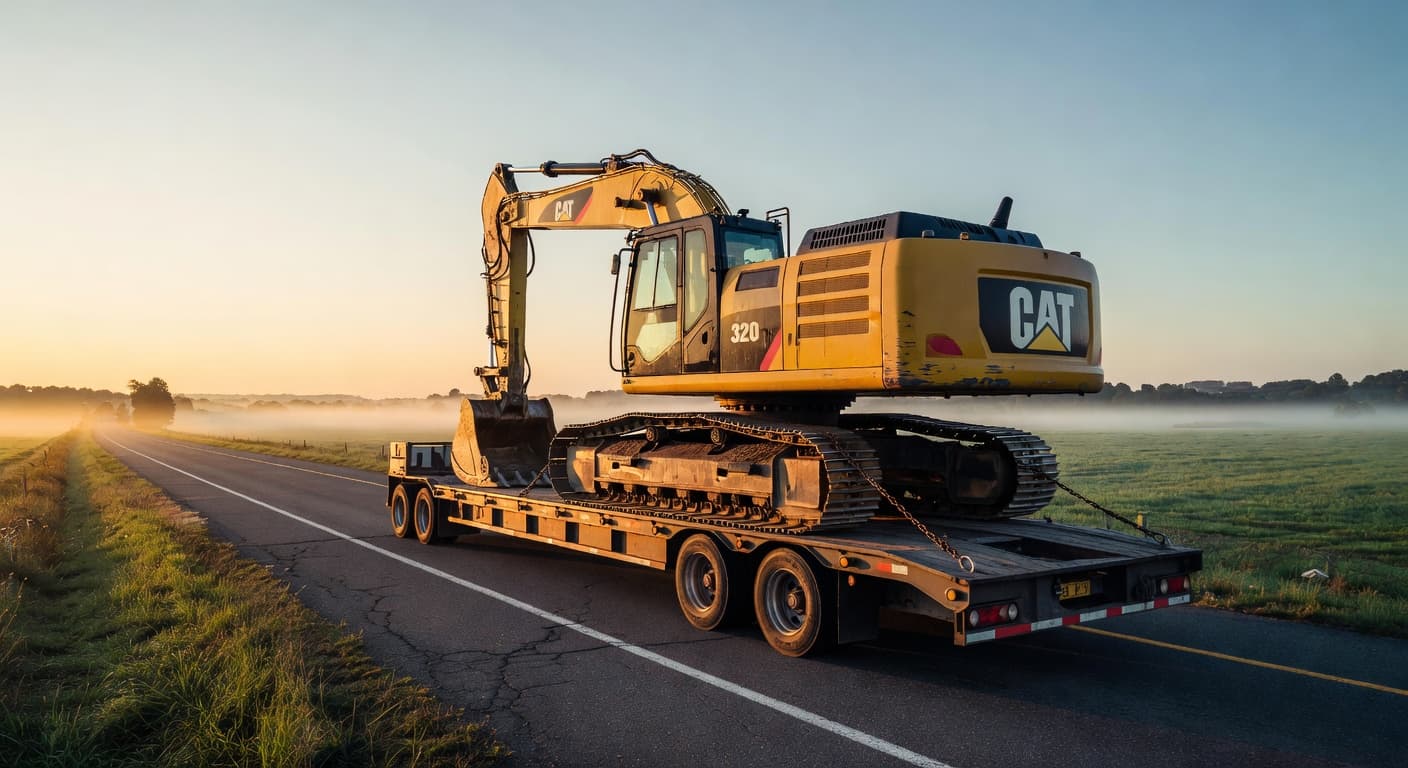
You may keep tools in a west-end shop, stage materials at a customer site for several days, then send a pickup across town with equipment that never returns to the same address by nightfall. Buyers here often need the schedule to match how property actually moves. Contractor tools travel between remodels, retail inventory heads to events or short-term storage, and diagnostic equipment rides along with staff. Yellowstone County has 5,935 business establishments, so landlords, general contractors, and commercial customers frequently ask for your certificate before you start work. In practice, that many parties reviewing your paperwork means descriptions of mobile, borrowed, rented, or off-site property need to be airtight. If your operation serves customers from a fixed storefront but earns revenue with property off premises, ask whether your limit is item-specific, blanket, or tied to classes of equipment.
Inland Marine Insurance Risk Factors in Billings
Billings's top risk factors include Wildfire risk, Drought conditions, Power shutoffs, and Air quality events.
Montana has a moderate climate risk rating. Top hazards: Wildfire (Very High), Winter Storm (High), Earthquake (Moderate), Flooding (Moderate). The state's expected annual loss from natural hazards is $280M, which influences inland marine insurance premiums and may affect coverage availability in high-risk areas.
What Inland Marine Insurance Covers
In Montana, inland marine insurance is the part of a commercial insurance program that can follow covered business property beyond a fixed storefront, warehouse, or office. It is built for tools, equipment, materials, and goods moving between job sites, sitting in temporary storage, or being used at customer locations. The core coverages in this product include tools and equipment, goods in transit, contractors equipment, installation floater coverage, and builders risk coverage. For Montana businesses, that matters because work often spans rural routes, mountain weather, and changing job-site conditions rather than one permanent location.
Montana does not publish a separate statewide inland marine mandate, but your coverage needs can differ depending on your industry and business size. That means your policy structure should match the way your property actually moves. The Montana Commissioner of Securities and Insurance regulates the market, so policy wording, endorsements, and carrier forms should be reviewed carefully before binding. A commercial property policy can help protect items at a fixed location, while inland marine insurance is meant to address the gap for mobile business property. That can be especially important for property stored offsite, staged at a build site, or transported through areas where wildfire smoke, winter storms, or burglary risk may affect exposure.
Because this coverage is location-sensitive, endorsements and limits should be aligned to the counties, job sites, and storage patterns your business uses most often. If your equipment spends time in major cities or remote work zones, the policy should reflect those actual travel and storage patterns rather than a generic national setup.
Coverage Included
Tools & Equipment
Can help repair or replace hand tools, power tools, and gear that are stolen or damaged on the job or in transit.
Goods in Transit
May cover products, materials, and merchandise while they are being shipped or hauled between locations in your care.
Contractors Equipment
Typically covers heavy machinery like excavators, loaders, and generators against theft or damage at job sites and between them.
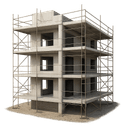
Installation Floater
Can help cover materials and fixtures from the moment you buy them until they are installed and accepted at a project.
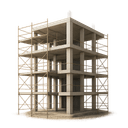
Builders Risk
May cover a structure under construction, along with materials on site, against damage from fire, wind, theft, and vandalism.
Inland Marine Insurance Cost in Billings
Average Cost in Montana
$25 - $110
per month
Businesses in Montana typically see inland marine insurance premiums of $25 - $110 per month, which tends to run 13% above the national range of $20 - $100 per month.
- Total insured value of the scheduled property
- Type and age of the equipment
- Where it is stored and how far it travels
- Jobsite security and theft prevention
- Per-item limits and deductibles
- Prior theft and in-transit losses
Contact CPK Insurance for a personalized quote.
Prices shown are general estimates, not guaranteed rates or quotes. Your actual premium will depend on the insurer, coverage selected, business details, location, claims history, and other underwriting factors. Learn about our pricing methodology.
The average premium range for inland marine insurance in Montana is $25 to $110 per month. Broader small-business figures show a typical range of $20 to $100 per month, and that difference suggests pricing can vary by carrier, class of business, and the exact property schedule you insure. As noted earlier, the state's premium index of 98 means rates generally run about two percent below the national average. Your final cost still depends heavily on the value of tools, equipment, and goods moving through your operation.
Several local factors can move pricing up or down. Coverage limits and deductibles are major drivers, especially if you insure high-value contractors equipment or schedule expensive portable items. Claims history also matters, and so does location, which is important in a state with wildfire rated very high, winter storm rated high, and moderate flooding and earthquake exposure. A business operating in areas with more property crime pressure or more frequent weather disruptions may see different pricing than a business with limited movement and secure storage. Industry or risk profile also plays a role. Montana's construction sector, agriculture sector, and small-business-heavy market can create very different risk patterns from one account to the next.
Montana has 38,600 businesses, and 99.2% are small businesses. In plain terms, that means most buyers are looking for practical protection for a limited number of tools, trailers, or materials rather than large national schedules. Carriers are often pricing focused, specialized schedules rather than broad corporate portfolios. The final premium still varies by endorsements, deductible choice, and how much goods in transit coverage you need. Carriers will usually price the actual property list and where it is used, stored, and transported.
Industries & Insurance Needs in Billings
Yellowstone County's business mix is the part that changes demand here. Construction accounts for 13.2% of establishments, retail trade 11.6%, and health care and social assistance 10.3%, so a local inland marine review often starts with property that leaves the main premises as part of normal operations, not as an exception. For contractors, that can mean tools, small equipment, and materials staged between jobs. For retailers, it may mean inventory moving to pop-ups, fairs, deliveries, or temporary storage. For health-related operations, it can involve portable diagnostic, treatment, or service equipment used away from the primary address. The point is not the industry label alone. It is whether revenue depends on property in transit, at customer locations, or at temporary sites. If that describes your operation, ask for wording that matches how items are scheduled, valued, and documented so a claim does not turn on where the property happened to be that day.
What Makes Billings Different
Many businesses are not shipping freight long distance every day, but they are constantly moving property between a shop, a vehicle, a customer location, and a short-term work site. A policy built around a single street address leaves real exposure unaddressed when your highest-value items spend their week elsewhere. Billings median household income is $71,855, and that earning level fuels consistent demand for trades, delivery-based retailers, and mobile service providers. More appointments mean more equipment on the road and more property left off-site during the workweek. The real question is whether your income depends on property that travels. Review where your highest-value items spend time, who has custody of them, and whether your policy description follows those real movements instead of a single street address.
Our Recommendation for Billings
Start with a property map, not a generic application. List the tools, equipment, materials, or inventory that leave your main location, then separate owned items from rented, leased, borrowed, or customer property in your care. When you work from vehicles, ask how theft from a vehicle, overnight storage, and unattended equipment are handled under the policy terms. When you stage materials or equipment at customer locations, confirm whether those sites are described clearly enough for your normal workflow. If your operation has grown, review limits against your current largest single item and your total value in transit on a busy day, not last year's average. You can also ask whether a scheduled approach or a broader blanket structure fits better, depending on how often your equipment list changes. Bring your current inventory, recent job patterns, and any subcontracted or rented equipment arrangements to the quote review so the policy can be matched to how you actually operate.
Get Inland Marine Insurance in Billings
Enter your ZIP code to compare inland marine insurance rates from carriers in Billings, MT.
Business insurance starting at $25/mo
FAQ
Frequently Asked Questions
Billings businesses often do if valuable property regularly leaves the insured premises. A standard property setup may be centered on one address, while inland marine coverage is reviewed for tools, equipment, materials, or inventory that travel or sit at off-site locations.
Start with high-value tools, small equipment, and materials that move between jobs. Include owned, rented, and borrowed items, plus anything left overnight in vehicles or at a site, so the quote reflects real custody and location patterns.
Yellowstone County has strong shares in construction, retail trade, and health care and social assistance. Those sectors routinely put equipment, materials, and inventory in transit or at off-site locations, so ask how valuation and scheduling rules apply before binding coverage.
If inventory, displays, or service equipment move to events, customer sites, or short-term storage, ask how those locations are described and whether limits fit your busiest operating days. Retailers and service firms with that kind of movement should check whether their form addresses off-site property rather than assuming a standard policy handles it.
Bring a current equipment or inventory list, approximate values, where items travel during a normal week, and any rental or subcontract arrangements. The more specific you are about custody and movement, the more precisely your limits and policy structure can be matched to actual operations.
It may help cover mobile business property such as tools, equipment, materials, and goods while they are being transported, used at job sites, or stored temporarily in Montana. The exact covered items depend on the policy schedule and endorsements.
It is designed for property that is away from a fixed business location, so items kept at a build site, in temporary storage, or at a customer location can be included if the policy is written that way. The storage pattern should be disclosed to the carrier.
Contractors, installers, trades, and any business that moves valuable property between locations often need this coverage. Montana's small-business-heavy market means many buyers use it to protect portable tools, materials, and equipment.
Sources
- 1.U.S. Census Bureau, County Business Patterns, Yellowstone County(Yellowstone County has 5,935 business establishments, so landlords, general contractors, and commercial customers often expect cleaner proof of coverage and clearer descriptions of what property is mobile, borrowed, rented, or left at a temporary location.; Construction accounts for 13.2% of establishments, retail trade 11.6%, and health care and social assistance 10.3%, so a local inland marine review often starts with property that leaves the main premises as part of normal operations, not as an exception.)
- 2.U.S. Census Bureau, ACS 5-Year Estimates, table B19013(Billings median household income is $71,855, so many households and commercial customers have the means to hire trades, delivery-based retailers, and mobile service providers, which can translate into more appointments, more equipment on the road, and more property left off-site during the workweek.)
Updated July 16, 2026





