







































Updated July 10, 2026

Concrete Contractor Insurance in Montana
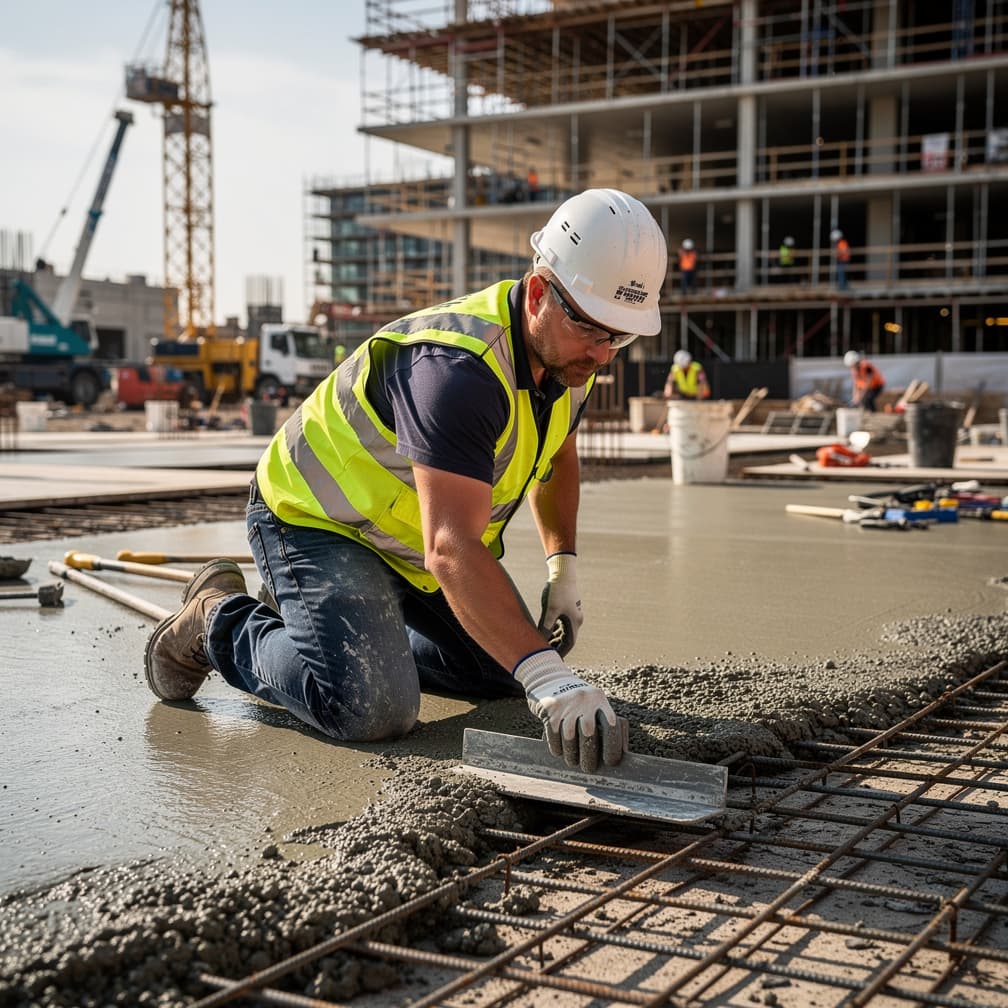
A concrete contractor in Montana has to plan for more than the pour itself. Cold snaps, wildfire season, rural travel, and changing jobsite rules can all affect how a crew works, how long a project stays exposed, and what kind of claim can follow. That is why a concrete contractor insurance quote in Montana should be built around the way you actually bid and build: driveways in subdivision cul-de-sacs, sidewalks near storefronts, slabs for outbuildings, and repair work on occupied properties. The right policy discussion starts with who is on your crew, whether you haul tools and forms in your own trucks, and how often you work near customers, tenants, or other contractors. It also helps to know which jobs need proof of coverage before work starts, because local permit and jobsite requirements vary. If you do both residential and commercial concrete work, your quote should reflect the mix of projects, equipment, and site conditions you handle across Montana.
Climate Risk Profile
Natural Disaster Risk in Montana
Understanding climate-related risks helps determine appropriate insurance coverage levels.
Wildfire
Very High
Winter Storm
High
Earthquake
Moderate
Flooding
Moderate
Expected Annual Loss from Natural Hazards
$280M
estimated economic loss per year across Montana
Source: FEMA National Risk Index
Risk Factors for Concrete Contractor Businesses in Montana
- Montana wildfire exposure can interrupt concrete pours, damage stored forms, and create third-party claims if ash, smoke, or evacuation orders affect a jobsite.
- Montana winter storm conditions can make slabs, sidewalks, and driveways more slippery, increasing slip and fall and customer injury exposure during active work.
- Montana jobsite traffic and material handling can lead to bodily injury or property damage claims when crews move rebar, forms, mixers, and finishing equipment around residential and commercial sites.
- Montana wind, snow, and freeze-thaw cycles can affect freshly placed concrete and lead to third-party claims tied to repairs, rework, or site damage.
- Montana projects that span rural routes or multiple jobsites can increase vehicle accident exposure for trucks hauling tools, mobile property, and equipment in transit.
How Montana compares with the national baseline
Uninsured drivers
7.8% vs 11.6% baseline
About 7.8% of Montana drivers are estimated to be uninsured, below the 11.6% average across states.
Fatal crashes per 100 million miles
1.92 vs 1.33 baseline
Montana sees about 1.92 fatal crashes per 100 million miles driven, above the national average of 1.33.
Property crime per 100,000 residents
2,350 vs 2,200 baseline
Property crime in Montana runs above the national average, at 2,350 vs 2,200 incidents per 100,000 residents.
Blue bar: Montana. Gray line: national baseline.
How Much Does Concrete Contractor Insurance Cost in Montana?
Concrete Contractor Insurance is a bundle of separate policies, priced separately. The ranges below are typical figures for Montana for each line, except workers compensation, which is rated per $100 of payroll; a quote prices each one against your own operations.
| Coverage | Typical range | What moves your price |
|---|---|---|
| General Liability Insurance | $190 - $575 per month | Industry and risk classification, annual revenue, number of employees |
| Workers Compensation Insurance | $0.75 - $2.74 per $100 of payroll | Employee classification codes, total annual payroll, experience modification rate |
| Commercial Auto Insurance | $200 - $600 per month | Fleet size and vehicle types, driver records and experience, coverage limits and deductibles |
| Inland Marine Insurance | $50 - $190 per month | Total insured value of the scheduled property, type and age of the equipment, where it is stored and how far it travels |
| Commercial Umbrella Insurance | $80 - $270 per month | Umbrella limit requested, limits carried on the underlying policies, loss history on those underlying policies |
Prices shown are general estimates, not guaranteed rates or quotes. Your actual premium will depend on the insurer, coverage selected, business details, location, claims history, and other underwriting factors. Learn about our pricing methodology.
What Montana Requires for Concrete Contractor Insurance
Non-compliance can result in fines, loss of contracts, and personal liability:
- Workers' compensation is required in Montana for businesses with 1 or more employees, with exemptions for sole proprietors and working partners.
- Commercial auto minimum liability in Montana is $25,000/$50,000/$15,000, so business vehicles used for hauling crews, forms, or materials need to meet that standard.
- Montana businesses often need proof of general liability coverage for commercial leases, so contractors should be ready to provide a certificate of insurance.
- Coverage needs can vary by city permit and jobsite requirements, so contractors should confirm whether a general contractor or project owner asks for additional insured wording or specific limits.
- The Montana Commissioner of Securities and Insurance regulates the market, so policy forms, endorsements, and proof-of-coverage requests should be reviewed against current state rules.
| Requirement | What Montana law says |
|---|---|
| Auto liability minimums | $25,000/$50,000/$15,000 (bodily injury per person / per accident / property damage). These floors apply to personal and business vehicles alike; lenders and contracts often require more. |
| Workers compensation | Generally required once you have your first employee. Some roles are exempt, so confirm current thresholds before you hire. |
| Where to verify | Montana Commissioner of Securities and Insurance publishes current requirements, consumer guides, and license lookups. |
Get Your Concrete Contractor Insurance Quote in Montana
Compare rates from multiple carriers. Free quotes, no obligation.
Common Claims for Concrete Contractor Businesses in Montana
A homeowner steps onto a wet edge near a driveway pour in Helena and reports a slip and fall injury while the crew is still finishing the slab.
A truck hauling forms and finishing tools to a rural jobsite is involved in a vehicle accident, and the business needs coverage for the vehicle and the equipment in transit.
A winter storm slows a sidewalk repair project, and a visitor claims bodily injury after moving through an active work area with slick surfaces and open forms.
Preparing for Your Concrete Contractor Insurance Quote in Montana
A list of the concrete services you perform, such as pouring, forming, finishing, repair work, flatwork, and residential or commercial jobs.
Your crew count, payroll, and whether you have employees, working partners, or sole proprietor status for workers' compensation review.
A summary of vehicles, trailers, tools, mobile property, and contractors equipment you use to move between Montana jobsites.
Your preferred limits, deductible range, and any certificate of insurance or additional insured requirements from landlords, general contractors, or project owners.
What Happens Without Proper Coverage?
Concrete claims are not limited to dramatic jobsite accidents. A routine pour can still lead to a third party injury if someone walks through a work area or slips near a wet surface. Fresh concrete, forms, tools, and cleanup equipment can damage landscaping, fencing, siding, flooring, or vehicles near the job. If you cut or remove existing concrete, dust and debris can create additional complaints from owners, tenants, or neighboring businesses.
Completed work is another reason buyers take this coverage seriously. A customer may allege that a slab settled unevenly, a walkway created drainage issues, or a finished surface contributed to a trip hazard after the job was turned over. Even when you dispute the allegation, responding to the claim can take time, records, and legal support. That is why it helps to review completed operations exposure, not just active jobsite hazards, when you compare policies.
Insurance also affects whether you can win work. Homeowners may ask for proof of coverage before crews start. General contractors, property managers, and commercial clients often require specific liability limits, workers compensation evidence, and auto coverage before they let you on site. If your quote does not line up with those contract terms, you can lose the job or end up scrambling to change limits after the award.
Your vehicles and mobile equipment create a separate layer of risk. A pickup used to move crews and tools can be involved in an accident on the way to a pour. Saws, floats, screeds, compact tools, and other equipment may be stolen from a truck or disappear from a jobsite between workdays. Inland marine insurance is often part of the solution because the property you rely on does not stay in one place.
The practical reason to buy is simple: one claim can interrupt cash flow, delay a project, strain a customer relationship, or block future bids if you cannot produce the right proof of insurance. Review your job mix, contracts, payroll, vehicles, and equipment before requesting quotes, then compare how each policy addresses the way your concrete business actually operates.
Recommended Coverage for Concrete Contractor Businesses
Based on the risks and requirements above, concrete contractor businesses need these coverage types in Montana:

General Liability
Essential coverage for every business, protect against third-party bodily injury, property damage, and advertising claims.

Workers Compensation
Help cover your employees' medical expenses and lost wages for work-related injuries and illnesses.

Commercial Auto
Protect your business vehicles and drivers with comprehensive commercial auto coverage.

Inland Marine
Protect tools, equipment, and goods in transit or stored at locations away from your primary premises.

Commercial Umbrella
Extend your liability limits beyond your primary policies for extra protection against catastrophic claims.
Concrete Contractor Insurance by City in Montana
Insurance needs and pricing for concrete contractor businesses can vary across Montana. Find coverage information for your city:
Insurance Tips for Concrete Contractor Owners
Match your general liability limits to the largest jobs you bid, because contract requirements and completed work exposure can outgrow a basic policy quickly.
Separate employee payroll by actual duties whenever possible, since forming, finishing, driving, and office work can affect how workers compensation is reviewed and priced.
List every work vehicle and regular driver accurately, including pickups, vans, and trailers used to move tools or crews between active jobsites.
Schedule portable tools and mobile equipment under inland marine insurance if they travel daily or stay at jobsites overnight between pours and finishing work.
Review subcontractor agreements carefully, because a certificate of insurance alone may not address indemnity language or clarify who responds first after a claim.
Ask how completed operations claims are handled before you bind coverage, especially if your work includes slabs, sidewalks, driveways, repairs, or other finished surfaces customers use immediately.
Compare umbrella options when you move into larger commercial projects, since higher foot traffic and stricter contract language can increase the liability limits you need.
FAQ
Frequently Asked Questions About Concrete Contractor Insurance in Montana
It is usually built around general liability for bodily injury, property damage, slip and fall, and third-party claims, plus workers' compensation, commercial auto, and inland marine options for tools and equipment. Exact coverage varies by policy and project type.
The cost varies based on crew size, payroll, vehicles, job types, claims history, and limits. Your quote can move up or down with the work you do.
Many projects ask for proof of general liability coverage, and commercial leases may require it as well. Some jobs also request a certificate of insurance, additional insured wording, or specific coverage limits before work begins.
Yes. A quote can be tailored to coverage for residential and commercial jobs, but the mix of project types, equipment, and site exposure should be listed so the policy reflects your actual operations.
Workers' compensation is the main coverage to review for workplace injury when you have 1 or more employees, while inland marine can help with tools, mobile property, contractors equipment, and equipment in transit. The exact response depends on the policy terms.
Concrete contractors usually start with general liability insurance, then layer in workers compensation insurance, commercial auto insurance, inland marine insurance, and commercial umbrella insurance based on crew size, vehicles, tools, and contract requirements. The right mix depends on how your jobs are performed and where your equipment travels.
General liability for concrete contractors can include completed operations exposure, depending on your policy terms. That matters when a customer later alleges cracking, drainage issues, trip hazards, or property damage tied to a finished slab, sidewalk, driveway, or repair job.
A small concrete crew can still have meaningful injury exposure because the work involves lifting, cutting, finishing, uneven surfaces, and time sensitive pours. Workers compensation is worth reviewing as soon as employees are part of your operation or contracts require proof before work starts.
Updated March 31, 2026